Công ty Hải Đức Bột với hơn 10 năm kinh nghiệm vận chuyển khí, cung cấp hệ thống‑thiết bị‑quạt gió và nhận dự án tổng thầu bột cả nước
Shandong HeadPowder Engineering Co., Ltd., commonly known as HeadPowder, is a professional manufacturer specializing in powder processing equipment. With a focus on providing high-quality solutions for material handling, the company is headquartered in Shandong, China.
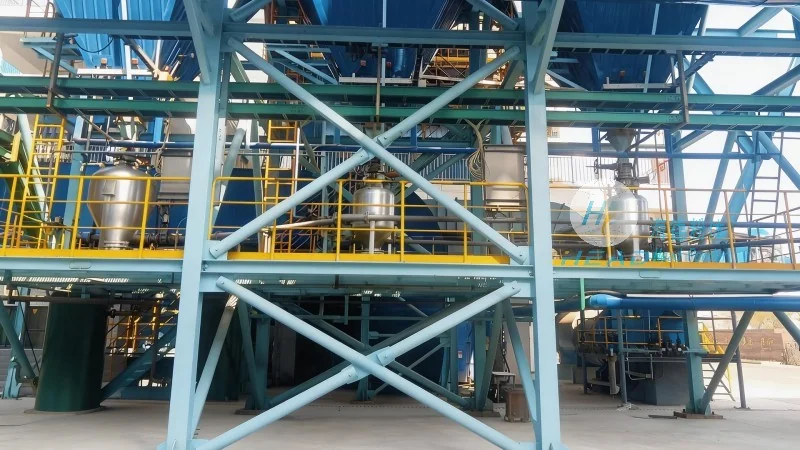
Introduction to Alumina Crystal Conveying
Alumina crystals are widely used in various industries, including ceramics, electronics, and chemical manufacturing. Efficient and reliable conveying methods are crucial for maintaining product quality and operational efficiency. This article provides a detailed comparison of common alumina crystal conveying methods, highlighting their advantages and disadvantages to help industrial operators make informed decisions.
1. Screw Conveyors for Alumina Crystals
Screw conveyors, also known as auger conveyors, are a popular choice for transporting alumina crystals due to their simplicity and effectiveness. These devices consist of a rotating screw inside a tube, which moves the material forward through the system. The primary advantage of screw conveyors is their ability to handle a wide range of particle sizes and moisture content, making them suitable for various alumina crystal types. Additionally, they are relatively low-cost and easy to install and maintain. However, screw conveyors have limitations when it comes to handling abrasive materials like alumina crystals, as the screw and tube can experience significant wear over time. This can lead to increased maintenance costs and potential downtime. Another drawback is that they are not suitable for long-distance transport, as the material may degrade or lose its properties during the process.
2. Pneumatic Conveying Systems
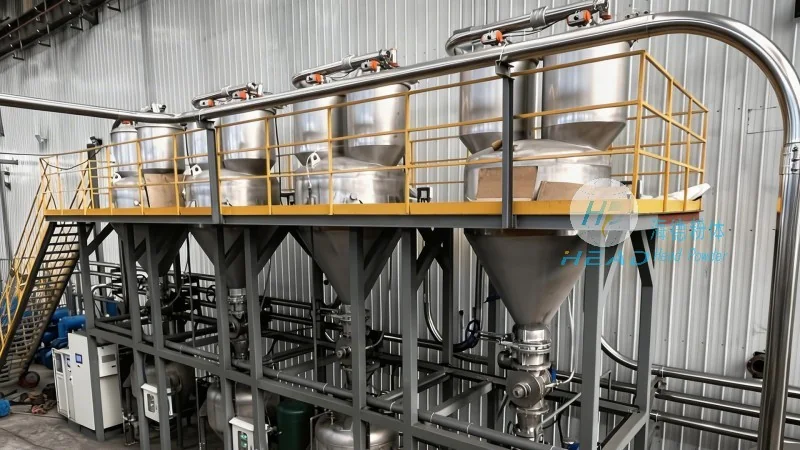
Pneumatic conveying systems use air or other gases to transport alumina crystals through a pipeline. These systems are available in two main types: dilute-phase and dense-phase. Dilute-phase systems are suitable for short distances and low to medium material loads, while dense-phase systems are better for longer distances and higher loads. The main advantage of pneumatic conveying is its ability to transport materials in a closed system, which helps maintain product purity and prevents contamination. It also allows for easy integration with other processing equipment, such as mixers and classifiers. However, pneumatic conveying can be more expensive to install and operate compared to other methods. The system requires a powerful air compressor and may need additional filtration to prevent dust accumulation. Another challenge is that abrasive materials like alumina crystals can cause wear on the pipeline and components, leading to higher maintenance costs. Furthermore, the system may not be suitable for very fine or cohesive materials, as they can clog the pipeline.
3. Vibrating Conveyors
Vibrating conveyors use vibration to move alumina crystals along a trough. These systems are commonly used for bulk material handling and are particularly effective for materials with poor flow characteristics. The main advantage of vibrating conveyors is their ability to handle sticky or cohesive materials without the need for additional additives. They also provide a gentle conveying action, which helps maintain the integrity of the alumina crystals. However, vibrating conveyors have limitations when it comes to handling abrasive materials, as the trough and vibration mechanism can experience wear. This can lead to increased maintenance and potential downtime. Another drawback is that they are not suitable for long-distance transport, as the material may lose its flowability over time. Additionally, the system requires regular maintenance to ensure the vibration mechanism operates correctly.
4. Belt Conveyors
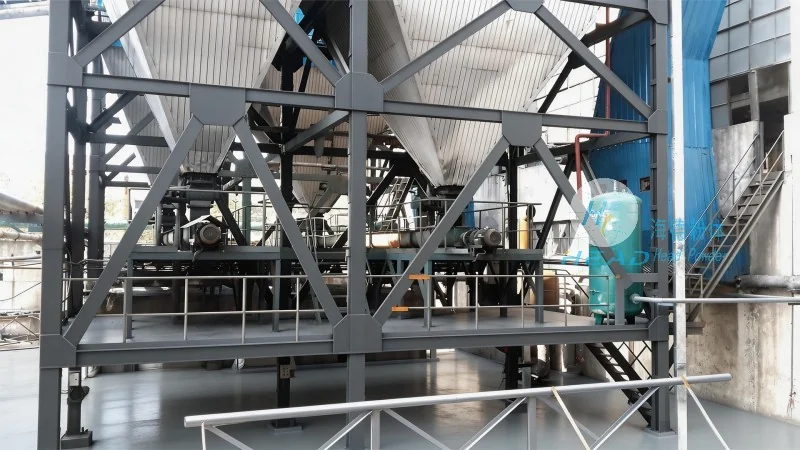
Belt conveyors are another common method for transporting alumina crystals, especially in applications requiring long-distance transport. These systems consist of a continuous belt that moves the material along a path. The main advantage of belt conveyors is their ability to handle large volumes of material and long distances efficiently. They are also relatively low-cost and easy to install. However, belt conveyors have limitations when it comes to handling abrasive materials, as the belt and pulleys can experience significant wear. This can lead to increased maintenance costs and potential downtime. Another drawback is that they are not suitable for materials with poor flow characteristics, as they may cause the material to build up on the belt. Additionally, the system requires regular cleaning to prevent material buildup and maintain efficiency.
Conclusion and Recommendations
When selecting a conveying method for alumina crystals, it is essential to consider the specific application requirements, such as material properties, distance, and volume. Screw conveyors are suitable for short distances and moderate loads, while pneumatic conveying is better for closed systems and longer distances. Vibrating conveyors are ideal for handling sticky or cohesive materials, and belt conveyors are suitable for large volumes and long distances. Each method has its advantages and disadvantages, and the choice depends on the specific needs of the operation. It is recommended to consult with a professional manufacturer, such as Shandong HeadPowder Engineering Co., Ltd., to determine the most suitable conveying system for your application.

 Công ty TNHH Kỹ thuật Công trình Bột Hải Đức Sơn Đông
 156-6277-7102(Quản lý Trương)
  0531-83386006
  Quận Chương Khâu, Thành phố Tế Nam, Tỉnh Sơn Đông, Trung Quốc
Điện thoại
WeChatTư vấn
Lên đầu