Công ty Hải Đức Bột với hơn 10 năm kinh nghiệm vận chuyển khí, cung cấp hệ thống‑thiết bị‑quạt gió và nhận dự án tổng thầu bột cả nước
Efficient and reliable grain and bulk material handling is a critical aspect of modern agricultural and industrial operations. The choice of conveying system significantly impacts productivity, cost-effectiveness, and overall operational efficiency. This article provides a detailed comparison of common grain particle conveying methods, examining their advantages and disadvantages to help stakeholders make informed decisions. The information is presented by Shandong HeadPowder Engineering Co., Ltd., a leading provider of material handling solutions based in China.
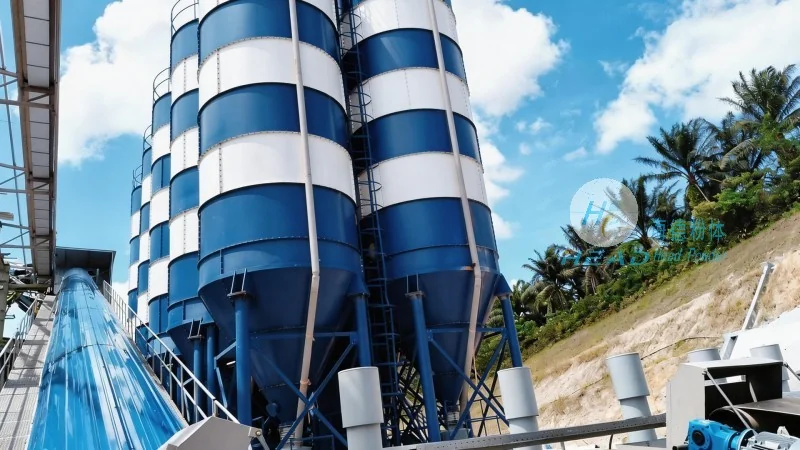
Introduction to Grain Particle Conveying Systems
Grain and bulk material conveying systems are essential for transporting various types of grains, seeds, and other particulate materials from one location to another within processing facilities, storage silos, or distribution centers. These systems must be capable of handling different grain types, varying particle sizes, and maintaining the quality of the material throughout the conveying process. The selection of an appropriate conveying method depends on factors such as material characteristics, distance to be covered, required throughput, and environmental considerations. This article focuses on three primary conveying methods: screw conveyors, pneumatic conveyors, and belt conveyors, evaluating their performance, benefits, and limitations.
Screw Conveyors: A Traditional and Versatile Option
Screw conveyors, also known as auger conveyors, are among the most widely used equipment for transporting bulk materials, including grains. These systems consist of a rotating helical screw inside a trough or tube, which moves material forward through the conveyor. Screw conveyors are particularly suitable for handling dry, free-flowing grains and are commonly used in feed mills, grain elevators, and processing plants. One of the key advantages of screw conveyors is their ability to operate in a closed system, preventing dust and contamination. They are also relatively simple in design, making them easy to install and maintain. However, screw conveyors have limitations, such as the risk of material degradation due to friction and the need for regular cleaning to prevent clogging. Additionally, they are less efficient for long-distance conveying compared to other methods, as the material experiences more resistance and energy loss over longer distances.
Pneumatic Conveyors: High-Capacity and Flexible Solutions
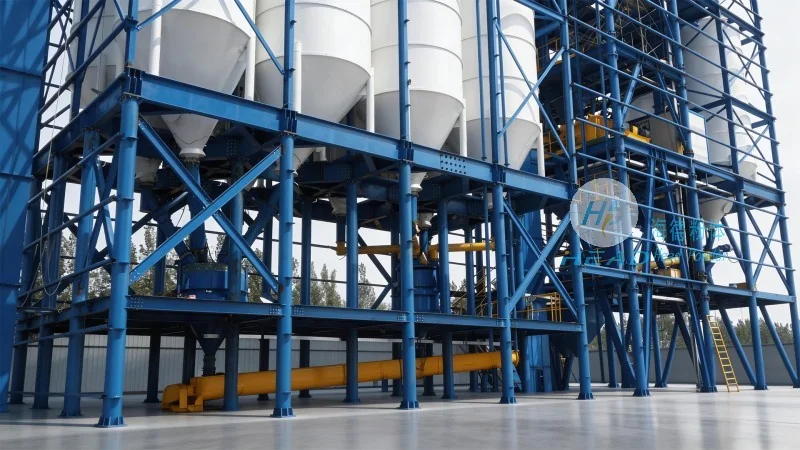
Pneumatic conveying systems use air or other gases to transport dry, free-flowing materials through a pipeline. These systems are highly effective for moving large volumes of grain over moderate to long distances, making them ideal for applications such as bulk handling in grain terminals and storage facilities. Pneumatic conveyors offer several advantages, including high throughput rates, the ability to handle a wide range of grain types, and minimal material degradation due to reduced friction. They also allow for vertical and horizontal transport, providing flexibility in system design. However, pneumatic conveyors have significant drawbacks, including higher energy consumption compared to other methods, the need for proper air filtration to prevent dust accumulation, and potential issues with material separation and blockages if the system is not properly maintained. Additionally, the initial investment cost for pneumatic systems is generally higher than for other conveying options.
Belt Conveyors: Durable and Cost-Effective for Long Distances
Belt conveyors are another popular choice for grain and bulk material transport, particularly for long-distance applications. These systems consist of a continuous belt that moves material along a series of rollers or idlers. Belt conveyors are known for their durability and ability to handle heavy loads, making them suitable for transporting large quantities of grain over extended distances, such as from storage silos to processing facilities or distribution centers. One of the main advantages of belt conveyors is their high efficiency for long-distance conveying, as the material experiences less resistance compared to screw or pneumatic systems. They are also relatively low in maintenance costs and can be easily integrated with other equipment. However, belt conveyors have limitations, including the need for regular belt tensioning and replacement, the risk of material spillage or contamination if the system is not properly sealed, and the potential for belt damage due to abrasive materials or overloading. Additionally, belt conveyors are less suitable for vertical transport and may require additional equipment for incline or decline operations.
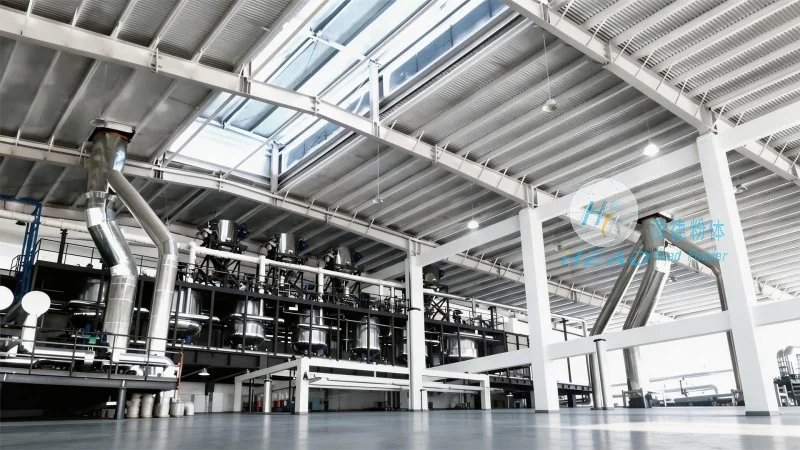
Comparative Analysis: Choosing the Right Conveying Method
When selecting a grain particle conveying system, it is essential to consider the specific requirements of the application, including the type of grain, the distance to be covered, the required throughput, and the operational environment. Screw conveyors are an excellent choice for short-distance, low-throughput applications where simplicity and cost-effectiveness are priorities. Pneumatic conveyors are ideal for high-volume, long-distance transport, especially in environments where flexibility and minimal material degradation are critical. Belt conveyors are best suited for long-distance, heavy-load applications where durability and efficiency are paramount. Shandong HeadPowder Engineering Co., Ltd. specializes in designing and manufacturing customized conveying systems tailored to the unique needs of each client, ensuring optimal performance and reliability. By understanding the advantages and disadvantages of each method, stakeholders can make informed decisions that enhance operational efficiency and reduce costs.
Conclusion
In conclusion, the choice of grain particle conveying method significantly impacts the efficiency and effectiveness of material handling operations. Screw conveyors offer simplicity and versatility, pneumatic conveyors provide high capacity and flexibility, and belt conveyors deliver durability and cost-effectiveness for long distances. Shandong HeadPowder Engineering Co., Ltd. is committed to providing innovative and reliable material handling solutions that meet the diverse needs of the agricultural and industrial sectors. By leveraging our expertise in conveying technology, we help clients optimize their operations and achieve their production goals. Whether you are in the market for a new conveying system or looking to upgrade existing equipment, HeadPowder offers a range of solutions designed to enhance productivity and ensure the quality of your grain and bulk materials.

 Công ty TNHH Kỹ thuật Công trình Bột Hải Đức Sơn Đông
 156-6277-7102(Quản lý Trương)
  0531-83386006
  Quận Chương Khâu, Thành phố Tế Nam, Tỉnh Sơn Đông, Trung Quốc
Điện thoại
WeChatTư vấn
Lên đầu