Công ty Hải Đức Bột với hơn 10 năm kinh nghiệm vận chuyển khí, cung cấp hệ thống‑thiết bị‑quạt gió và nhận dự án tổng thầu bột cả nước
When it comes to transporting carbonaceous particles in industrial settings, selecting the right conveying method is crucial for efficiency, cost-effectiveness, and operational safety. Various technologies are available, each with distinct characteristics that make them suitable for different applications. This article provides an overview of common carbon particle conveying methods, examining their advantages and disadvantages to help industrial operators make informed decisions.
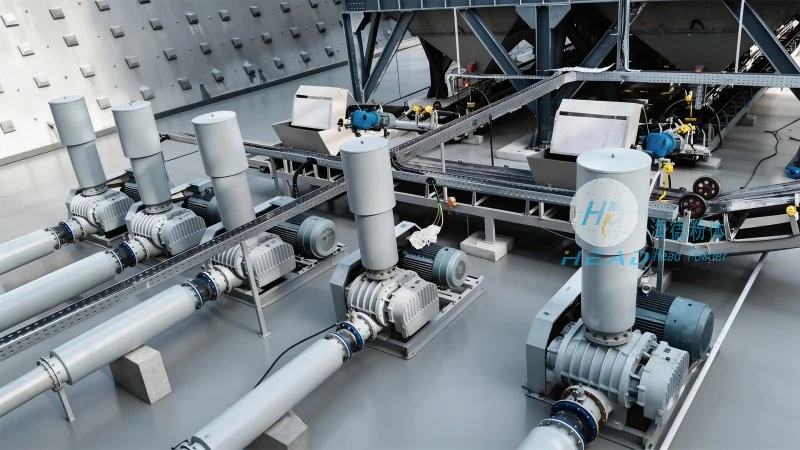
Introduction to Carbon Particle Conveying
Carbon particles, such as graphite, carbon black, and other carbon-based materials, are widely used in manufacturing processes. The effective and safe transportation of these materials is essential to maintain production continuity and ensure product quality. Conveying systems must handle the unique properties of carbon particles, including their size, density, and potential for dust generation. Understanding the pros and cons of different conveying methods is key to optimizing material handling in industrial operations.
Company Profile: Shandong HeadPowder Engineering Co., Ltd.
HeadPowder, a leading provider of material handling solutions, specializes in the design and implementation of efficient conveying systems for carbonaceous materials. With a strong presence in China, particularly in Shandong, the company leverages advanced engineering and industry expertise to deliver tailored solutions that meet the specific needs of its clients. HeadPowder's commitment to quality and innovation ensures that its conveying systems are reliable, durable, and capable of handling the demands of modern industrial applications.
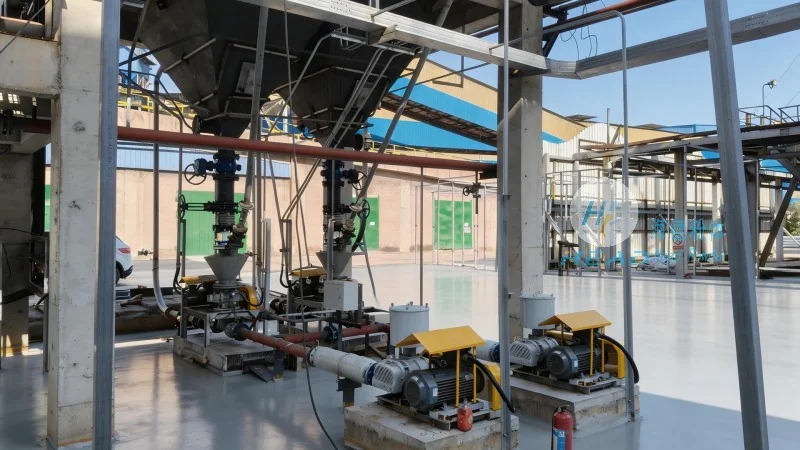
1. Screw Conveyors: Advantages and Limitations
Screw conveyors, also known as auger conveyors, are one of the most common methods for transporting carbon particles. These systems use a rotating screw or auger to move material along a trough. The primary advantages of screw conveyors include their simplicity, low cost, and ability to handle a wide range of particle sizes. They are particularly effective for horizontal or slightly inclined transport and can be easily integrated into existing production lines. However, screw conveyors have limitations, such as their inefficiency in vertical lifting and potential for material degradation due to friction and heat generation. Additionally, they may not be suitable for abrasive or highly corrosive carbon particles, as the screw and trough can wear out quickly.
2. Pneumatic Conveying Systems: Advantages and Challenges
Pneumatic conveying systems use air or other gases to transport carbon particles through a pipeline. These systems are ideal for long-distance transport and can handle both fine and coarse particles. The main advantages of pneumatic conveying include its ability to transport materials in a closed system, reducing dust emissions and improving safety. It also allows for flexible routing and can be integrated with other processing equipment. However, pneumatic systems have significant challenges, including high energy consumption, the need for precise air pressure control, and potential for material degradation due to abrasion and particle separation. The cost of installation and maintenance can also be higher compared to other methods, especially for large-scale operations.
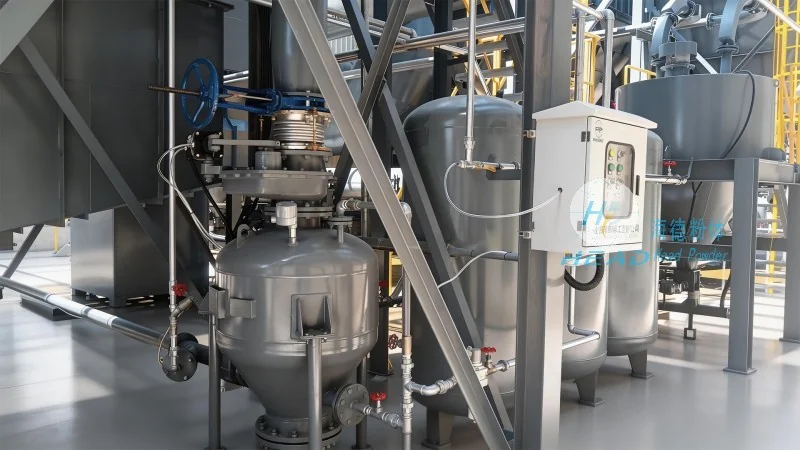
3. Belt Conveyors: Advantages and Applications
Belt conveyors are widely used in carbon particle handling due to their ability to transport large volumes of material over long distances. These systems consist of a continuous belt that moves over rollers or idlers, carrying the particles from one location to another. The primary advantages of belt conveyors include their high capacity, low maintenance requirements, and suitability for both horizontal and inclined transport. They are particularly effective for transporting bulk quantities of carbon particles, such as in mining or manufacturing facilities. However, belt conveyors have limitations, including their susceptibility to damage from heavy or abrasive particles, the need for regular belt tensioning and replacement, and potential for material spillage if not properly maintained. Additionally, they may not be suitable for fine particles that can cause the belt to slip or wear.
4. Bucket Elevators: Advantages and Limitations
Bucket elevators are vertical or inclined conveyors that use buckets attached to a chain or belt to transport carbon particles. These systems are ideal for vertical lifting and can handle a wide range of particle sizes and densities. The main advantages of bucket elevators include their high lifting capacity, ability to transport materials over long vertical distances, and minimal material spillage. They are particularly effective for transporting carbon particles in mining, cement, and chemical industries. However, bucket elevators have limitations, such as their high initial cost, complex maintenance requirements, and potential for material degradation due to impact and friction. The system also requires careful alignment and tensioning to ensure smooth operation, and any misalignment can lead to increased wear and downtime.
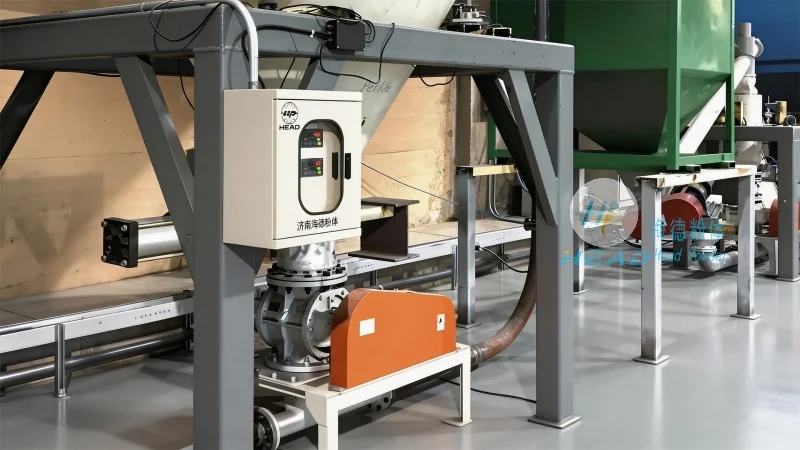
5. Hydraulic Conveying: Advantages and Applications
Hydraulic conveying systems use water or other liquids to transport carbon particles through a pipeline. These systems are particularly effective for transporting fine or abrasive particles that are difficult to handle with other methods. The main advantages of hydraulic conveying include its ability to transport materials over long distances with minimal energy consumption, and the reduction of dust emissions. It is also suitable for transporting materials in hazardous environments where pneumatic systems may not be safe. However, hydraulic systems have significant limitations, including the need for water treatment and disposal, potential for material clogging, and higher maintenance costs due to the presence of water and potential corrosion. The system also requires careful monitoring of water quality to prevent material degradation and equipment damage.
Conclusion: Selecting the Right Conveying Method
Choosing the appropriate carbon particle conveying method depends on several factors, including the type of material, particle size, required transport distance, and operational environment. Each method has its own set of advantages and disadvantages, and the best choice is often determined by a combination of these factors. For example, screw conveyors may be suitable for short horizontal transport of non-abrasive particles, while pneumatic systems are better for long-distance transport of fine particles. Belt conveyors are ideal for bulk handling, and bucket elevators are preferred for vertical lifting. Understanding these characteristics and considering the specific needs of the application is crucial for selecting the most efficient and cost-effective conveying system.
HeadPowder, with its expertise in material handling solutions, can assist industrial operators in evaluating and selecting the right conveying method for their carbon particle transport needs. By leveraging advanced engineering and industry knowledge, HeadPowder provides tailored solutions that optimize material handling efficiency, reduce operational costs, and enhance safety in industrial operations.

 Công ty TNHH Kỹ thuật Công trình Bột Hải Đức Sơn Đông
 156-6277-7102(Quản lý Trương)
  0531-83386006
  Quận Chương Khâu, Thành phố Tế Nam, Tỉnh Sơn Đông, Trung Quốc
Điện thoại
WeChatTư vấn
Lên đầu