Công ty Hải Đức Bột với hơn 10 năm kinh nghiệm vận chuyển khí, cung cấp hệ thống‑thiết bị‑quạt gió và nhận dự án tổng thầu bột cả nước
Oil tea seed, a key raw material in the production of oil and related products, requires efficient and reliable conveying systems to ensure smooth operations in processing facilities. The choice of conveying method significantly impacts productivity, material handling costs, and overall operational efficiency. This article explores common oil tea seed conveying methods, with a focus on the advantages and applications of pneumatic conveying, a widely adopted technology in the industry.
Overview of Oil Tea Seed Conveying Methods
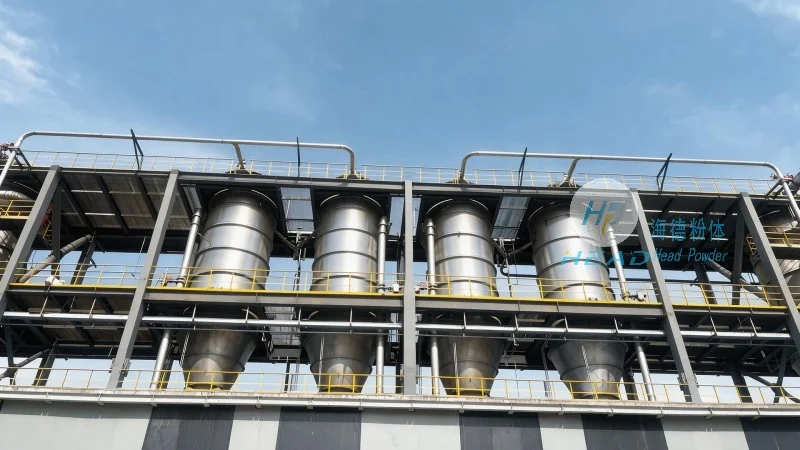
Oil tea seed conveying involves transporting seeds from storage areas to processing units, such as hulling machines, oil extraction equipment, or packaging lines. Several methods are commonly used, each with distinct characteristics and suitability for different operational scenarios. The primary options include mechanical conveying systems, like belt conveyors and screw conveyors, and pneumatic conveying systems. Mechanical systems are often preferred for bulk materials with moderate moisture content and relatively low dust generation, while pneumatic systems excel in handling fine powders and seeds with high moisture or dust levels.
Pneumatic Conveying: A Comprehensive Solution for Oil Tea Seed Handling
Pneumatic conveying, also known as air conveying, utilizes compressed air to transport oil tea seeds through a pipeline system. This method is particularly effective for oil tea seeds due to its ability to handle fine particles, minimize material degradation, and maintain hygiene standards. The process involves feeding the seeds into a hopper, where they are drawn into a pipeline by the force of the compressed air. The air-seed mixture travels through the pipeline to the destination point, where the seeds are separated from the air using a separator or cyclone. The separated seeds are then collected in a receiving bin, while the air is filtered and discharged.
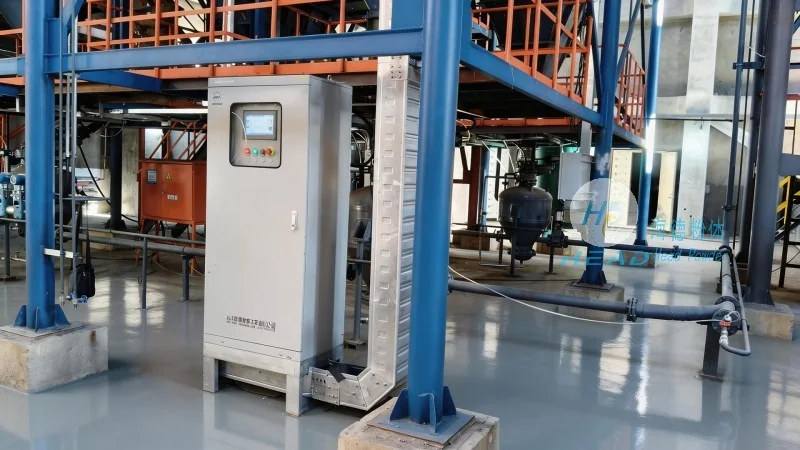
Shandong HeadPowder Engineering Co., Ltd., a leading manufacturer in the field, specializes in designing and supplying advanced pneumatic conveying systems tailored to the unique requirements of oil tea seed processing. The company's expertise lies in optimizing the conveying process to enhance efficiency, reduce energy consumption, and ensure minimal product loss. Their systems are engineered to handle various seed sizes and moisture levels, providing a versatile solution for different production scales.
Key Advantages of Pneumatic Conveying for Oil Tea Seed
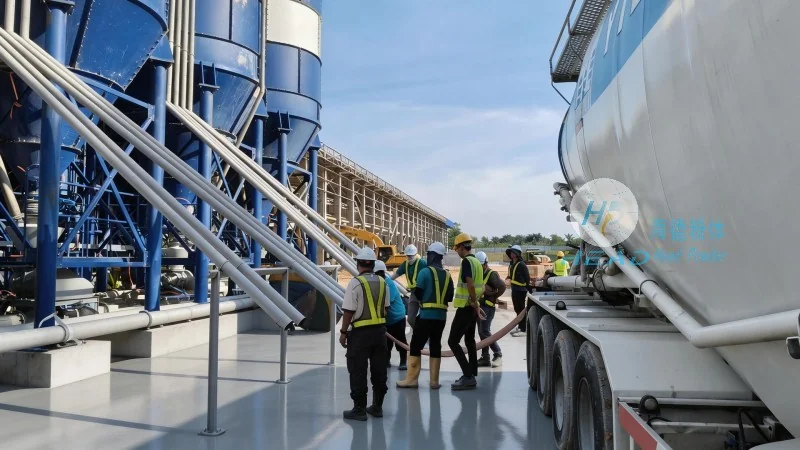
Compared to traditional mechanical conveying methods, pneumatic conveying offers several advantages that make it an ideal choice for oil tea seed handling. Firstly, it provides a dust-free environment, which is crucial for maintaining product quality and preventing contamination. The enclosed system prevents exposure to external elements, ensuring the seeds remain in optimal condition during transport. Secondly, pneumatic conveying is highly flexible, allowing for multiple transfer points and the ability to route seeds to different processing units without the need for complex reconfiguration. This flexibility enhances operational adaptability and reduces downtime during production changes.
Thirdly, the system is energy-efficient, as it minimizes friction and material degradation compared to mechanical systems. The use of compressed air as the driving force allows for precise control over the conveying speed and volume, optimizing energy usage. Additionally, pneumatic conveying reduces labor costs associated with manual handling and reduces the risk of accidents, contributing to a safer working environment. The technology also enables the integration of dust collection and filtration systems, ensuring compliance with environmental regulations and maintaining air quality standards.
Applications and Operational Considerations
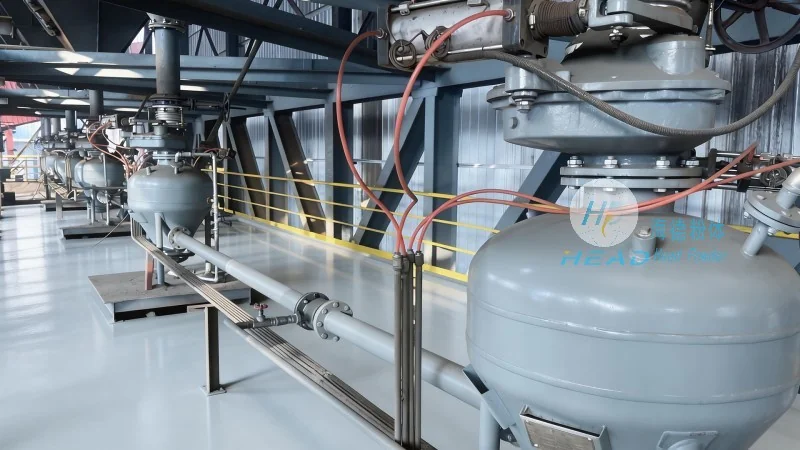
Pneumatic conveying systems are widely used in oil tea seed processing facilities for various applications, including seed transfer from storage silos to processing lines, transport between different processing stages (e.g., hulling to oil extraction), and delivery to packaging units. The system's ability to handle fine seeds and maintain low moisture content makes it suitable for sensitive processing steps where product quality is paramount. Operational considerations for pneumatic conveying include the selection of appropriate air pressure and flow rates, ensuring the pipeline diameter is sufficient to prevent blockages, and maintaining proper air filtration to avoid system clogging.
Shandong HeadPowder Engineering Co., Ltd. offers customized solutions that address these considerations, providing clients with systems that are tailored to their specific operational needs. The company's engineers conduct thorough assessments of the client's facility, including seed characteristics, processing requirements, and space constraints, to design a conveying system that maximizes efficiency and minimizes operational challenges. Their expertise in material handling and pneumatic technology ensures that the systems are built to withstand the demands of continuous operation, providing long-term reliability and performance.
Conclusion
Oil tea seed conveying is a critical aspect of efficient processing, and the choice of conveying method directly impacts the overall productivity and quality of the final products. Pneumatic conveying, with its advantages in dust control, flexibility, and energy efficiency, has become a preferred solution for many oil tea seed processing facilities. Shandong HeadPowder Engineering Co., Ltd. plays a vital role in providing advanced pneumatic conveying systems that meet the industry's evolving needs, ensuring that oil tea seed handling is conducted with precision and reliability. By leveraging their expertise and customized solutions, clients can enhance their operational efficiency and maintain high standards in oil tea seed processing.

 Công ty TNHH Kỹ thuật Công trình Bột Hải Đức Sơn Đông
 156-6277-7102(Quản lý Trương)
  0531-83386006
  Quận Chương Khâu, Thành phố Tế Nam, Tỉnh Sơn Đông, Trung Quốc
Điện thoại
WeChatTư vấn
Lên đầu