Công ty Hải Đức Bột với hơn 10 năm kinh nghiệm vận chuyển khí, cung cấp hệ thống‑thiết bị‑quạt gió và nhận dự án tổng thầu bột cả nước
Sodium hydroxide, commonly known as caustic soda, is a widely used chemical in various industrial applications. The efficient and safe transportation of this caustic substance is crucial for industrial processes. This article focuses on the common methods used for sodium hydroxide conveying, with a particular emphasis on the pneumatic conveying system, which is a popular choice in many industries.
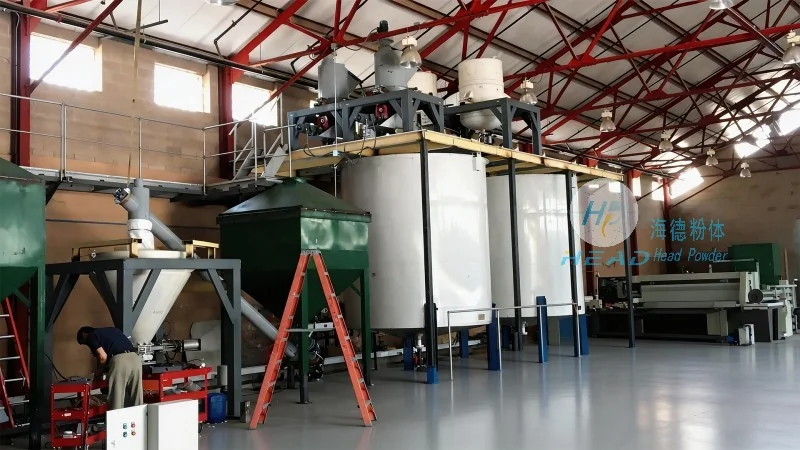
Pneumatic Conveying of Sodium Hydroxide: An Overview
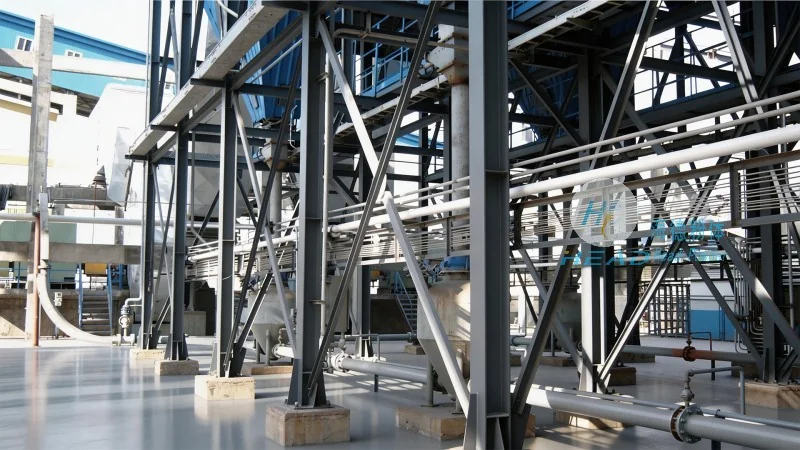
Pneumatic conveying is a method that uses air or other gases to transport bulk materials, including powders and granules, through a pipeline system. For sodium hydroxide, this technology offers several advantages, such as the ability to handle the material in a closed system, reducing exposure to the environment and minimizing the risk of contamination. The process typically involves a hopper or storage tank where the sodium hydroxide is loaded, followed by the introduction of air or a carrier gas to move the material through the pipeline to the destination point, such as a processing unit or storage tank.
Key Components of a Pneumatic Conveying System for Sodium Hydroxide
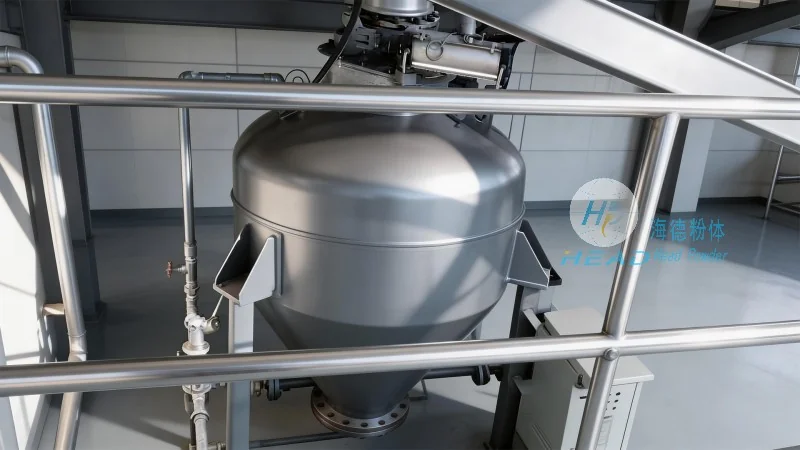
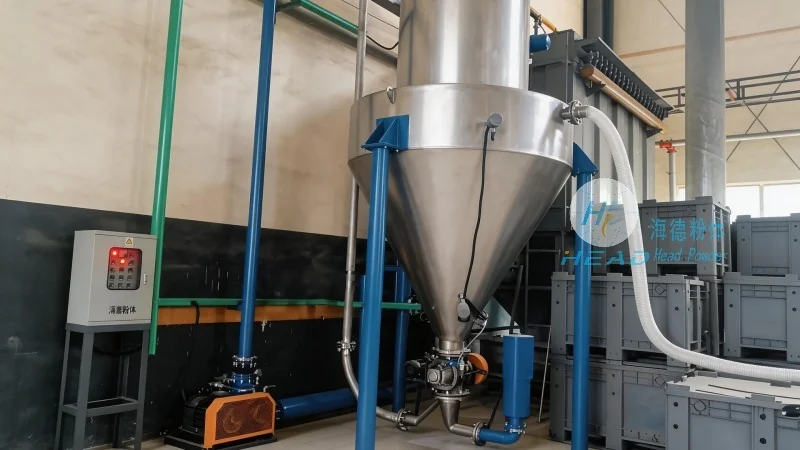
A pneumatic conveying system for sodium hydroxide consists of several key components that work together to ensure efficient and reliable operation. These components include a material feed hopper, a rotary airlock or feeder to control the flow of sodium hydroxide into the pipeline, a conveying line (usually made of stainless steel to resist corrosion from the caustic material), a venturi or pressure drop device to create the necessary airflow, and a receiver or destination vessel to collect the material at the end of the line. Additionally, the system may include a dust collector or filter to capture any fine particles that may be generated during the conveying process, ensuring environmental compliance and maintaining the quality of the material.
Advantages of Pneumatic Conveying for Sodium Hydroxide
There are several advantages to using pneumatic conveying for sodium hydroxide transportation. First, it provides a closed system, which helps to prevent dust and fumes from escaping into the environment, reducing the risk of exposure to workers and minimizing the need for additional safety measures. Second, the system can handle varying flow rates and distances, making it suitable for both short and long-distance conveying tasks. Third, it is relatively simple to install and maintain compared to other bulk material handling systems. Fourth, the material is transported in a dry state, which helps to preserve its quality and prevent caking or clumping, which can occur with other handling methods. Finally, the system can be integrated with other industrial processes, allowing for seamless material transfer and improving overall operational efficiency.
Considerations for Implementing Pneumatic Conveying of Sodium Hydroxide
When implementing a pneumatic conveying system for sodium hydroxide, several factors need to be considered to ensure optimal performance and safety. First, the material characteristics, such as particle size, moisture content, and flowability, must be evaluated to determine the appropriate conveying system design. For example, fine powders may require a different system configuration compared to larger granules. Second, the system must be designed to handle the corrosive nature of sodium hydroxide, using materials like stainless steel for components that come into direct contact with the material. Third, the system should be equipped with proper safety features, such as pressure relief valves and explosion-proof components, to prevent accidents and ensure compliance with safety regulations. Fourth, regular maintenance and inspection of the system are essential to ensure its longevity and performance. Finally, the system should be designed to meet the specific requirements of the application, such as the required flow rate, distance, and destination point.
Conclusion
Pneumatic conveying is a reliable and efficient method for the transportation of sodium hydroxide in industrial settings. By using a closed system and appropriate materials, this technology helps to ensure the safe and effective handling of caustic soda. The key components and considerations discussed in this article provide a foundation for understanding and implementing a pneumatic conveying system for sodium hydroxide. As a leading provider of engineering solutions for bulk material handling, Shandong HeadPowder Engineering Co., Ltd. specializes in designing and manufacturing customized pneumatic conveying systems tailored to the specific needs of clients in various industries. With our expertise and commitment to quality, we help our customers achieve efficient and safe sodium hydroxide conveying solutions that meet their operational requirements.

 Công ty TNHH Kỹ thuật Công trình Bột Hải Đức Sơn Đông
 156-6277-7102(Quản lý Trương)
  0531-83386006
  Quận Chương Khâu, Thành phố Tế Nam, Tỉnh Sơn Đông, Trung Quốc
Điện thoại
WeChatTư vấn
Lên đầu