Công ty Hải Đức Bột với hơn 10 năm kinh nghiệm vận chuyển khí, cung cấp hệ thống‑thiết bị‑quạt gió và nhận dự án tổng thầu bột cả nước
Monocrystalline silicon is a cornerstone material in the semiconductor industry, essential for the production of solar panels, microchips, and other high-tech devices. The efficient and reliable transportation of this material from production lines to processing stations is critical for maintaining productivity and ensuring product quality. This article explores common monocrystalline silicon conveying methods, with a focus on the advantages and applications of pneumatic conveying systems.
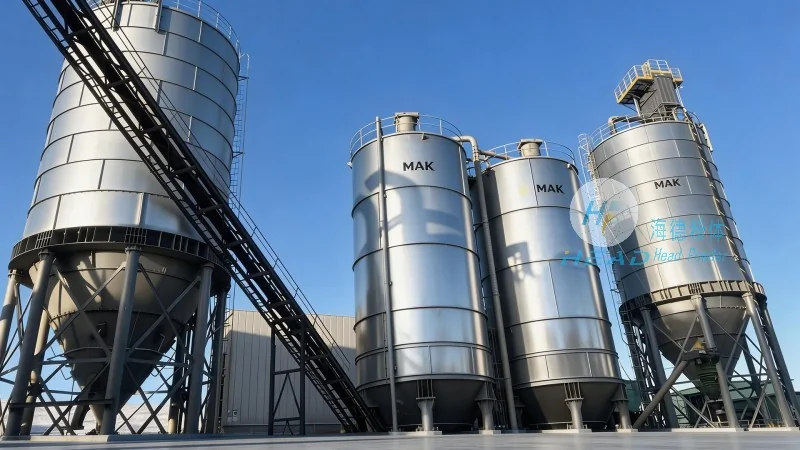
Overview of Monocrystalline Silicon Conveying Methods
There are several conventional methods used to transport monocrystalline silicon, each with its own set of advantages and limitations. Traditional approaches include mechanical conveyors, such as belt conveyors and screw conveyors, which are widely used in bulk material handling. However, these systems may not be suitable for the delicate nature of monocrystalline silicon, as they can introduce friction and potential damage to the material's surface. Another method is vacuum conveying, which uses a vacuum pump to draw material through a pipeline. While effective for certain applications, vacuum systems can be less efficient for long-distance or high-volume transport.
Pneumatic Conveying: A Superior Solution for Monocrystalline Silicon Transport
Among the various conveying methods, pneumatic conveying stands out as a highly effective and versatile solution for monocrystalline silicon. This technology uses compressed air or other gases to transport material through a closed pipeline system. The process involves feeding the silicon into a hopper, where it is then drawn into the pipeline by the moving air stream. Pneumatic conveying offers several key benefits for monocrystalline silicon transport, including minimal material degradation, high transport speeds, and the ability to handle both fine and coarse particles.
One of the primary advantages of pneumatic conveying is its ability to maintain the integrity of the monocrystalline silicon. Unlike mechanical systems that rely on physical contact, pneumatic systems minimize friction and impact, reducing the risk of surface scratches or cracks. This is particularly important for high-value silicon wafers, where even minor damage can significantly impact their performance. Additionally, pneumatic conveying systems can be designed to operate at low pressures, which helps to prevent material breakage and ensures a smooth transport process.
Key Components of a Monocrystalline Silicon Pneumatic Conveying System
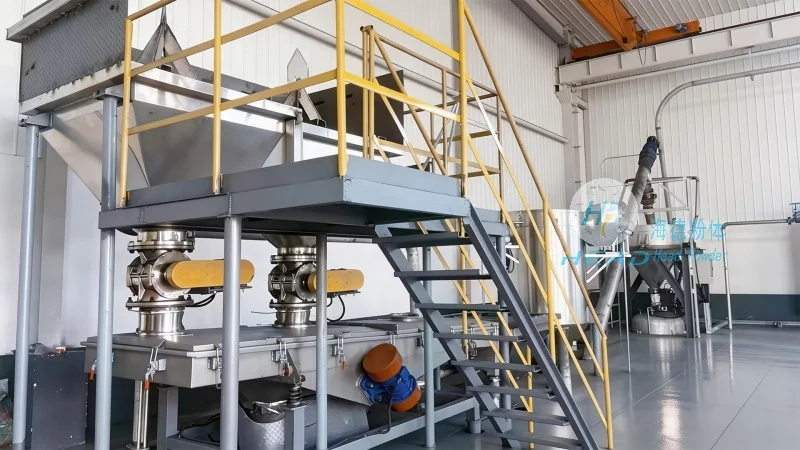
A typical monocrystalline silicon pneumatic conveying system consists of several key components, each playing a crucial role in the overall operation. The main components include a hopper for material storage, a feeder to control the flow rate, a pipeline system for transport, a compressor to generate the air pressure, and a receiver for material discharge. The hopper is designed to hold the silicon securely, preventing spillage and ensuring a consistent feed rate. The feeder, often a rotary valve or a screw feeder, regulates the amount of material entering the pipeline, preventing overloading and maintaining system efficiency.
The pipeline system is constructed from materials that are compatible with monocrystalline silicon, such as stainless steel or special coatings, to prevent corrosion and material contamination. The compressor provides the necessary air pressure to move the material through the pipeline, with the pressure level adjusted based on the distance and volume of material being transported. The receiver, typically a hopper or a storage tank, collects the silicon at the destination, allowing for easy access and further processing.
Applications and Benefits of Monocrystalline Silicon Pneumatic Conveying
Monocrystalline silicon pneumatic conveying systems are widely used in various applications within the semiconductor and solar industries. These systems are commonly employed in wafer manufacturing facilities, where silicon wafers are transported from cutting and polishing stations to inspection and packaging areas. The ability to handle both small and large silicon pieces makes pneumatic conveying suitable for a wide range of production processes. Another application is in the transport of silicon granules or powders, which are used as raw materials in the production of solar cells and other electronic components.
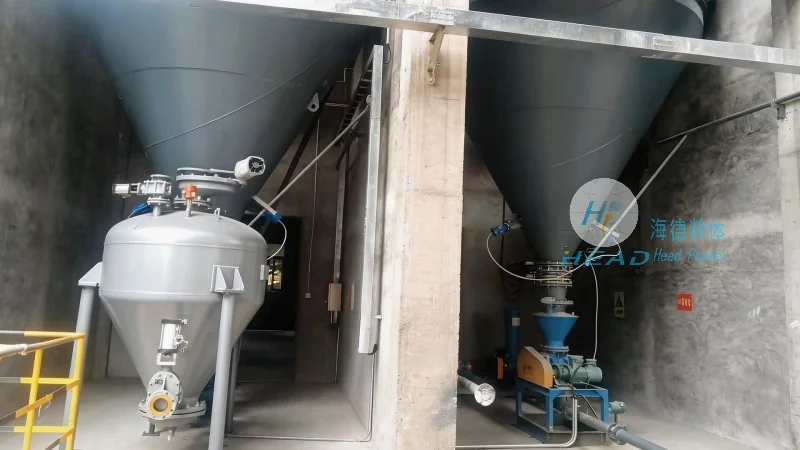
The benefits of using pneumatic conveying for monocrystalline silicon extend beyond material integrity. These systems offer high flexibility, allowing for easy integration into existing production lines and the ability to change transport routes as needed. They also provide excellent dust control, as the closed pipeline system prevents material from escaping into the environment. This is particularly important for maintaining a clean and safe working environment in semiconductor manufacturing facilities. Furthermore, pneumatic conveying systems can be automated, reducing the need for manual labor and improving overall operational efficiency.
Conclusion: Choosing the Right Conveying Solution for Monocrystalline Silicon
When selecting a conveying method for monocrystalline silicon, it is essential to consider the specific requirements of the application, including material properties, transport distance, and production volume. While mechanical and vacuum systems have their uses, pneumatic conveying offers a superior solution for many modern semiconductor and solar applications. The ability to maintain material quality, handle various particle sizes, and provide flexible operation makes pneumatic systems a preferred choice for high-value monocrystalline silicon transport.
Shandong HeadPowder Engineering Co., Ltd., a leading provider of material handling solutions, specializes in designing and manufacturing advanced pneumatic conveying systems tailored to the needs of the monocrystalline silicon industry. With years of experience and a commitment to quality, HeadPowder offers reliable and efficient solutions that help manufacturers optimize their production processes and ensure the highest standards of material integrity. By leveraging the benefits of pneumatic conveying, companies can enhance their operational efficiency and maintain a competitive edge in the global market.

 Công ty TNHH Kỹ thuật Công trình Bột Hải Đức Sơn Đông
 156-6277-7102(Quản lý Trương)
  0531-83386006
  Quận Chương Khâu, Thành phố Tế Nam, Tỉnh Sơn Đông, Trung Quốc
Điện thoại
WeChatTư vấn
Lên đầu