Công ty Hải Đức Bột với hơn 10 năm kinh nghiệm vận chuyển khí, cung cấp hệ thống‑thiết bị‑quạt gió và nhận dự án tổng thầu bột cả nước
Carbonaceous particles, such as carbon black, graphite, and other carbon-based materials, are widely used in various industrial applications. The efficient and reliable transportation of these particles is crucial for maintaining production efficiency and ensuring product quality. There are several common methods for conveying carbonaceous particles, each with its own advantages and applications. This article provides an overview of the primary carbon particle conveying methods, with a particular focus on pneumatic conveying, a widely adopted technique in the industry.
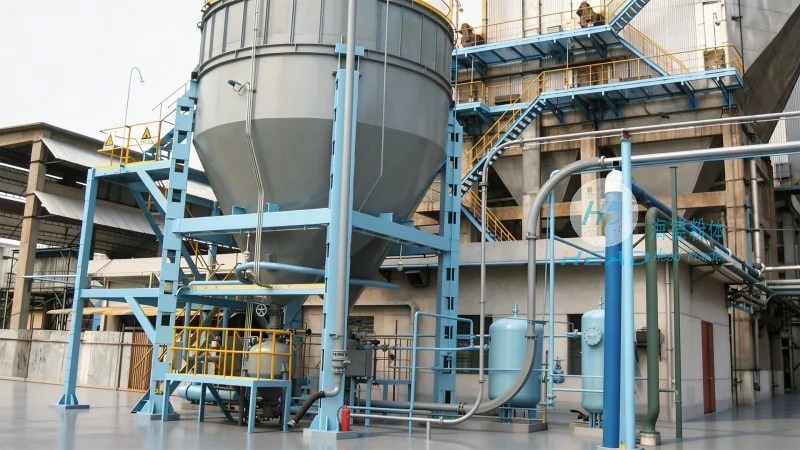
Introduction to Carbon Particle Conveying
In industrial settings, the transportation of carbonaceous particles from one location to another is a critical process. Traditional methods like manual handling or simple gravity-based systems are often insufficient for large-scale operations. Modern solutions involve advanced technologies that ensure consistent flow, minimal product degradation, and cost-effective operation. The choice of conveying method depends on factors such as particle size, moisture content, bulk density, and the distance to be covered. Understanding these methods helps industries select the most suitable option for their specific needs.
Common Carbon Particle Conveying Methods
Several techniques are employed for the transportation of carbonaceous particles. The most common methods include mechanical conveying, pneumatic conveying, and gravity-based systems. Each method has distinct characteristics that make it suitable for different scenarios.
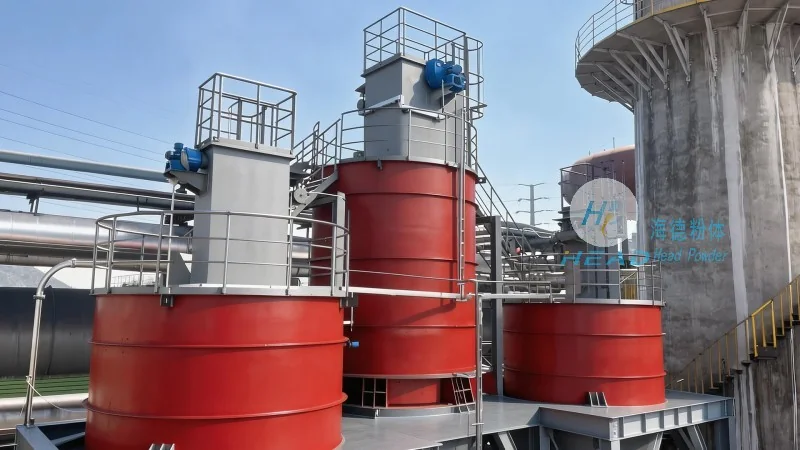
1. Mechanical Conveying Systems
Mechanical conveying involves the use of equipment like screw conveyors, belt conveyors, and bucket elevators to move particles. Screw conveyors are particularly effective for handling dry, free-flowing carbon particles. They consist of a rotating screw inside a trough, which pushes the material forward. This method is simple, reliable, and suitable for horizontal or slightly inclined applications. However, mechanical conveyors may cause particle degradation due to friction and are less efficient for long-distance transport.
2. Pneumatic Conveying: The Preferred Method for Carbon Particles
Pneumatic conveying, also known as air conveying, is a widely used method for transporting carbonaceous particles. It involves the use of air or other gases to move particles through a pipeline. This technique offers several advantages, including the ability to handle fine particles, minimize product contamination, and achieve high conveying velocities. Pneumatic systems are particularly suitable for carbon particles due to their light weight and low bulk density.
2.1 Positive Pressure Pneumatic Conveying
Positive pressure pneumatic conveying uses compressed air to push particles through the pipeline. The system consists of a blower, a hopper, and a pipeline. The compressed air is introduced into the hopper, creating a pressure that lifts and transports the particles. This method is ideal for short to medium distances and is commonly used in applications where the particles are relatively dry and free-flowing. The positive pressure system ensures that the particles are conveyed without the risk of backflow or contamination from external air.
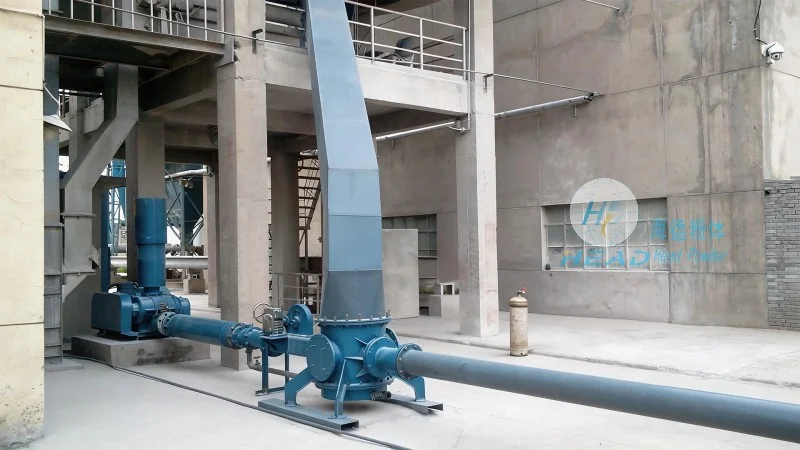
2.2 Negative Pressure (Vacuum) Pneumatic Conveying
Negative pressure pneumatic conveying, or vacuum conveying, uses a vacuum to draw particles into the pipeline. The system includes a vacuum pump, a hopper, and a pipeline. The vacuum creates a pressure differential that pulls the particles from the source into the pipeline. This method is suitable for longer distances and is often used when the particles are more cohesive or have higher moisture content. Vacuum conveying is particularly effective for handling fine particles that may be prone to dusting or clogging.
3. Gravity Conveying
Gravity conveying relies on the natural force of gravity to move particles from a higher to a lower elevation. This method is simple and cost-effective for short vertical or inclined distances. It typically involves chutes or sloped pipelines that allow the particles to flow under the influence of gravity. However, gravity conveying is limited by the distance and the angle of inclination, and it may not be suitable for fine or cohesive particles that tend to stick to the surface.
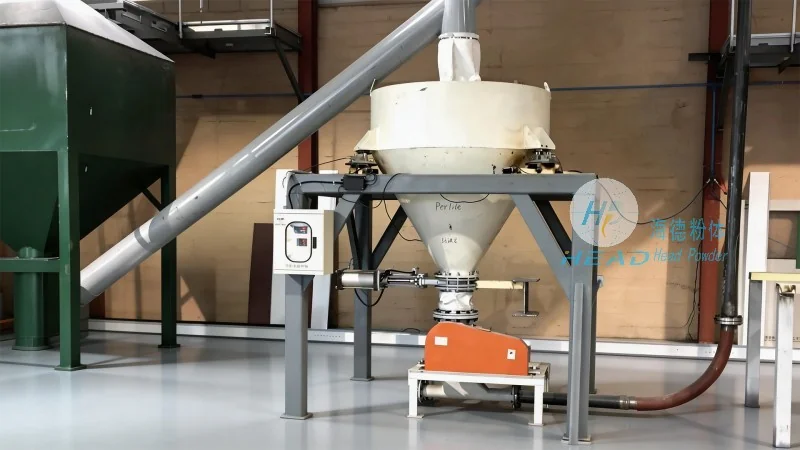
Applications of Carbon Particle Conveying
The choice of conveying method significantly impacts the performance and efficiency of industrial processes. Mechanical conveyors are often used in bulk material handling for general-purpose applications. Pneumatic systems, especially positive and negative pressure variants, are preferred for carbon particles due to their ability to handle fine powders and maintain product integrity. Gravity systems are used in specific scenarios where the distance and particle characteristics align with their limitations.
Conclusion
Efficient carbon particle conveying is essential for industries that rely on carbon-based materials. The selection of the appropriate conveying method depends on various factors, including particle properties, distance, and operational requirements. Mechanical, pneumatic, and gravity systems each offer unique advantages and are chosen based on the specific needs of the application. As technology advances, the development of more sophisticated conveying systems continues to improve the efficiency and reliability of carbon particle transportation. Companies like Shandong HeadPowder Engineering Co., Ltd. specialize in providing tailored solutions for carbon particle handling, ensuring that industries can achieve optimal performance and product quality.

 Công ty TNHH Kỹ thuật Công trình Bột Hải Đức Sơn Đông
 156-6277-7102(Quản lý Trương)
  0531-83386006
  Quận Chương Khâu, Thành phố Tế Nam, Tỉnh Sơn Đông, Trung Quốc
Điện thoại
WeChatTư vấn
Lên đầu