Công ty Hải Đức Bột với hơn 10 năm kinh nghiệm vận chuyển khí, cung cấp hệ thống‑thiết bị‑quạt gió và nhận dự án tổng thầu bột cả nước
Efficient and reliable grain and bulk material handling is a critical aspect of modern agricultural and industrial operations. The choice of conveying method significantly impacts productivity, cost-effectiveness, and the overall quality of the material being transported. In this context, understanding the various grain conveying methods available is essential for optimizing processes and ensuring smooth operations.
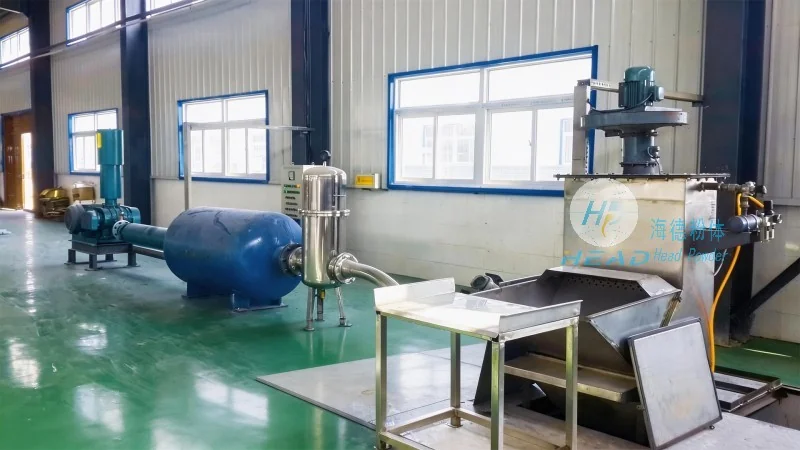
Overview of Common Grain Conveying Methods
Grain and bulk material conveying involves the movement of materials from one location to another within a processing facility or between different stages of production. Several conventional methods are widely used, each with its own advantages and limitations. These include mechanical conveyors such as belt conveyors, screw conveyors, and bucket elevators, which rely on physical contact and mechanical power to move materials. While effective for certain applications, these systems may face challenges in handling fine or dusty materials, requiring additional dust control measures.
Pneumatic Conveying: A Modern Solution for Grain Transport
Among the various grain conveying methods, pneumatic conveying stands out as a versatile and efficient solution, particularly for handling dry, free-flowing materials like grains. Pneumatic conveying systems utilize air or gas to transport materials through a pipeline, eliminating the need for physical contact and reducing the risk of contamination. This method is particularly advantageous for applications requiring long-distance transport, high throughput, and minimal material degradation.
HeadPowder, a leading provider of engineering solutions for material handling, specializes in the design and implementation of advanced pneumatic conveying systems tailored to the specific needs of the grain industry. With years of experience and a deep understanding of material characteristics, HeadPowder ensures that their systems are optimized for efficiency, reliability, and cost-effectiveness.
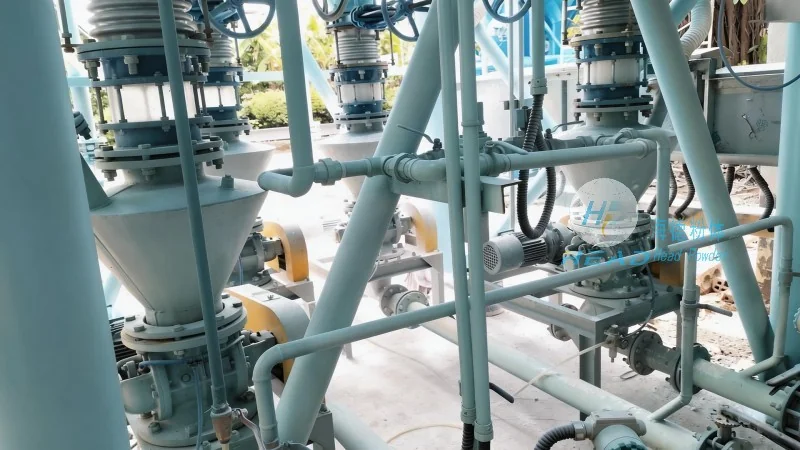
Key Features and Benefits of Pneumatic Conveying
One of the primary benefits of pneumatic conveying is its ability to handle a wide range of grain types and sizes without the need for additional processing. The system can transport materials in both dilute-phase and dense-phase modes, offering flexibility in application. Dilute-phase conveying uses low air velocity to move materials, suitable for short to medium distances, while dense-phase conveying employs higher air pressure to move material in a more compact form, ideal for longer distances and higher material loads.
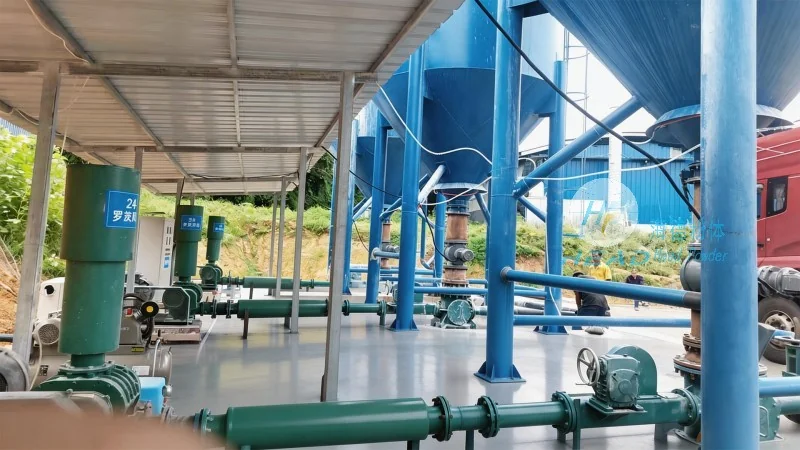
Another significant advantage is the reduced risk of material degradation compared to mechanical systems. Since materials are not in direct contact with moving parts, there is minimal risk of breakage or contamination, preserving the quality of the grain. Additionally, pneumatic conveying systems are relatively easy to install and maintain, with fewer moving parts compared to traditional mechanical conveyors, leading to lower operational costs and downtime.
HeadPowder's Commitment to Quality and Innovation
Shandong HeadPowder Engineering Co., Ltd., based in China, is dedicated to delivering high-quality, customized pneumatic conveying solutions for the grain industry. The company's expertise lies in understanding the unique challenges faced by grain processors and tailoring systems that meet their specific requirements. From initial consultation and system design to installation and ongoing support, HeadPowder ensures that each project is handled with precision and care.
HeadPowder's team of engineers and technicians work closely with clients to assess their material handling needs, considering factors such as grain type, throughput requirements, and operational constraints. This collaborative approach ensures that the final system is not only efficient but also cost-effective and sustainable. The company's commitment to innovation is reflected in its use of advanced technology and materials, ensuring that their systems remain at the forefront of grain conveying technology.
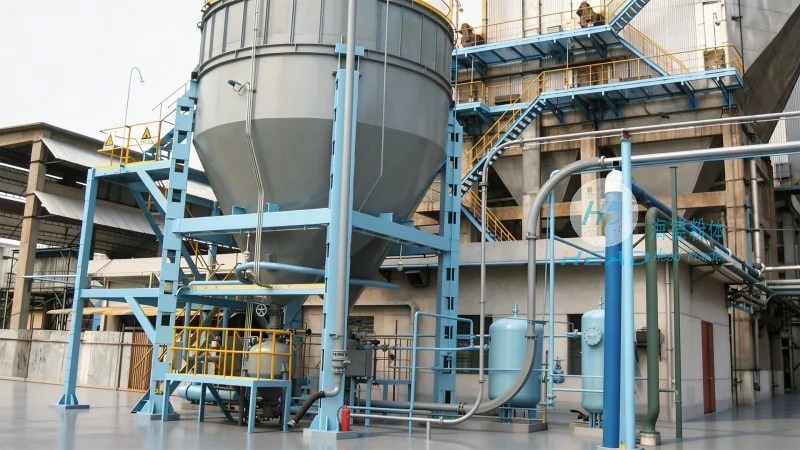
Conclusion: Choosing the Right Conveying Method for Your Needs
When selecting a grain conveying method, it is crucial to consider factors such as material characteristics, distance, throughput, and operational environment. While mechanical conveyors may be suitable for certain applications, pneumatic conveying offers a superior solution for many grain processing operations. With its efficiency, flexibility, and minimal material degradation, pneumatic conveying is increasingly becoming the preferred choice for modern grain handling.
For businesses seeking reliable and efficient grain conveying solutions, HeadPowder provides a comprehensive range of services and products. With a focus on quality, innovation, and customer satisfaction, HeadPowder is the ideal partner for optimizing grain transport processes and enhancing overall operational performance.

 Công ty TNHH Kỹ thuật Công trình Bột Hải Đức Sơn Đông
 156-6277-7102(Quản lý Trương)
  0531-83386006
  Quận Chương Khâu, Thành phố Tế Nam, Tỉnh Sơn Đông, Trung Quốc
Điện thoại
WeChatTư vấn
Lên đầu