Công ty Hải Đức Bột với hơn 10 năm kinh nghiệm vận chuyển khí, cung cấp hệ thống‑thiết bị‑quạt gió và nhận dự án tổng thầu bột cả nước
For industrial applications that rely on calcined lime, selecting the right transport method is crucial for efficiency, safety, and cost-effectiveness. This article explores common calcined lime transport methods, with a focus on the advantages and applications of pneumatic transport systems.
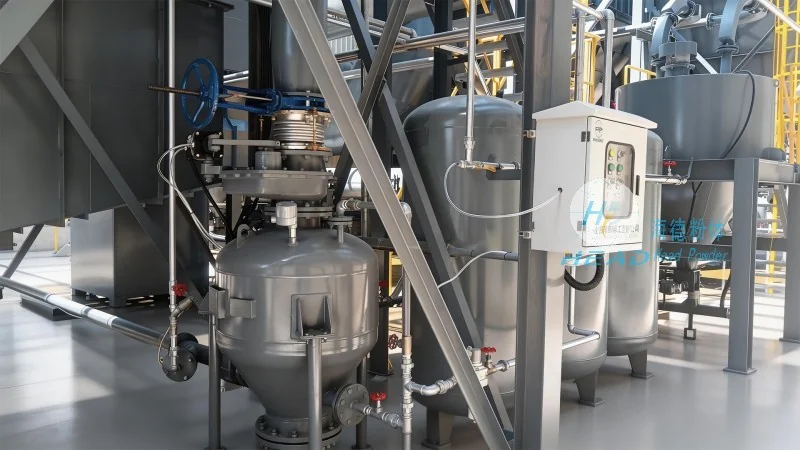
About Shandong HeadPowder Engineering Co., Ltd.
Shandong HeadPowder Engineering Co., Ltd., commonly known as headpowder, is a leading manufacturer and supplier of calcined lime transport solutions. With a strong commitment to quality and innovation, the company provides comprehensive services tailored to the needs of various industries, including chemical, environmental, and construction sectors. Headpowder’s headquarters is located in Shandong, China, where the company’s team of experts develops and manufactures advanced transport equipment designed to optimize material handling processes.
Understanding Calcined Lime and Its Transport Requirements
Calcined lime, also known as quicklime, is a widely used industrial material derived from limestone through high-temperature calcination. It is commonly utilized in processes such as flue gas desulfurization, water treatment, and soil stabilization. Due to its high reactivity and potential for dust generation, the transport of calcined lime requires specialized equipment and methods to ensure safety, minimize environmental impact, and maintain product integrity. Traditional transport methods, like belt conveyors or trucking, may face challenges with dust control and material degradation, making advanced solutions like pneumatic transport increasingly popular.
Common Calcined Lime Transport Methods
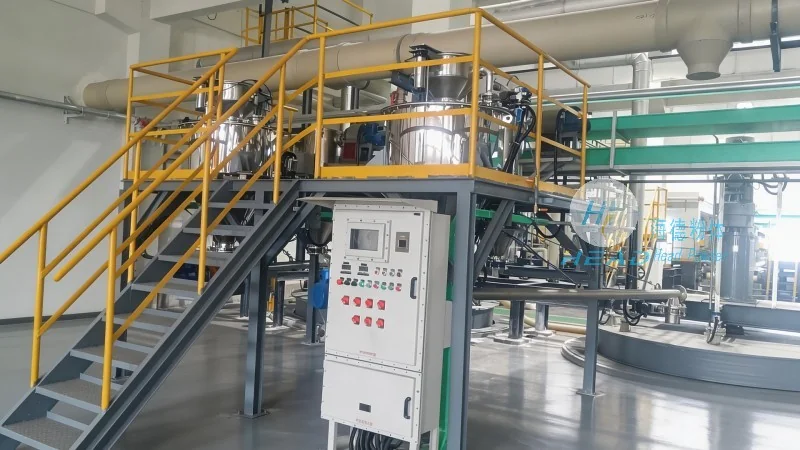
Several methods are employed for transporting calcined lime, each with its own advantages and limitations. The primary options include:
Belt Conveyors: A traditional method where calcined lime is moved along a continuous belt. While effective for horizontal and slight incline transport, belt conveyors may struggle with vertical lifts and can generate dust, requiring additional containment measures.
Truck and Rail Transport: Bulk transport using trucks or railcars is common for long-distance movement. However, this method is often less flexible and may involve higher costs and longer lead times compared to on-site transport solutions.
Pneumatic Transport: This method uses air pressure to move calcined lime through a pipeline system. Pneumatic transport offers several benefits, including dust-free operation, high efficiency, and the ability to transport materials over long distances with minimal maintenance.
Pneumatic Transport of Calcined Lime: Advantages and Applications
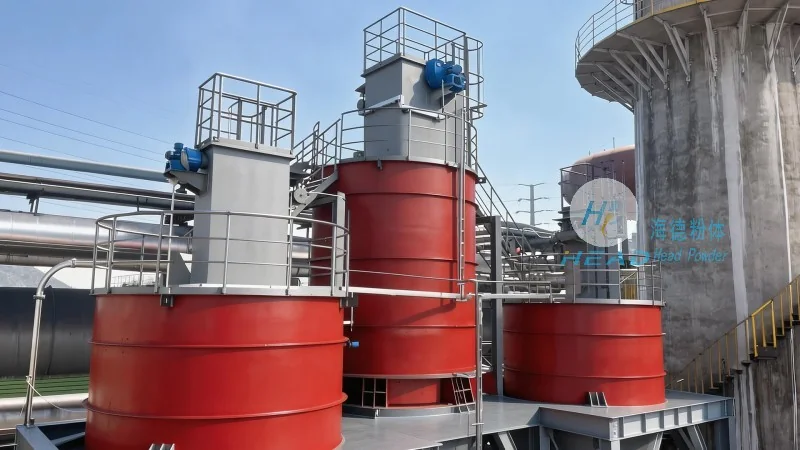
Pneumatic transport systems for calcined lime are designed to handle the material’s characteristics effectively. The process involves feeding calcined lime into a hopper, where it is then conveyed through a pipeline using compressed air. Key advantages of this method include:
Dust-Free Operation: Pneumatic systems are enclosed, preventing dust from escaping into the environment and reducing health risks for workers.
High Efficiency: These systems can transport large volumes of calcined lime quickly and reliably, improving overall production throughput.
Space Efficiency: Pneumatic pipelines can be installed in tight spaces or overhead, optimizing facility layout and reducing floor space requirements.
Reduced Maintenance: With fewer moving parts compared to mechanical conveyors, pneumatic systems often require less maintenance and have longer service life.
Components of a Pneumatic Calcined Lime Transport System
A typical pneumatic transport system for calcined lime consists of several key components, each playing a critical role in the material handling process:

 Công ty TNHH Kỹ thuật Công trình Bột Hải Đức Sơn Đông
 156-6277-7102(Quản lý Trương)
  0531-83386006
  Quận Chương Khâu, Thành phố Tế Nam, Tỉnh Sơn Đông, Trung Quốc
Điện thoại
WeChatTư vấn
Lên đầu