Công ty Hải Đức Bột với hơn 10 năm kinh nghiệm vận chuyển khí, cung cấp hệ thống‑thiết bị‑quạt gió và nhận dự án tổng thầu bột cả nước
Polycarbonate, a versatile and durable thermoplastic, is widely used in various industrial applications where material handling and transportation are critical. The efficient conveyance of polycarbonate materials requires careful consideration of the material's properties, such as its lightweight nature, high impact resistance, and transparency, alongside the operational demands of the production environment. Understanding the different methods of polycarbonate conveyance is essential for optimizing workflow, ensuring product integrity, and enhancing overall operational efficiency.
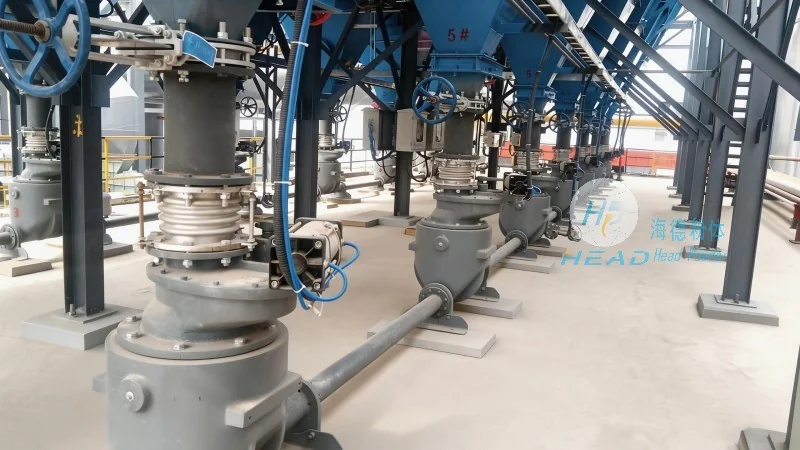
HeadPowder, a leading provider of engineering solutions, specializes in designing and implementing effective conveyance systems tailored to the unique needs of polycarbonate processing facilities. With a focus on innovation and precision, the company leverages its expertise to deliver customized solutions that address the challenges of handling this specialized material. Based in Shandong, China, HeadPowder Engineering Co., Ltd. combines years of industry experience with advanced technology to meet the evolving demands of modern manufacturing.
Gravity Conveyance Systems for Polycarbonate
One of the most common and cost-effective methods for polycarbonate conveyance is gravity-based systems. These systems utilize the natural force of gravity to move materials along inclined or sloped pathways, reducing the need for additional power sources and mechanical components. Gravity conveyors are particularly suitable for applications where the material is lightweight and can be easily guided along a smooth, low-friction surface. The design of these systems typically involves a series of rollers or a belt that allows the polycarbonate pieces to slide or roll down the conveyor, minimizing the risk of damage and ensuring a gentle handling process.
For polycarbonate, which is often used in the production of optical components, automotive parts, and consumer electronics, gravity conveyance can help maintain the material's clarity and surface finish. The absence of moving parts that could cause abrasion or scratching makes this method ideal for sensitive applications. Additionally, gravity systems are energy-efficient, as they rely on the material's own weight to drive the movement, leading to lower operational costs and reduced environmental impact.
Mechanical Conveyance: Belt and Chain Conveyors
When higher throughput or more complex material handling is required, mechanical conveyance systems such as belt and chain conveyors become essential. These systems utilize powered mechanisms to move polycarbonate materials over longer distances or through more intricate pathways. Belt conveyors are particularly effective for transporting flat or irregularly shaped polycarbonate pieces, as the flexible belt can conform to the material's shape and prevent damage. The smooth surface of the belt also reduces friction, ensuring that the material is moved without excessive force or abrasion.
Chain conveyors, on the other hand, are ideal for applications involving heavier or bulkier polycarbonate items, such as large sheets or molded parts. The robust chain and sprocket system provides the necessary traction to move these materials efficiently, even when operating at higher speeds or under heavy loads. Both belt and chain conveyors can be customized with features like adjustable speed controls, variable incline angles, and integrated sorting mechanisms, allowing for greater flexibility in handling different types of polycarbonate products.
Pneumatic Conveyance: Air-Driven Systems
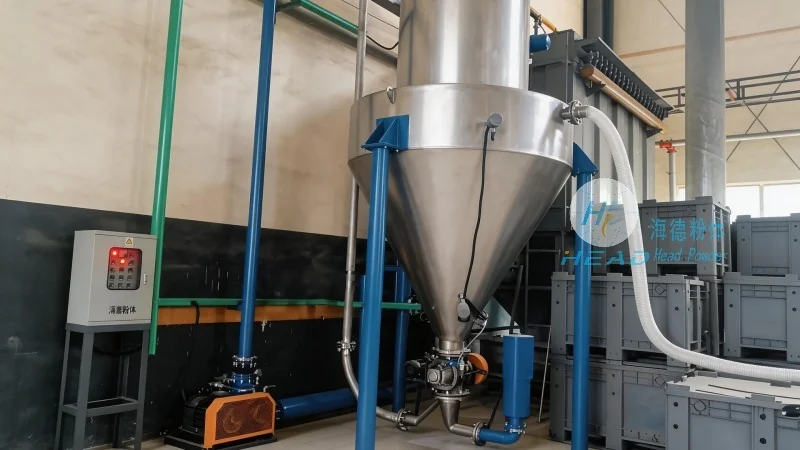
For applications that demand high-speed, low-profile conveyance, pneumatic systems offer a reliable solution. These systems use compressed air to transport polycarbonate particles or small components through a network of pipes or ducts. Pneumatic conveyance is particularly advantageous for handling fine polycarbonate powders or granules, as the air stream can carry the material over long distances without the need for physical contact. This method is also effective for applications where contamination must be minimized, as the enclosed system prevents dust or particles from escaping into the environment.
The design of pneumatic conveyance systems for polycarbonate typically involves a combination of positive and negative pressure modes. Positive pressure systems push the material through the ducts using compressed air, while negative pressure systems create a vacuum to draw the material in. This flexibility allows for the optimization of the system based on the specific characteristics of the polycarbonate material, such as its density and particle size. Pneumatic conveyors are often used in the manufacturing of polycarbonate films, where the material is processed in thin, flexible sheets that require gentle handling and precise control.
Vertical Conveyance: Elevators and Lifts
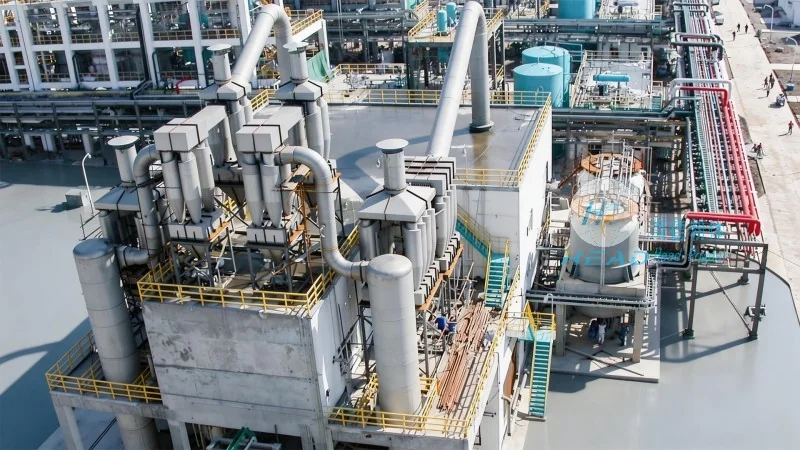
When vertical movement is necessary for polycarbonate materials, vertical conveyance systems such as elevators and lifts are commonly employed. These systems are designed to transport materials between different levels of a facility, ensuring that the workflow remains continuous and efficient. Vertical conveyors can be either mechanical or hydraulic, depending on the load capacity and operational requirements. Mechanical elevators, such as chain or screw lifts, are suitable for lighter loads and shorter vertical distances, while hydraulic lifts are preferred for heavier or larger polycarbonate items that require more force to move.
For polycarbonate applications involving large sheets or panels, vertical conveyance systems can be equipped with features like adjustable speed controls and safety mechanisms to prevent accidents. The smooth operation of these systems is crucial for maintaining the material's integrity, as sudden stops or jerky movements can cause scratches or deformations. Vertical conveyors are often integrated with horizontal conveyors to form a complete material handling system, allowing for seamless movement of polycarbonate materials from one level to another.

 Công ty TNHH Kỹ thuật Công trình Bột Hải Đức Sơn Đông
 156-6277-7102(Quản lý Trương)
  0531-83386006
  Quận Chương Khâu, Thành phố Tế Nam, Tỉnh Sơn Đông, Trung Quốc
Điện thoại
WeChatTư vấn
Lên đầu