Công ty Hải Đức Bột với hơn 10 năm kinh nghiệm vận chuyển khí, cung cấp hệ thống‑thiết bị‑quạt gió và nhận dự án tổng thầu bột cả nước
When it comes to the transportation of silicon dioxide, various methods are employed depending on the specific application, material characteristics, and operational requirements. Understanding these methods is crucial for ensuring efficient and safe handling of this versatile material. This article will explore the primary approaches used in the industry, focusing on the practical aspects and considerations for each method.
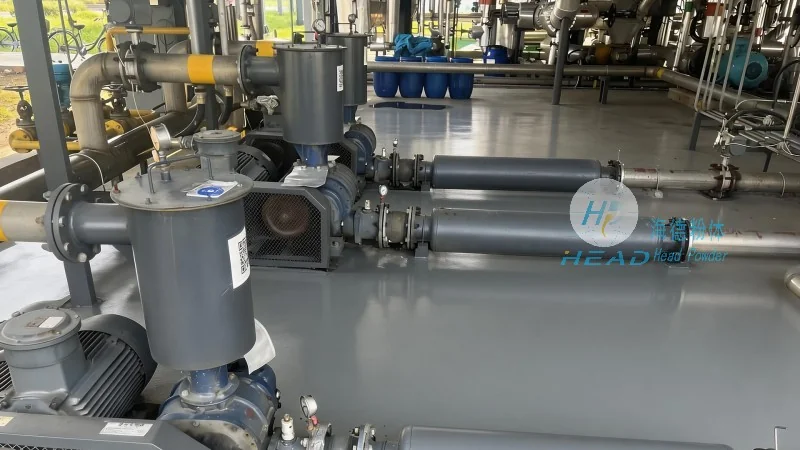
1. Bulk Material Handling with Conveyor Systems
One of the most common methods for transporting silicon dioxide is through bulk material handling using conveyor systems. These systems are widely used in industrial settings due to their efficiency and ability to handle large volumes of material. Conveyor belts, screw conveyors, and pneumatic conveyors are among the key equipment used for this purpose. The choice of conveyor type depends on factors such as the particle size, moisture content, and the distance over which the material needs to be transported. For instance, belt conveyors are ideal for transporting larger particles over longer distances, while screw conveyors are suitable for smaller, more uniform particles. Pneumatic conveyors, on the other hand, use air pressure to move the material through a pipeline, making them suitable for fine powders that might be prone to dusting or clogging in traditional systems. The company, Shandong HeadPowder Engineering Co., Ltd., specializes in providing tailored conveyor solutions that meet the specific needs of clients, ensuring reliable and efficient transport of silicon dioxide in various industrial applications.
2. Pneumatic Conveying for Fine Powders
Pneumatic conveying is a highly effective method for transporting fine silicon dioxide powders, especially when dealing with materials that are prone to dusting or require a dust-free environment. This method involves using air pressure to move the material through a pipeline. There are two main types of pneumatic conveying systems: positive pressure and negative pressure. Positive pressure systems blow air into the pipeline, pushing the material forward, while negative pressure systems create a vacuum that pulls the material into the line. The selection of the appropriate system depends on factors like the material's flowability, the distance to be covered, and the need for dust control. Pneumatic conveying offers advantages such as reduced labor costs, minimal equipment wear, and the ability to transport materials over long distances without the need for multiple transfer points. However, it requires careful consideration of air pressure requirements and the potential for material degradation if not properly controlled. The company, HeadPowder, has extensive experience in designing and implementing pneumatic conveying systems that ensure the safe and efficient transport of silicon dioxide, adhering to industry standards and client specifications.
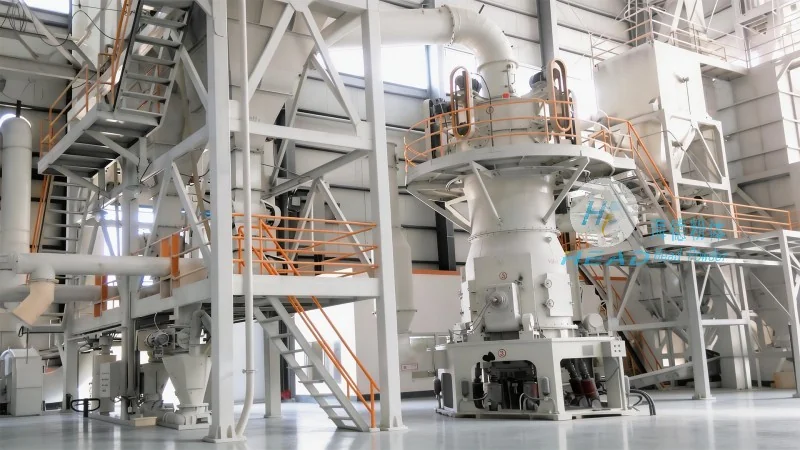
3. Bulk Bag (FIBC) Handling and Transfer
Bulk bag handling is another common method for transporting silicon dioxide, particularly in bulk quantities. These flexible intermediate bulk containers (FIBCs) are used to store and transport large volumes of material, making them ideal for logistics and supply chain operations. The process typically involves loading the bulk bag with silicon dioxide using a hopper or loading system, followed by securing the bag and transferring it to the destination. Once at the receiving location, the material is discharged through a bottom spout or by cutting the bag open. This method is particularly useful for transporting silicon dioxide to construction sites, manufacturing facilities, or other end-use locations where large quantities are required. The company, Shandong HeadPowder Engineering Co., Ltd., provides comprehensive bulk bag handling solutions, including loading, transportation, and unloading services, ensuring that the material is handled with care and delivered in a timely manner. The use of bulk bags also offers advantages such as cost-effectiveness, flexibility in storage and transport, and reduced handling risks compared to traditional packaging methods.
4. Tank Truck and Container Transport
For liquid or slurry forms of silicon dioxide, tank trucks and containers are commonly used for transportation. These vehicles are designed to transport materials in a liquid or semi-liquid state, ensuring that the material remains stable during transit. The tank trucks are equipped with specialized tanks that are sealed and insulated to prevent contamination or temperature changes. The transportation process involves loading the material into the tank at the source, followed by transporting it to the destination. Upon arrival, the material is discharged into a storage tank or processing equipment. This method is particularly suitable for transporting silicon dioxide in its liquid or slurry form, such as in the production of silica sols or other derivatives. The company, HeadPowder, offers tank truck transport services that adhere to strict safety and regulatory standards, ensuring that the material is transported safely and efficiently. The use of tank trucks allows for the transportation of large volumes of material over long distances, making it a preferred choice for industrial applications where bulk liquid transport is required.
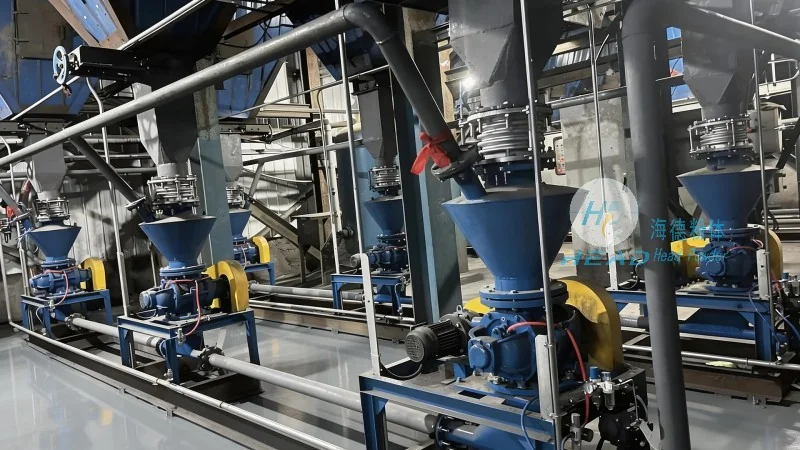
5. Specialized Equipment for Hazardous or High-Value Materials
In some cases, silicon dioxide may be transported as part of a hazardous or high-value material, requiring specialized equipment and procedures. This could include the use of enclosed transport vehicles, temperature-controlled containers, or specialized handling equipment to prevent contamination or damage. The company, Shandong HeadPowder Engineering Co., Ltd., has expertise in handling such specialized transport requirements, ensuring that the material is transported in compliance with all relevant regulations and industry standards. Specialized equipment may also be used for materials that are sensitive to moisture or air, such as certain types of silica powders used in pharmaceutical or electronic applications. The use of such equipment ensures that the material remains in optimal condition throughout the transportation process, minimizing the risk of degradation or loss.
6. Considerations for Safe and Efficient Transport
Regardless of the method chosen for transporting silicon dioxide, several key considerations must be taken into account to ensure safety and efficiency. These include proper material handling procedures, adherence to safety regulations, and regular maintenance of equipment. The company, HeadPowder, emphasizes the importance of these considerations in all its operations, ensuring that clients receive reliable and safe transport services. Factors such as the material's particle size, moisture content, and flowability can significantly impact the choice of transport method, and it is essential to conduct thorough assessments before selecting a system. Additionally, environmental considerations, such as dust control and emissions, should be addressed to minimize the impact of transportation on the environment. By considering these factors, companies can ensure that the transport of silicon dioxide is both efficient and sustainable, meeting the needs of modern industrial operations.

 Công ty TNHH Kỹ thuật Công trình Bột Hải Đức Sơn Đông
 156-6277-7102(Quản lý Trương)
  0531-83386006
  Quận Chương Khâu, Thành phố Tế Nam, Tỉnh Sơn Đông, Trung Quốc
Điện thoại
WeChatTư vấn
Lên đầu