Công ty Hải Đức Bột với hơn 10 năm kinh nghiệm vận chuyển khí, cung cấp hệ thống‑thiết bị‑quạt gió và nhận dự án tổng thầu bột cả nước
When it comes to transporting lime powder, selecting the right method is crucial for ensuring efficiency, safety, and cost-effectiveness in industrial operations. As a leading provider in the field, Shandong HeadPowder Engineering Co., Ltd. offers insights into various transportation options tailored to different industrial needs. This article explores the common methods used for lime powder transport, highlighting their advantages and applications.
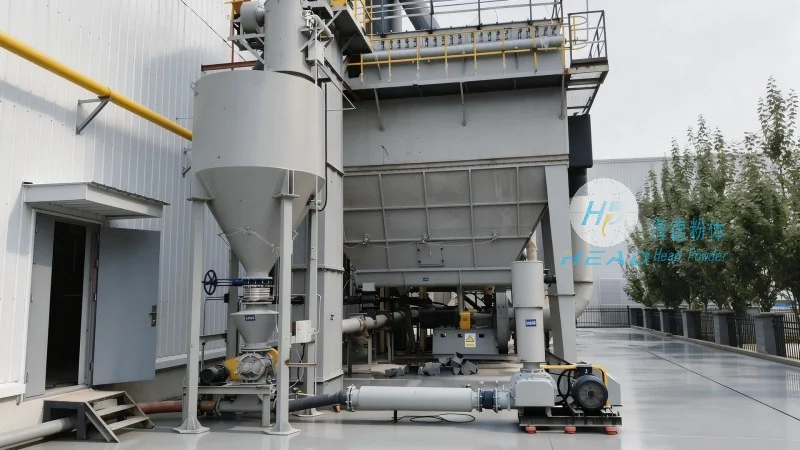
Understanding Lime Powder Characteristics for Transport
Lime powder, primarily composed of calcium oxide or calcium hydroxide, is a fine, dry powder with specific properties that influence its handling and transportation. Its light weight, dustiness, and potential reactivity with moisture or air require careful consideration when choosing a transport system. Proper understanding of these characteristics helps in selecting the most suitable method to minimize material loss, prevent contamination, and ensure compliance with safety regulations.
Common Methods for Lime Powder Transport
Several methods are widely used for transporting lime powder, each with its own set of advantages and limitations. The choice of method depends on factors such as the scale of operation, distance, environmental conditions, and the specific requirements of the end-use application. Here are some of the most common approaches:
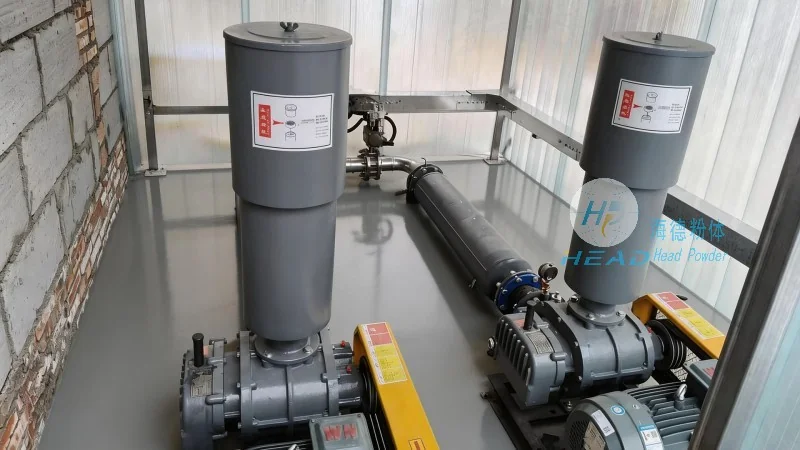
Pneumatic Conveying Systems
Pneumatic conveying is a popular method for transporting lime powder due to its ability to handle fine powders over relatively long distances. This system uses air pressure or vacuum to move the powder through a pipeline. There are two main types: pressure and vacuum systems. Pressure systems use compressed air to push the powder forward, while vacuum systems use suction to draw the material. Pneumatic conveyors are particularly effective for transporting lime powder in manufacturing plants, where it is used in processes like flue gas desulfurization or as a raw material in cement production.
Truck and Rail Transportation
For bulk transport over longer distances, truck and rail are common options. Trucks equipped with specialized containers or bulk trailers are used to transport lime powder in bulk quantities. These vehicles are designed to minimize dust exposure and prevent material spillage. Rail transport, using covered hopper cars, is another viable option, especially for large-scale industrial operations that require consistent and reliable delivery of lime powder to multiple sites. Both truck and rail methods are suitable for transporting lime powder to construction sites, power plants, and other industrial facilities.
Bagging and Bulk Bag (FIBC) Handling
When lime powder is transported in bulk bags or sacks, specialized equipment is used to load and unload these containers. Bulk bags are often filled using a top-loading system or a bottom-discharge mechanism, depending on the handling requirements. These bags are then transported by trucks or rail to the destination. The advantage of this method is that it allows for easy storage and handling at the receiving site, as bulk bags can be stored in warehouses or silos without the need for additional packaging. This method is commonly used for transporting lime powder to construction projects or industrial sites where it is used as a building material or in chemical processes.
Conveyor Systems
Conveyor systems, including belt conveyors and screw conveyors, are widely used for transporting lime powder within industrial facilities. Belt conveyors are ideal for moving lime powder over short to medium distances, while screw conveyors are suitable for vertical or inclined transport. These systems are designed to handle fine powders and prevent material buildup or clogging. Conveyor systems are commonly used in manufacturing plants to transport lime powder from storage silos to processing equipment or to different parts of the production line. They provide a continuous and efficient method of moving lime powder without the need for manual handling.
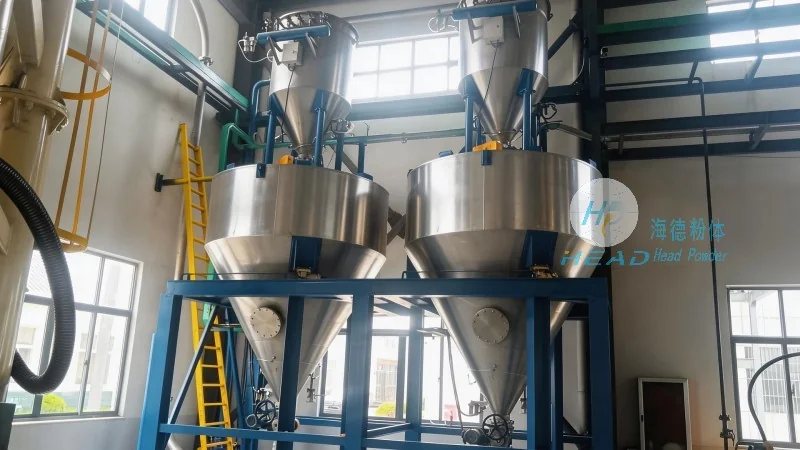
Factors to Consider When Choosing a Transport Method
When selecting a method for transporting lime powder, several factors must be considered to ensure optimal performance and safety. The first is the scale of the operation, as small-scale applications may require different equipment than large-scale industrial operations. The distance between the source and destination is another critical factor, as it determines whether a pneumatic system or truck/rail transport is more cost-effective. Environmental conditions, such as temperature and humidity, can also impact the choice of transport method, as lime powder is sensitive to moisture and can clump if exposed to high humidity. Additionally, safety regulations and compliance requirements must be taken into account, as transporting fine powders can pose dust explosion risks if not handled properly. Shandong HeadPowder Engineering Co., Ltd. provides expert guidance on selecting the most suitable transport method based on these factors, ensuring that clients receive tailored solutions that meet their specific needs.
Conclusion
Transporting lime powder efficiently and safely requires careful consideration of the material's properties and the operational requirements. By understanding the various transport methods available and their respective advantages, industrial operators can choose the most suitable approach for their needs. Whether using pneumatic conveyors, trucks, rail, bulk bags, or conveyor systems, the key is to select a method that minimizes material loss, ensures compliance with safety regulations, and supports the overall efficiency of the industrial process. Shandong HeadPowder Engineering Co., Ltd. remains committed to providing high-quality solutions for lime powder transport, helping clients optimize their operations and achieve their business goals.

 Công ty TNHH Kỹ thuật Công trình Bột Hải Đức Sơn Đông
 156-6277-7102(Quản lý Trương)
  0531-83386006
  Quận Chương Khâu, Thành phố Tế Nam, Tỉnh Sơn Đông, Trung Quốc
Điện thoại
WeChatTư vấn
Lên đầu