Công ty Hải Đức Bột với hơn 10 năm kinh nghiệm vận chuyển khí, cung cấp hệ thống‑thiết bị‑quạt gió và nhận dự án tổng thầu bột cả nước
Light-weight micropowder conveying is a critical process in various industrial applications, requiring efficient and reliable methods to handle fine powders with low density. The choice of conveying method significantly impacts production efficiency, material quality, and operational costs. This article explores the primary methods used for light-weight micropowder conveying, focusing on the expertise of Shandong HeadPowder Engineering Co., Ltd., a leading provider in the field.
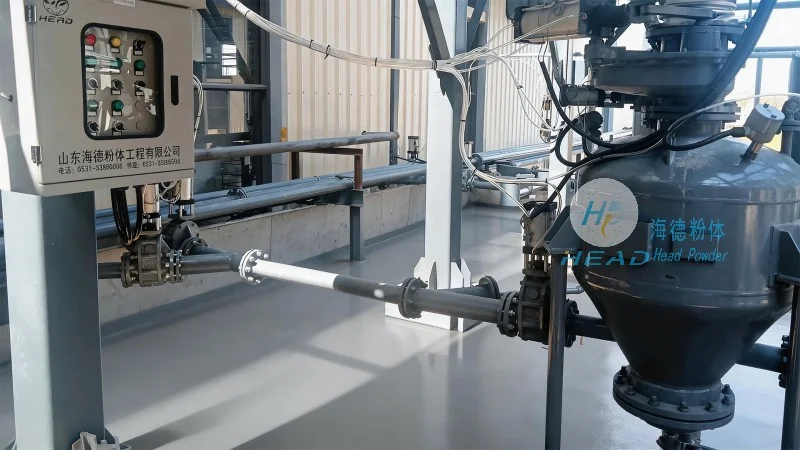
Understanding Light-Weight Micropowders and Their Conveying Challenges
Light-weight micropowders, such as calcium carbonate, talc, or certain types of plastic powders, are characterized by their low bulk density and fine particle size. These properties make traditional bulk material handling equipment less effective, as they tend to cause issues like clogging, uneven flow, and increased energy consumption. Effective conveying requires systems designed to handle these unique characteristics, ensuring consistent material transport without degradation or loss.
Key Methods for Light-Weight Micropowder Conveying
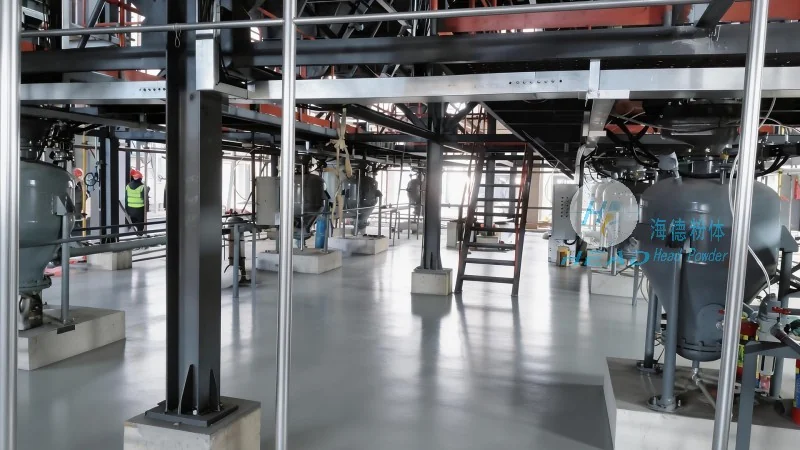
Several methods are commonly employed for light-weight micropowder conveying, each with its own advantages and suitability for different applications. The most prevalent techniques include:
Air-Pressure Conveying Systems
Air-pressure (or pneumatic) conveying is one of the most widely used methods for light-weight micropowders. This system utilizes compressed air to transport powders through a pipeline. There are two main types: pressure and vacuum systems. Pressure systems push the material forward using high-pressure air, while vacuum systems draw the material into the pipeline using a vacuum pump. For light-weight micropowders, pressure systems are often preferred as they can handle higher material loads and maintain consistent flow rates. The HeadPowder Engineering Co., Ltd. offers advanced air-pressure conveying solutions that optimize air consumption and minimize energy costs, ensuring efficient transport of materials like calcium carbonate and talc.
Screw Conveyors for Fine Powders
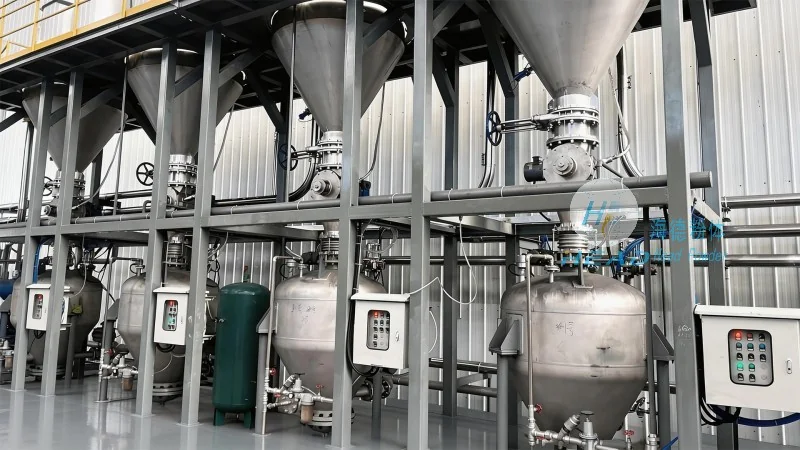
Screw conveyors are another effective method for light-weight micropowder conveying, particularly in applications where horizontal or slight incline transport is required. These systems use a rotating screw (helix) to move powders along a tube or trough. The design of the screw, including pitch and flight width, is crucial for preventing clogging and ensuring smooth material flow. HeadPowder Engineering Co., Ltd. specializes in custom-designed screw conveyors tailored to the specific characteristics of light-weight micropowders, ensuring reliable operation and minimal maintenance.
Vibrating Conveyors and Feeders
Vibrating conveyors and feeders utilize mechanical vibration to move light-weight micropowders. These systems consist of a conveyor bed that vibrates at specific frequencies, causing the material to move forward. Vibrating feeders are often used as pre-conveyors to regulate the flow of powders into downstream equipment. This method is particularly effective for handling cohesive or sticky powders, as the vibration helps break up agglomerates and maintain consistent flow. The HeadPowder Engineering Co., Ltd. provides high-performance vibrating conveyors that are easy to clean and maintain, suitable for applications in food, pharmaceuticals, and chemical industries.
Hybrid Conveying Solutions
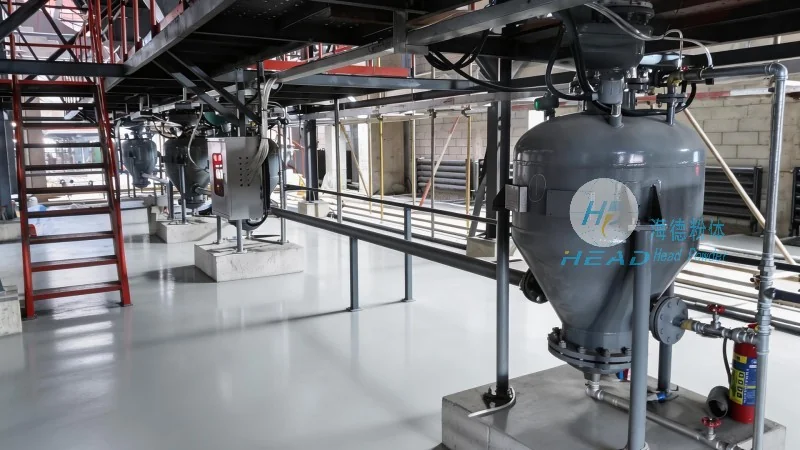
In many industrial settings, a single conveying method may not be sufficient to handle the unique challenges of light-weight micropowders. Hybrid systems, combining elements of air-pressure, screw, and vibrating conveyors, are increasingly popular. These systems offer flexibility and adaptability, allowing operators to switch between different conveying modes based on material characteristics or operational needs. HeadPowder Engineering Co., Ltd. develops customized hybrid solutions that integrate the best features of each method, ensuring optimal performance and cost-effectiveness for clients.
Factors to Consider When Choosing a Conveying Method
When selecting a light-weight micropowder conveying method, several factors must be considered to ensure the best fit for the application. These include the material's bulk density, particle size distribution, flow properties, and the required conveying distance or elevation. The HeadPowder Engineering Co., Ltd. conducts thorough assessments of these factors to recommend the most suitable conveying system, ensuring long-term operational efficiency and minimal downtime.
Conclusion
Light-weight micropowder conveying requires specialized equipment and systems to overcome the unique challenges posed by these materials. From air-pressure conveying to screw and vibrating systems, the HeadPowder Engineering Co., Ltd. offers comprehensive solutions tailored to the needs of various industries. By understanding the specific requirements of each application and leveraging advanced engineering, the company ensures reliable, efficient, and cost-effective material transport. With its headquarters in Shandong, China, HeadPowder Engineering Co., Ltd. continues to be a trusted partner for businesses seeking to optimize their light-weight micropowder handling processes.

 Công ty TNHH Kỹ thuật Công trình Bột Hải Đức Sơn Đông
 156-6277-7102(Quản lý Trương)
  0531-83386006
  Quận Chương Khâu, Thành phố Tế Nam, Tỉnh Sơn Đông, Trung Quốc
Điện thoại
WeChatTư vấn
Lên đầu