Công ty Hải Đức Bột với hơn 10 năm kinh nghiệm vận chuyển khí, cung cấp hệ thống‑thiết bị‑quạt gió và nhận dự án tổng thầu bột cả nước
For manufacturers in the lithium-ion battery industry, the efficient and safe transportation of nanomaterials is a critical challenge. Nanomaterials such as graphite, silicon, and other active materials used in battery production are often in powder form, requiring specialized handling to prevent agglomeration and maintain quality. Traditional conveying methods like belt conveyors or screw conveyors may not be suitable for these fine powders due to issues like material sticking, blockage, or contamination. This article explores common methods for transporting lithium-ion battery nanomaterials and highlights the advantages of air-driven conveying technology from Shandong HeadPowder Engineering Co., Ltd.
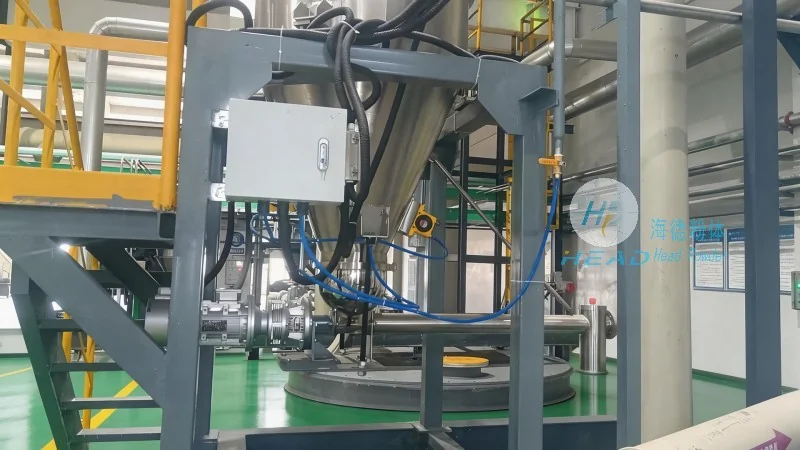
Overview of Common Lithium-Ion Battery Nanomaterial Conveying Methods
Several conventional methods are used to transport nanomaterials in battery production facilities. These include mechanical conveying systems like belt conveyors, screw conveyors, and pneumatic conveying systems. Each method has its own characteristics and is suitable for different scenarios.
Traditional Mechanical Conveying Methods
Belt conveyors are widely used in bulk material handling due to their simplicity and low cost. However, when dealing with fine nanomaterials, belt conveyors often face challenges such as material sticking to the belt surface, which can lead to uneven material flow and potential blockages. Screw conveyors, another common option, work by rotating a screw to move material along a tube. While effective for some powders, screw conveyors can cause excessive friction and heat generation, which may affect the properties of temperature-sensitive nanomaterials. Both belt and screw conveyors rely on physical contact with the material, increasing the risk of contamination and degradation of the nanomaterials.
Pneumatic Conveying Basics
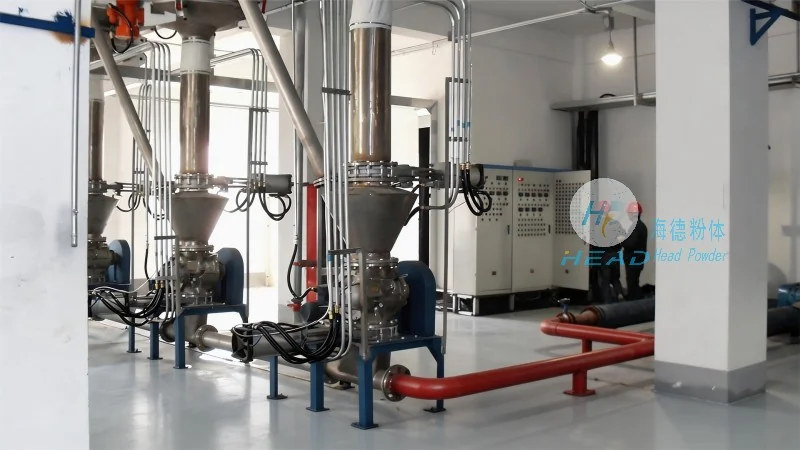
Pneumatic conveying uses air pressure to transport powders through a pipeline. It can be categorized into pressure, vacuum, or a combination of both. This method is particularly effective for fine powders and can minimize material degradation compared to mechanical systems. However, traditional pneumatic conveying systems may still have limitations, such as high energy consumption and the need for precise air pressure control to avoid material degradation or system failure.
Advantages of Air-Driven Conveying by HeadPowder
Shandong HeadPowder Engineering Co., Ltd. specializes in air-driven conveying solutions tailored for lithium-ion battery nanomaterials. Their systems are designed to address the unique challenges of handling fine powders while ensuring high efficiency and product quality. Key advantages include:
Minimal Material Contamination: The air-driven system uses enclosed pipelines, preventing contact with external contaminants and maintaining the purity of the nanomaterials.
Efficient and Gentle Handling: The system uses low-pressure air to move materials, reducing friction and preventing agglomeration or damage to the nanomaterial particles.
Energy Efficiency: Advanced designs optimize air usage, leading to lower operational costs compared to traditional mechanical systems.
Scalability and Flexibility: The systems can be customized to fit various production line layouts and can handle different material types and flow rates.
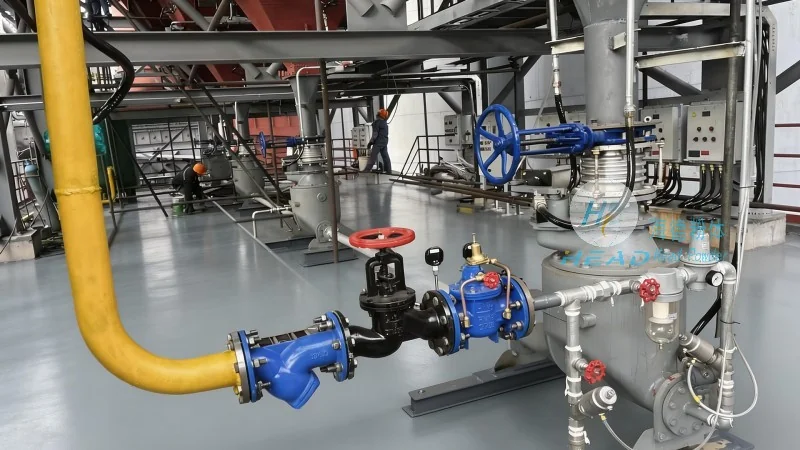
Reduced Maintenance: With fewer moving parts compared to mechanical conveyors, the air-driven systems require less maintenance and have longer service lifespans.
Application Examples in Lithium-Ion Battery Production
HeadPowder's air-driven conveying systems are widely applied in various stages of lithium-ion battery production. For example, in the raw material handling stage, the system can transport graphite or silicon powders from storage silos to mixing equipment. During the electrode production stage, it can convey active materials to coating machines, ensuring consistent material distribution. In the final assembly stage, the system can transport finished electrode sheets to the battery cell assembly line. The consistent and reliable material flow provided by these systems directly impacts the quality and performance of the final battery products.
Conclusion
When selecting a conveying method for lithium-ion battery nanomaterials, manufacturers must consider factors such as material properties, production efficiency, and product quality. While traditional mechanical methods have their uses, air-driven conveying technology offers significant advantages in handling fine powders with minimal contamination and degradation. Shandong HeadPowder Engineering Co., Ltd. provides advanced air-driven conveying solutions that meet the demanding requirements of the lithium-ion battery industry, ensuring efficient and reliable material transportation throughout the production process.

 Công ty TNHH Kỹ thuật Công trình Bột Hải Đức Sơn Đông
 156-6277-7102(Quản lý Trương)
  0531-83386006
  Quận Chương Khâu, Thành phố Tế Nam, Tỉnh Sơn Đông, Trung Quốc
Điện thoại
WeChatTư vấn
Lên đầu