Công ty Hải Đức Bột với hơn 10 năm kinh nghiệm vận chuyển khí, cung cấp hệ thống‑thiết bị‑quạt gió và nhận dự án tổng thầu bột cả nước
When it comes to handling polytrifluorochloroethylene (PTFE-CTFE), selecting the right conveying method is crucial for ensuring efficiency, safety, and product integrity. PTFE-CTFE is a specialized fluoropolymer known for its exceptional chemical resistance, thermal stability, and non-stick properties, making it widely used in industries such as semiconductor manufacturing, pharmaceuticals, and chemical processing. However, due to its unique physical characteristics—like low bulk density and potential for static buildup—traditional conveying methods may present challenges. This article explores common PTFE-CTFE conveying methods and highlights the advantages of HeadPowder's pneumatic conveying system, a leading solution for PTFE-CTFE material handling.
Common PTFE-CTFE Conveying Methods
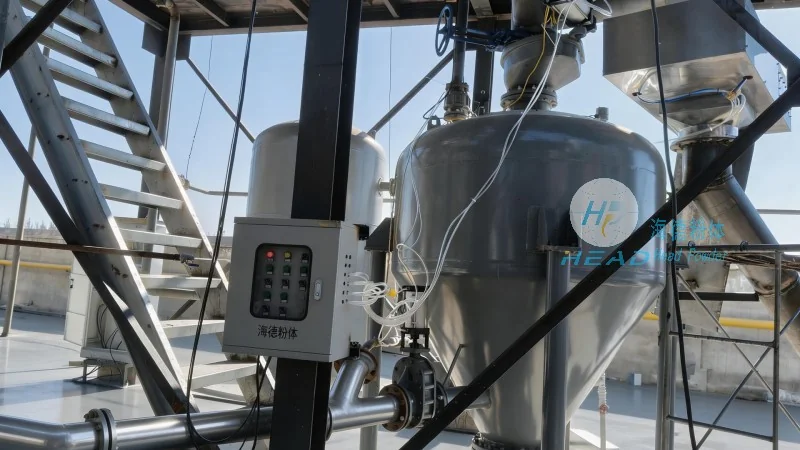
Several conventional methods are used to transport PTFE-CTFE, each with its own set of advantages and limitations. The primary approaches include:
Bucket Elevators: These mechanical systems use buckets attached to a belt or chain to lift and transport material vertically. While effective for vertical transport, bucket elevators may struggle with PTFE-CTFE due to its low bulk density and tendency to stick to the bucket surfaces, potentially leading to material degradation or uneven discharge.
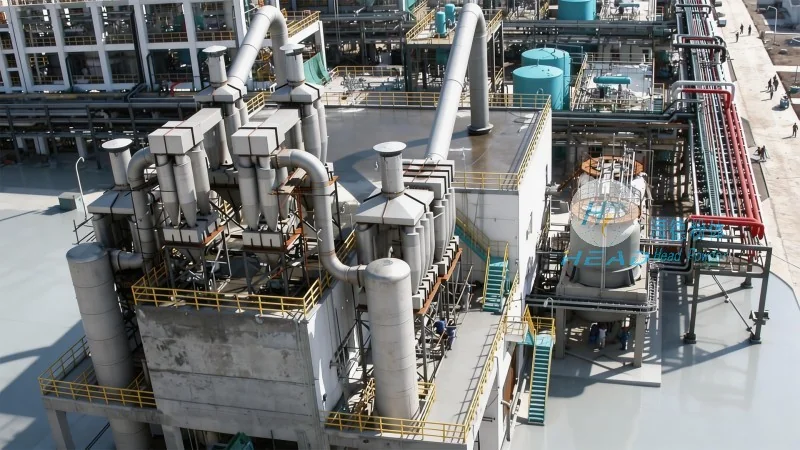
Pneumatic Conveying: This method uses air or gas to transport materials through a pipeline system. It can be further categorized into pressure and vacuum systems. Pneumatic conveying is often preferred for PTFE-CTFE because it minimizes material contact with equipment, reducing the risk of contamination and wear.
Vibrating Conveyors: These systems use vibrations to move material along a trough. They are suitable for bulk materials but may not be ideal for PTFE-CTFE, as the material's low friction properties can cause uneven movement or segregation.
Screw Conveyors: Screw conveyors use a rotating screw to move material through a tube. However, PTFE-CTFE's tendency to adhere to the screw and tube walls can lead to blockages and increased wear, making this method less reliable for PTFE-CTFE handling.
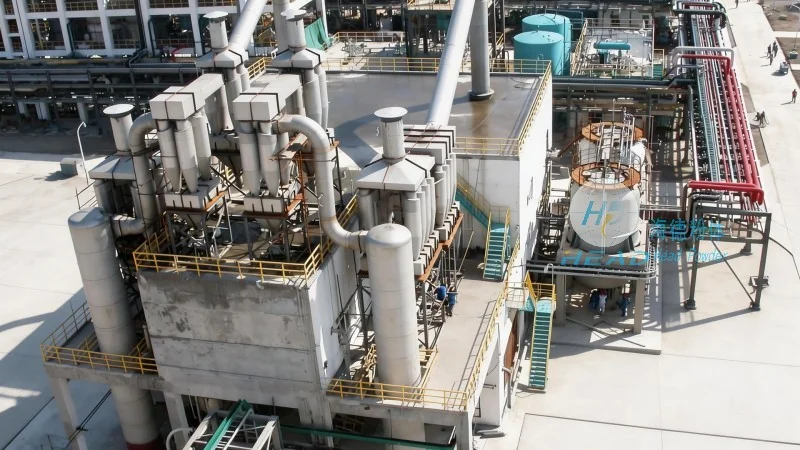
HeadPowder's PTFE-CTFE Pneumatic Conveying System: Advantages and Features
HeadPowder, a renowned manufacturer based in Shandong, China, specializes in developing advanced pneumatic conveying systems tailored for PTFE-CTFE and other fluoropolymers. The company's PTFE-CTFE pneumatic conveying system is designed to address the unique challenges associated with handling this material, offering several key advantages:
Optimized Airflow Control: The system employs precise airflow management to ensure consistent material transport. By controlling the velocity and pressure of the air stream, HeadPowder's system minimizes material degradation and prevents clogging, which is critical for maintaining the purity and quality of PTFE-CTFE.
Static Elimination: PTFE-CTFE is prone to static buildup, which can cause material attraction to equipment or create hazards. HeadPowder's system incorporates static elimination features, such as grounding and ionization, to ensure safe and efficient operation.
Low Maintenance Design: The components of the pneumatic conveying system are engineered for durability and minimal maintenance. The use of corrosion-resistant materials and smooth, non-stick surfaces reduces wear and extends the lifespan of the equipment, reducing operational costs over time.
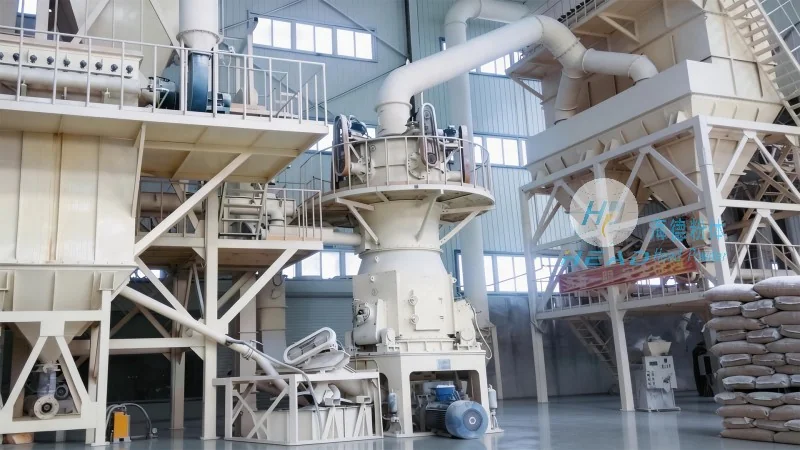
Customizable Solutions: HeadPowder understands that different applications require tailored solutions. The company offers customizable pneumatic conveying systems that can be adapted to specific process requirements, including varying material flow rates, pipeline lengths, and environmental conditions.
Conclusion
Choosing the right conveying method for PTFE-CTFE is essential for optimizing production efficiency and maintaining product quality. While traditional methods like bucket elevators and screw conveyors have their limitations, pneumatic conveying systems, particularly those designed by HeadPowder, offer superior performance for handling PTFE-CTFE. With its focus on airflow control, static elimination, and low maintenance design, HeadPowder's PTFE-CTFE pneumatic conveying system provides a reliable and efficient solution for industries relying on this specialized fluoropolymer. As a leading manufacturer based in Shandong, China, HeadPowder continues to innovate in material handling technology, ensuring that PTFE-CTFE is transported safely and effectively.

 Công ty TNHH Kỹ thuật Công trình Bột Hải Đức Sơn Đông
 156-6277-7102(Quản lý Trương)
  0531-83386006
  Quận Chương Khâu, Thành phố Tế Nam, Tỉnh Sơn Đông, Trung Quốc
Điện thoại
WeChatTư vấn
Lên đầu