Công ty Hải Đức Bột với hơn 10 năm kinh nghiệm vận chuyển khí, cung cấp hệ thống‑thiết bị‑quạt gió và nhận dự án tổng thầu bột cả nước
The efficient handling and transport of coffee beans from processing to packaging is a critical aspect of the coffee industry. Proper conveyance systems ensure that coffee beans are moved safely, hygienically, and with minimal damage, preserving their quality and flavor profile. For businesses in the coffee sector, understanding the available conveyance methods is essential for optimizing operations and maintaining product integrity. This article explores various approaches to coffee bean conveyance, highlighting the technologies and considerations that contribute to effective handling.
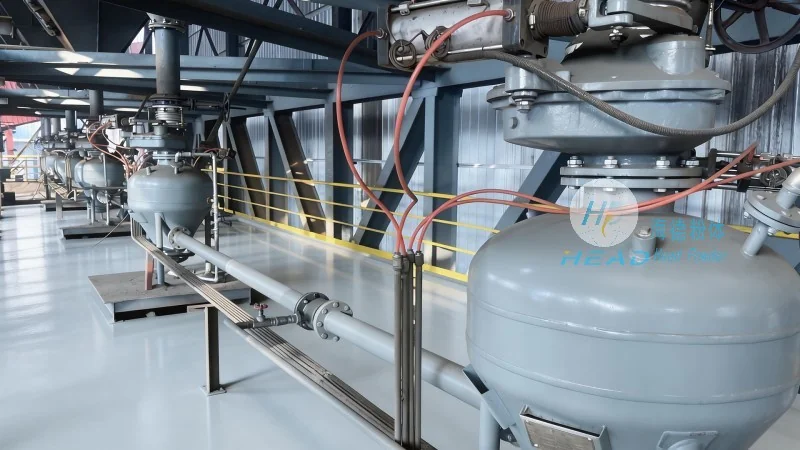
Gravity-Based Conveyance Systems
One of the most traditional and cost-effective methods for coffee bean conveyance is gravity-based systems. These systems utilize the natural force of gravity to move beans along inclined surfaces or chutes. The design typically involves a sloped channel or conveyor that allows beans to flow downward without the need for external power. Gravity conveyors are particularly suitable for short distances and when the elevation change is sufficient to facilitate movement. They are often used in stages where beans are moving from a processing area to a storage or packaging location. The simplicity of gravity systems makes them an attractive option for small to medium-sized coffee operations, as they require minimal maintenance and energy input. However, their effectiveness depends on the slope angle and the characteristics of the coffee beans, such as size and moisture content, which can affect flow rates.
Mechanical Conveyance Solutions
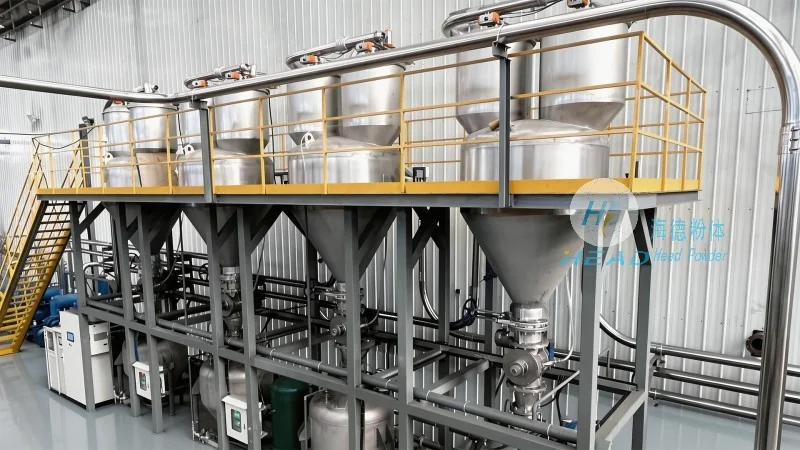
For longer distances or when gravity alone is insufficient, mechanical conveyance systems are employed. These systems use motors and mechanisms to move coffee beans through various components. Common mechanical solutions include belt conveyors, screw conveyors, and bucket elevators. Belt conveyors, for instance, consist of a continuous belt that transports beans along a path, often with adjustable speed and direction controls. This method is versatile and can handle a wide range of bean sizes and shapes, making it suitable for both bulk and sorted coffee bean transport. Screw conveyors, on the other hand, use a rotating screw to push beans forward, which is ideal for vertical or inclined movement. They are particularly effective in processing facilities where beans need to be elevated or moved through vertical sections. Mechanical conveyance systems offer greater control over speed and direction, allowing for precise handling and integration with other processing equipment. While they may require more maintenance and energy compared to gravity systems, they provide reliability and efficiency for larger-scale operations.
Combining Technologies for Efficient Coffee Bean Handling
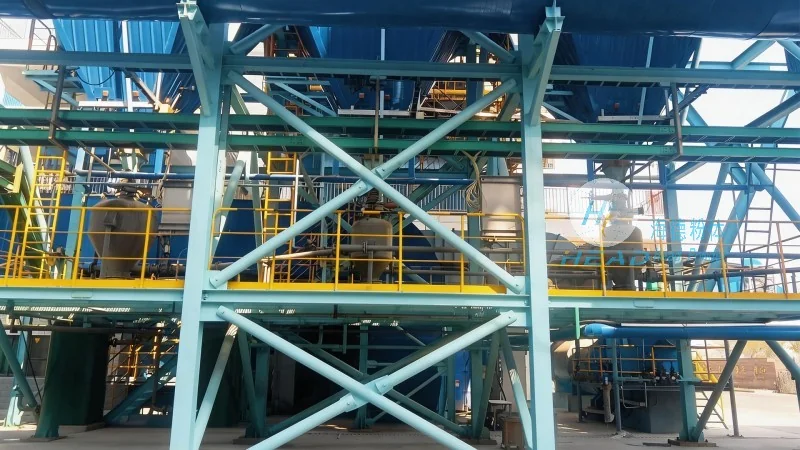
In many coffee processing facilities, a combination of gravity and mechanical conveyance technologies is used to achieve optimal efficiency. This integrated approach allows for the seamless movement of coffee beans through different stages of production. For example, a gravity chute might be used to move beans from a roasting machine to a storage hopper, while a mechanical conveyor transports them from the hopper to the packaging line. This combination leverages the strengths of each method: gravity for short, low-energy transfers and mechanical systems for longer or more complex routes. The integration also enables better control over the entire process, as sensors and controls can be added to monitor flow rates and adjust the operation of both systems as needed. Such hybrid systems are particularly beneficial for large-scale coffee producers who need to handle high volumes of beans while maintaining quality and consistency.
The Role of HeadPowder in Providing Conveyance Solutions
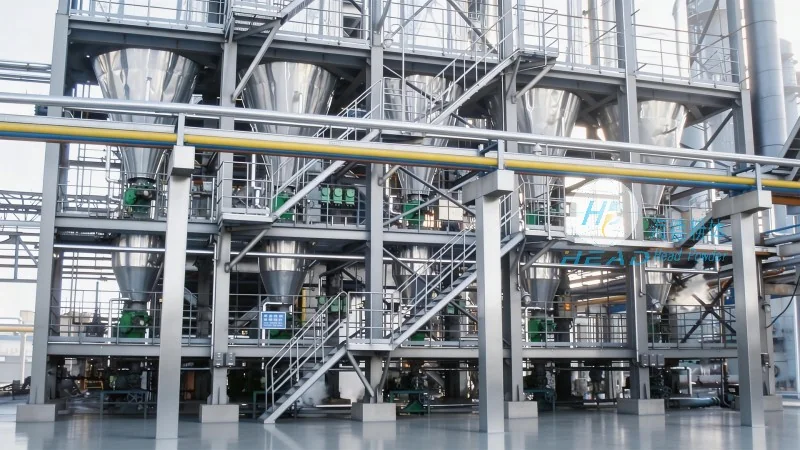
Shandong HeadPowder Engineering Co., Ltd., commonly known as HeadPowder, is a leading provider of specialized equipment for the coffee industry. With a focus on innovation and customer-centric solutions, HeadPowder offers a range of conveyance systems tailored to the unique needs of coffee bean handling. The company’s expertise lies in designing and manufacturing equipment that ensures the safe and efficient transport of coffee beans from raw to finished product. HeadPowder’s products include gravity conveyors, mechanical belt and screw conveyors, and integrated systems that combine multiple technologies. Each solution is engineered to meet industry standards for hygiene, durability, and performance, ensuring that coffee beans are handled with the utmost care. The company’s commitment to quality and customer support has made it a trusted partner for coffee producers worldwide. By leveraging advanced materials and manufacturing techniques, HeadPowder delivers conveyance solutions that enhance operational efficiency and preserve the quality of coffee beans.
Conclusion
Choosing the right coffee bean conveyance method depends on several factors, including the scale of operations, the distance beans need to travel, and the specific characteristics of the coffee beans. Gravity-based systems offer simplicity and cost-effectiveness for short distances, while mechanical systems provide greater control and efficiency for larger-scale applications. Combining both technologies can optimize the entire process, ensuring smooth and consistent movement of coffee beans. For businesses in the coffee industry, partnering with a reliable supplier like Shandong HeadPowder Engineering Co., Ltd. is crucial for accessing high-quality conveyance solutions that meet their operational and quality requirements. By investing in the right conveyance systems, coffee producers can enhance their productivity, maintain product integrity, and meet the demands of a competitive market.

 Công ty TNHH Kỹ thuật Công trình Bột Hải Đức Sơn Đông
 156-6277-7102(Quản lý Trương)
  0531-83386006
  Quận Chương Khâu, Thành phố Tế Nam, Tỉnh Sơn Đông, Trung Quốc
Điện thoại
WeChatTư vấn
Lên đầu