Công ty Hải Đức Bột với hơn 10 năm kinh nghiệm vận chuyển khí, cung cấp hệ thống‑thiết bị‑quạt gió và nhận dự án tổng thầu bột cả nước
Efficient cotton fiber conveying is crucial in textile processing and manufacturing, ensuring smooth material flow from raw cotton to processing stages. Various methods are employed to handle cotton fibers, each with distinct advantages and applications. This article explores the primary methods for cotton fiber conveying, providing insights into their functionality and suitability for different industrial needs.
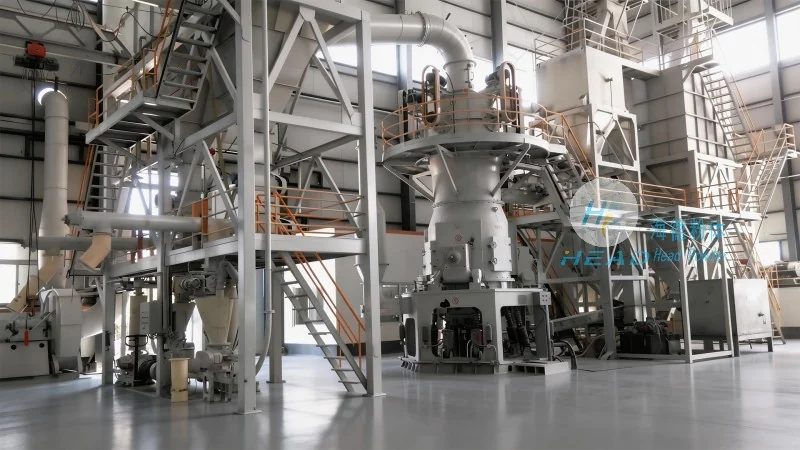
Understanding Cotton Fiber Conveying Methods
Cotton fiber conveying involves the movement of raw or processed cotton through a system designed to transport it without damage or loss. The choice of conveying method depends on factors such as fiber type, processing requirements, and operational environment. Key methods include mechanical, pneumatic, and gravity-based systems, each tailored to specific production scenarios.
1. Mechanical Conveying Systems
Mechanical conveying relies on physical components like belts, screws, and rollers to transport cotton fibers. The most common types include belt conveyors and screw conveyors. Belt conveyors use a continuous belt to move cotton from one point to another, ideal for horizontal or slight incline transport. They are widely used in cotton ginning and baling operations due to their durability and ability to handle large volumes. Screw conveyors, also known as augers, use a rotating screw to push cotton forward, suitable for vertical or inclined transport. These systems are effective for processing cotton in bales or loose form, ensuring consistent material flow.
2. Pneumatic Conveying Systems
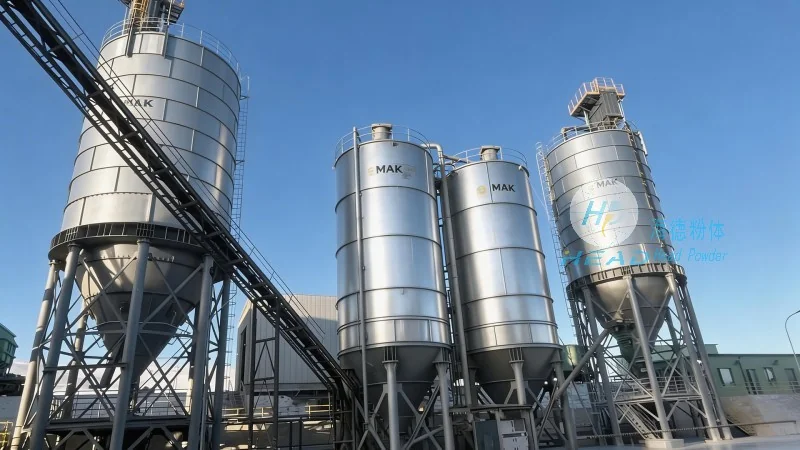
Pneumatic conveying uses air pressure to move cotton fibers through a pipeline. This method is particularly effective for fine or dusty cotton, as it minimizes material degradation and contamination. There are two main types: suction (or vacuum) and pressure systems. Suction systems draw cotton into a pipeline using a vacuum, while pressure systems force air and cotton through the line using a blower. Pneumatic conveyors are ideal for long-distance transport and integration with other processing equipment, offering flexibility in layout and operation.
3. Gravity Conveying Systems
Gravity conveying utilizes the natural force of gravity to move cotton fibers down slopes or chutes. This method is simple and cost-effective, requiring minimal energy input. It is commonly used in cotton ginning plants to transport cotton from bales to processing areas. Gravity chutes are designed with smooth surfaces to prevent fiber entanglement and damage, ensuring efficient flow. While gravity systems are limited by the need for elevation changes, they are effective for short to medium distances and low-volume applications.
4. Combined Conveying Solutions
In many industrial settings, a combination of mechanical and pneumatic systems is used to optimize cotton fiber transport. For example, a gravity chute may feed a screw conveyor, which then connects to a pneumatic system for further processing. This integrated approach ensures seamless material flow from raw cotton to spinning or weaving stages, minimizing downtime and maximizing productivity. The choice of combined systems depends on the specific production line layout and processing requirements.

HeadPowder Engineering: Expert Solutions for Cotton Fiber Conveying
Shandong HeadPowder Engineering Co., Ltd. specializes in providing customized conveying solutions for cotton fiber applications. With years of experience in the textile industry, HeadPowder understands the unique challenges of cotton processing and offers tailored systems to meet client needs. The company’s expertise includes the design, manufacturing, and installation of mechanical, pneumatic, and gravity-based conveying equipment. By leveraging advanced technology and engineering knowledge, HeadPowder ensures that cotton fibers are transported efficiently and safely, maintaining quality and reducing operational costs.
Key Features of HeadPowder Conveying Systems
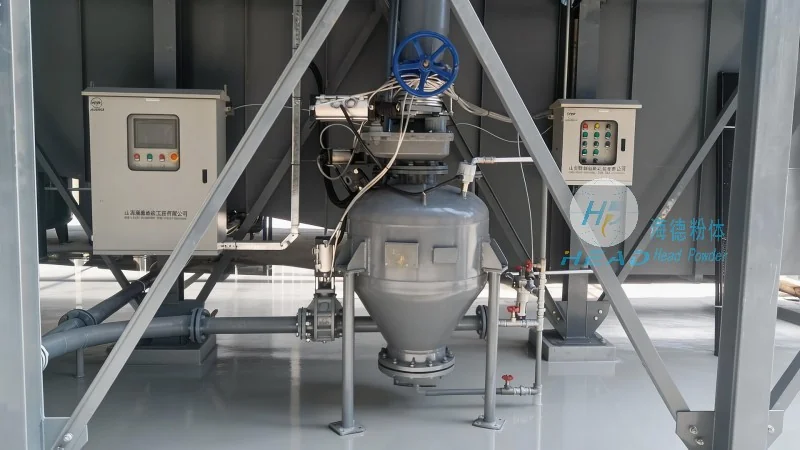
HeadPowder’s conveying systems are designed with several key features to enhance performance and reliability. These include robust construction to withstand the abrasive nature of cotton fibers, adjustable speed controls for precise material handling, and easy maintenance components. The company also emphasizes energy efficiency, using advanced motors and air compressors to minimize operational costs. Additionally, HeadPowder’s systems are equipped with monitoring and control systems, allowing operators to track material flow and adjust settings in real-time. This ensures optimal performance and reduces the risk of material loss or damage.
Applications in Cotton Processing
HeadPowder’s conveying solutions are widely used in various stages of cotton processing, from ginning and baling to spinning and weaving. In ginning plants, the company’s systems efficiently transport raw cotton from bales to processing machines, ensuring consistent material supply. During spinning, pneumatic conveyors are used to move cotton from bales to the carding and combing stages, maintaining fiber integrity. In weaving and finishing operations, mechanical conveyors transport processed cotton to looms and finishing equipment, supporting high-speed production. The versatility of HeadPowder’s systems makes them suitable for a range of cotton processing applications, from small-scale operations to large industrial facilities.
Conclusion
Choosing the right cotton fiber conveying method is essential for optimizing textile production efficiency and maintaining product quality. Mechanical, pneumatic, and gravity systems each offer unique advantages, and the best choice depends on specific operational requirements. Shandong HeadPowder Engineering Co., Ltd. provides expert guidance and customized solutions to help clients select and implement the most suitable conveying systems for their cotton processing needs. With a focus on durability, efficiency, and reliability, HeadPowder ensures that cotton fibers are transported safely and effectively, supporting the success of textile manufacturing operations.

 Công ty TNHH Kỹ thuật Công trình Bột Hải Đức Sơn Đông
 156-6277-7102(Quản lý Trương)
  0531-83386006
  Quận Chương Khâu, Thành phố Tế Nam, Tỉnh Sơn Đông, Trung Quốc
Điện thoại
WeChatTư vấn
Lên đầu