Công ty Hải Đức Bột với hơn 10 năm kinh nghiệm vận chuyển khí, cung cấp hệ thống‑thiết bị‑quạt gió và nhận dự án tổng thầu bột cả nước
Edible salt is a fundamental ingredient in food production and preservation, and its efficient transportation is crucial for supply chains. The methods used to transport edible salt vary based on factors such as distance, volume, and the need for purity. Understanding these methods helps businesses optimize their logistics and ensure product quality.
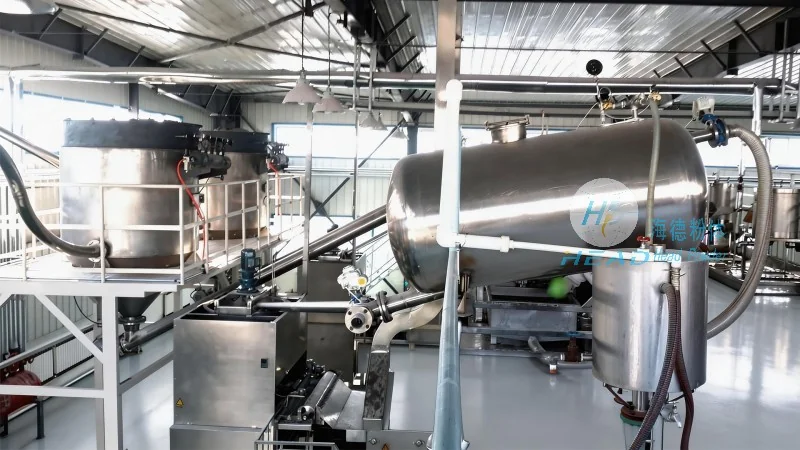
Key Factors Influencing Transportation Choices
When selecting a transportation method for edible salt, several key factors must be considered. These include the scale of the operation—whether it's a small-scale local delivery or a large-scale industrial shipment—and the required speed of delivery. Additionally, the environmental conditions of the route, such as weather or terrain, can impact the choice of method. Regulatory requirements for food safety also play a critical role, as edible salt must be handled in a way that maintains its purity and prevents contamination.
Pipeline Transportation for Edible Salt
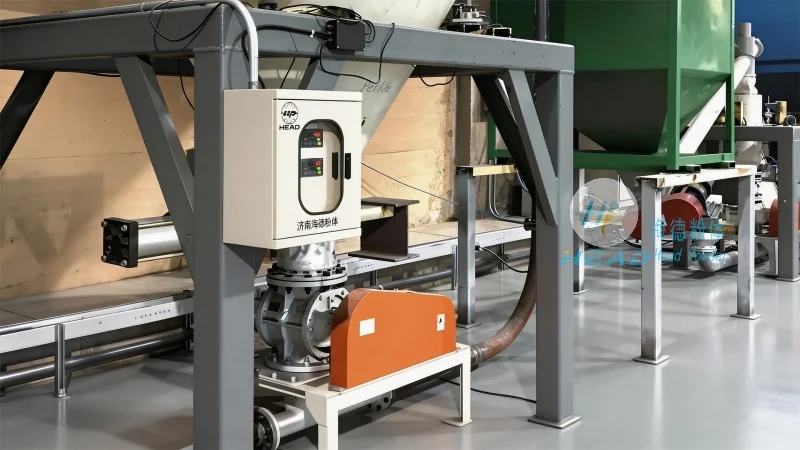
One of the most common and efficient methods for transporting edible salt is through pipelines. This method is particularly suitable for long-distance, high-volume shipments. The process involves pumping the salt through a sealed pipeline system, which minimizes exposure to contaminants and ensures consistent quality. Companies like Shandong HeadPowder Engineering Co., Ltd. specialize in designing and implementing pipeline systems tailored to the specific needs of edible salt transportation. The pipelines are typically made of materials that are resistant to corrosion and can withstand the pressure required for pumping. This method is ideal for continuous production lines, as it allows for a steady flow of salt from the production facility to the processing plants or distribution centers.
Bulk Transportation via Trucks and Rail
For shorter distances or when a pipeline is not feasible, bulk transportation using trucks or rail is a popular option. Trucks are used for local deliveries and can transport edible salt in specialized containers that are designed to prevent spillage and maintain purity. These containers are often lined with materials that are non-reactive with salt, such as stainless steel or plastic. Rail transport, on the other hand, is more suitable for longer distances and larger volumes. Railcars are equipped with secure loading mechanisms to prevent the salt from shifting during transit. This method is cost-effective for large-scale operations and can reduce the carbon footprint compared to road transport, as rail is generally more energy-efficient.
Packaged Transportation for Edible Salt
When edible salt is needed in smaller quantities or for retail distribution, packaged transportation is used. This method involves packaging the salt in containers such as bags, boxes, or cans. The packaging materials must meet strict food safety standards to prevent contamination and maintain the quality of the salt. Companies like Shandong HeadPowder Engineering Co., Ltd. offer various packaging solutions, including bulk bags (FIBCs) and multi-layered plastic bags, which are designed to protect the salt from moisture and other environmental factors. These packaged products are then transported using trucks or other vehicles to retail stores, restaurants, and other end-users. The packaging also includes labels with important information, such as the product name, net weight, and any relevant certifications, to ensure compliance with regulatory requirements.
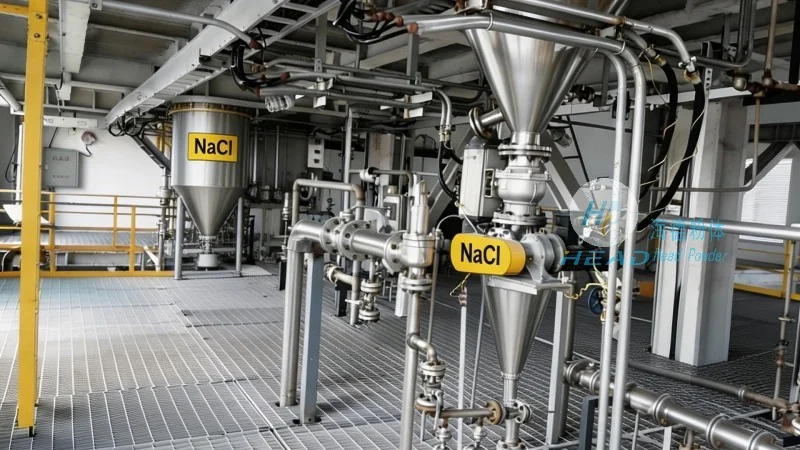
Specialized Equipment for Edible Salt Handling
Regardless of the transportation method chosen, specialized equipment is often required to handle edible salt safely and efficiently. For example, conveyor systems are used to move salt from storage areas to loading docks. These systems are designed to prevent dust and spillage, which can affect the quality of the product. Loading and unloading equipment, such as cranes or forklifts, are also essential for handling large containers and ensuring smooth operations. Additionally, filtration and cleaning systems may be used to maintain the purity of the salt during transportation. These systems help remove any impurities that could be introduced during the process, ensuring that the final product meets the highest standards.
Ensuring Food Safety and Compliance
Throughout the transportation process, maintaining food safety and compliance with regulations is paramount. This includes proper handling, storage, and documentation of the edible salt. Companies must adhere to guidelines set by food safety authorities, such as the FDA or local health departments, to ensure that the salt is not contaminated with harmful substances. Regular inspections and quality control checks are conducted to verify that the transportation methods and equipment meet the required standards. Additionally, proper labeling and documentation are necessary to track the salt from the production facility to the end-user, which helps in case of any issues or recalls.

 Công ty TNHH Kỹ thuật Công trình Bột Hải Đức Sơn Đông
 156-6277-7102(Quản lý Trương)
  0531-83386006
  Quận Chương Khâu, Thành phố Tế Nam, Tỉnh Sơn Đông, Trung Quốc
Điện thoại
WeChatTư vấn
Lên đầu