Công ty Hải Đức Bột với hơn 10 năm kinh nghiệm vận chuyển khí, cung cấp hệ thống‑thiết bị‑quạt gió và nhận dự án tổng thầu bột cả nước
When it comes to the transportation of bauxite, which is a key raw material in the production of aluminum, understanding the available methods is crucial for efficient operations. Bauxite, extracted from bauxite mines, needs to be transported to processing facilities or other destinations. The choice of transport method depends on various factors including the distance, volume, terrain, and budget. In this article, we will explore the primary methods used for bauxite transport, highlighting the advantages and considerations of each approach.
1. Road Transportation for Bauxite
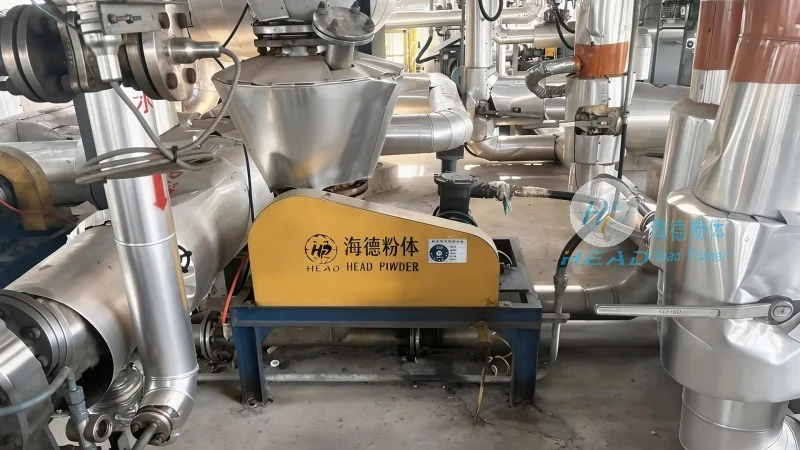
One of the most common methods for transporting bauxite is by road. This method is particularly suitable for shorter distances, typically up to a few hundred kilometers. Companies like Shandong HeadPowder Engineering Co., Ltd. may utilize specialized trucks equipped with bulk containers or trailers designed to carry large quantities of bauxite. Road transport offers flexibility, as it can reach areas that are not easily accessible by rail or water. However, it may face challenges such as traffic congestion, especially in regions with high population density or during peak hours. Additionally, the cost of fuel and maintenance for heavy-duty trucks can be significant, impacting the overall operational expenses.
2. Railway Transportation for Bauxite
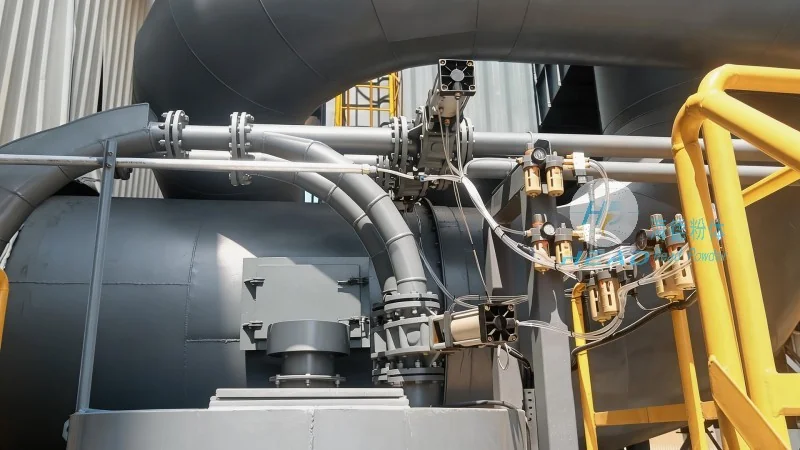
For longer distances and larger volumes, railway transport is often the preferred option. Bauxite is typically loaded into specialized railcars, such as hopper cars or bulk carriers, which are designed to handle the weight and volume of the material. The use of rail transport can significantly reduce transportation costs compared to road transport, especially for bulk shipments. It also minimizes the environmental impact by reducing road traffic and emissions. Companies like Shandong HeadPowder Engineering Co., Ltd. may invest in dedicated rail lines or use existing railway networks to transport bauxite efficiently. The key advantage of railway transport is its ability to handle high volumes over long distances with less labor and lower fuel consumption per ton-kilometer. However, the initial investment in rail infrastructure and the need for loading/unloading facilities at both ends can be substantial.
3. Waterway Transportation for Bauxite
For bauxite transport over very long distances, especially when moving from mining sites to processing plants located near coastal areas, waterway transport is a viable option. Bauxite is loaded into large bulk carriers or barges, which can carry thousands of tons at a time. This method is highly cost-effective for large-scale operations, as the cost per ton-kilometer is significantly lower than road or rail transport. Waterway transport also has a lower carbon footprint compared to other modes, making it an environmentally friendly choice. However, it is dependent on the availability of suitable ports and waterways, and weather conditions can sometimes delay shipments. Additionally, the time required for loading and unloading at ports can affect the overall logistics timeline.

4. Combination of Transport Modes
In many cases, a combination of transport modes is used to optimize bauxite transport. For example, bauxite may be extracted from mines and first transported by road to a railway station or port, where it is then transferred to railcars or ships for the remaining journey. This multi-modal approach allows companies to leverage the strengths of each mode, such as road flexibility for the initial leg and rail or water efficiency for the long-distance leg. Shandong HeadPowder Engineering Co., Ltd. may employ such strategies to minimize costs and ensure timely delivery of bauxite to processing facilities. The key to successful multi-modal transport is effective coordination between different transport operators and the use of standardized containers or transfer equipment to facilitate seamless transfers.
5. Factors Influencing the Choice of Bauxite Transport Method
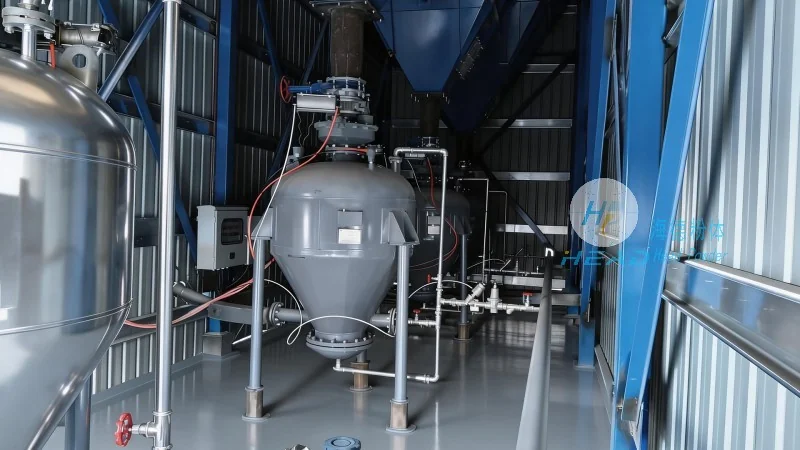
The selection of the most appropriate bauxite transport method involves considering several factors. The distance between the mining site and the processing plant is a primary consideration. Short distances may favor road transport, while long distances may require rail or water transport. The volume of bauxite to be transported also plays a role; larger volumes are more economically viable with rail or water transport. The terrain and geography of the area, including the presence of mountains, rivers, or urban areas, can impact the feasibility of different transport modes. For instance, in mountainous regions, road transport may be more practical despite higher costs, while flat terrains may allow for more extensive railway networks. The budget available for transportation is another critical factor, as different modes have varying cost structures. Finally, environmental regulations and sustainability goals may influence the choice, with waterway transport often being the most environmentally friendly option.
Conclusion
In conclusion, the transportation of bauxite involves several methods, each with its own advantages and considerations. Road transport offers flexibility and accessibility, while railway transport provides efficiency for large volumes over long distances. Waterway transport is cost-effective for very long distances and has a lower environmental impact. The choice of method depends on various factors, including distance, volume, terrain, and budget. Companies like Shandong HeadPowder Engineering Co., Ltd. must carefully evaluate these factors to select the most suitable transport method for their operations. By understanding the different options and their implications, they can optimize their logistics, reduce costs, and ensure the timely delivery of bauxite to processing facilities. The effective management of bauxite transport is essential for the smooth operation of aluminum production and the overall success of the mining and processing industry.

 Công ty TNHH Kỹ thuật Công trình Bột Hải Đức Sơn Đông
 156-6277-7102(Quản lý Trương)
  0531-83386006
  Quận Chương Khâu, Thành phố Tế Nam, Tỉnh Sơn Đông, Trung Quốc
Điện thoại
WeChatTư vấn
Lên đầu