Công ty Hải Đức Bột với hơn 10 năm kinh nghiệm vận chuyển khí, cung cấp hệ thống‑thiết bị‑quạt gió và nhận dự án tổng thầu bột cả nước
Efficient cement delivery is a critical factor in construction and industrial operations, directly impacting project timelines, material handling costs, and overall operational efficiency. As a leading provider of specialized engineering solutions, Shandong HeadPowder Engineering Co., Ltd. (commonly known as HeadPowder) understands the importance of selecting the most suitable cement delivery method for various applications. This article provides a detailed comparison of common cement delivery methods, highlighting their advantages, limitations, and ideal use cases to help professionals make informed decisions.
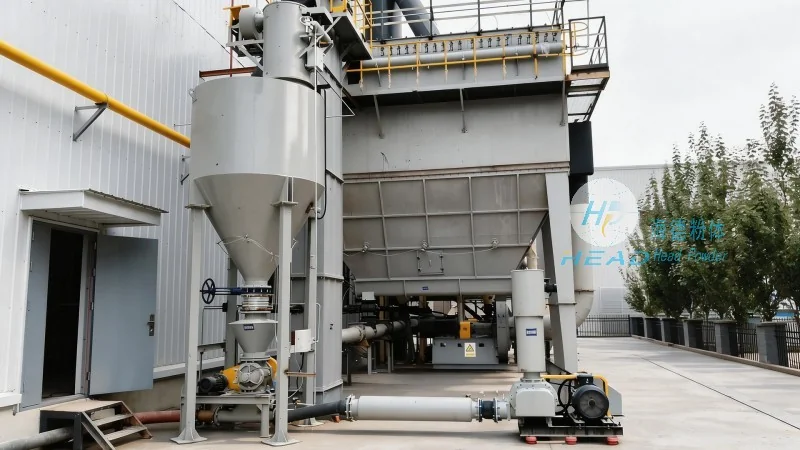
1. Pumping Systems: The Most Common and Versatile Option
Pneumatic and hydraulic pumping systems are among the most widely used methods for transporting cement. These systems utilize pressure to move cement through pipelines, making them suitable for both short and long-distance applications. Pneumatic pumps, which use compressed air, are particularly effective for handling dry, powdery materials like cement, as they can maintain a consistent flow without the need for heavy machinery. Hydraulic pumps, on the other hand, offer higher pressure and are ideal for transporting cement over longer distances or through complex piping networks. HeadPowder specializes in designing and manufacturing high-efficiency pumping systems that ensure reliable cement delivery, even in challenging environments. Their expertise in material handling and process engineering ensures that clients receive tailored solutions that meet specific project requirements.
2. Screw Conveyors: Ideal for Horizontal and Vertical Transport
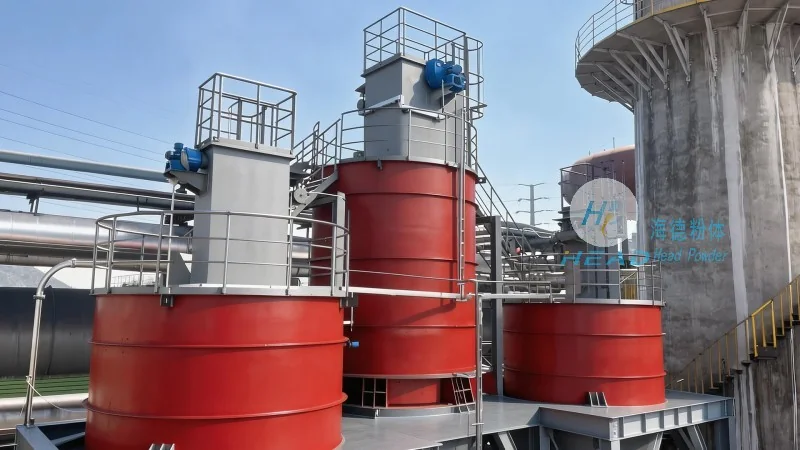
Screw conveyors, also known as auger conveyors, are mechanical devices that use a rotating screw to move cement along a trough. This method is particularly effective for horizontal and vertical transport, making it suitable for applications where space is limited or where material needs to be elevated. Screw conveyors are known for their simplicity and low maintenance requirements, as they have fewer moving parts compared to other systems. However, they may not be as efficient for long-distance transport or for handling very fine cement powders, as the screw can cause some material to stick to the trough walls. HeadPowder offers customized screw conveyor solutions that optimize material flow and reduce downtime, ensuring consistent performance in various industrial settings.
3. Air-Slide (Air-Lift) Systems: Efficient for Short-Distance Transport
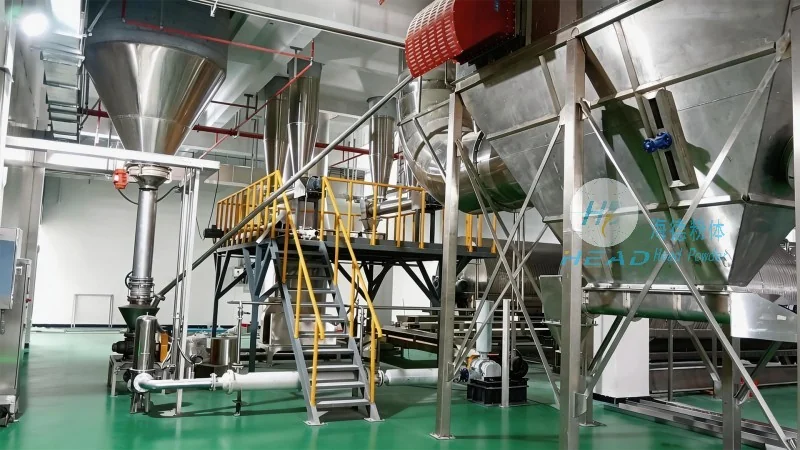
Air-slide systems, also called air-lift or pneumatic conveying systems, use compressed air to transport cement in a closed pipeline. This method is ideal for short to medium-distance transport, as it can move large volumes of material quickly and with minimal energy consumption. Air-slide systems are particularly effective for handling fine powders, as the air flow helps prevent material from settling or clogging the pipeline. However, they may not be suitable for long-distance transport or for handling heavy or abrasive materials, as the air pressure required can be high and may cause wear on the system components. HeadPowder's air-slide systems are designed with durable materials and advanced control systems to ensure reliable performance, even in high-demand applications.
4. Bucket Elevators: Reliable for Vertical Transport in Bulk Handling
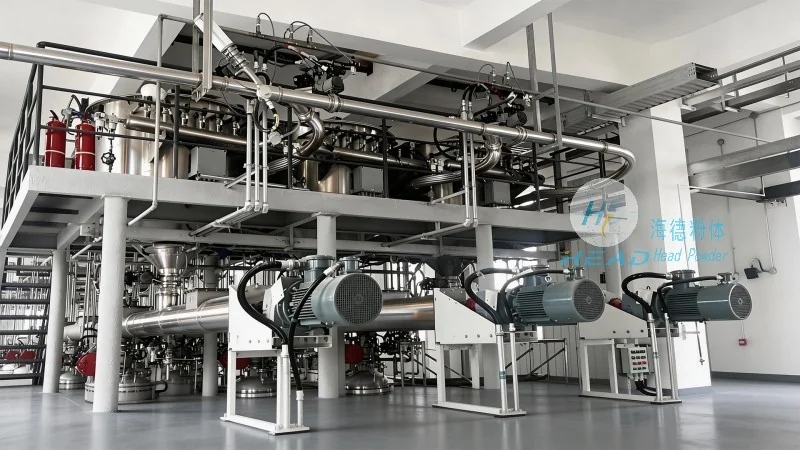
Bucket elevators are mechanical systems that use buckets attached to a belt or chain to lift cement vertically. This method is particularly effective for vertical transport in bulk handling applications, such as in cement plants or large construction sites. Bucket elevators are known for their high capacity and reliability, as they can transport large volumes of material over significant vertical distances. However, they require more maintenance than other systems, as the buckets and belts need regular inspection and replacement. HeadPowder provides robust bucket elevator solutions that ensure safe and efficient vertical transport, with features like overload protection and automatic lubrication systems to minimize downtime.
5. Comparison Summary: Choosing the Right Cement Delivery Method
When selecting a cement delivery method, it is essential to consider factors such as distance, material characteristics, space availability, and operational costs. Pumping systems are generally the most versatile and efficient for long-distance transport, while screw conveyors and bucket elevators are better suited for horizontal or vertical transport in confined spaces. Air-slide systems are ideal for short-distance transport of fine powders, offering high efficiency with low energy consumption. HeadPowder's expertise in engineering and material handling allows them to provide customized solutions that address the specific needs of each project, ensuring optimal performance and cost-effectiveness. By understanding the strengths and limitations of each method, professionals can make informed decisions that enhance operational efficiency and reduce material handling costs.

 Công ty TNHH Kỹ thuật Công trình Bột Hải Đức Sơn Đông
 156-6277-7102(Quản lý Trương)
  0531-83386006
  Quận Chương Khâu, Thành phố Tế Nam, Tỉnh Sơn Đông, Trung Quốc
Điện thoại
WeChatTư vấn
Lên đầu