Công ty Hải Đức Bột với hơn 10 năm kinh nghiệm vận chuyển khí, cung cấp hệ thống‑thiết bị‑quạt gió và nhận dự án tổng thầu bột cả nước
Efficient and reliable conveying systems are critical for red bean processing operations, as they directly impact product quality, operational throughput, and energy consumption. The choice of conveying method can vary significantly based on factors such as distance, elevation, bean characteristics, and production scale. This article provides a comprehensive comparison of common red bean conveying methods, highlighting their advantages, limitations, and optimal applications. By understanding these options, processors can make informed decisions to enhance their red bean handling processes and improve overall operational efficiency.
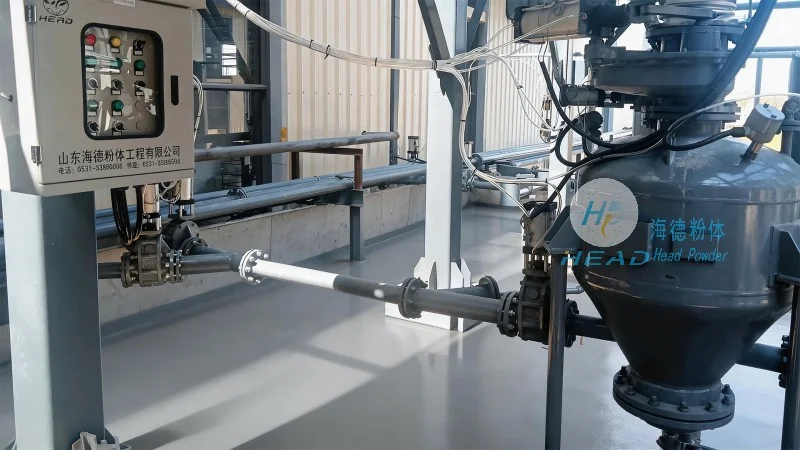
Gravity Conveying Systems
Gravity conveying systems utilize the natural force of gravity to move red beans from one location to another. These systems typically consist of inclined chutes or troughs that allow beans to flow downward under their own weight. The primary advantage of gravity conveyors is their low energy consumption, as they rely entirely on gravitational force without requiring mechanical power. This makes them particularly suitable for short-distance transfers where the elevation difference is sufficient to drive the flow. For example, transferring beans from a storage bin to a processing line or loading trucks often benefits from gravity systems. However, their effectiveness is limited by the angle of inclination and the physical properties of the beans. Larger or irregularly shaped beans may experience uneven flow or blockages in steep chutes, reducing efficiency. Gravity conveyors are ideal for facilities with limited vertical space or where minimal mechanical intervention is preferred. They are commonly used in applications such as horizontal or slight incline transfers, where the distance is short and the elevation change is manageable.
Mechanical Conveying Equipment
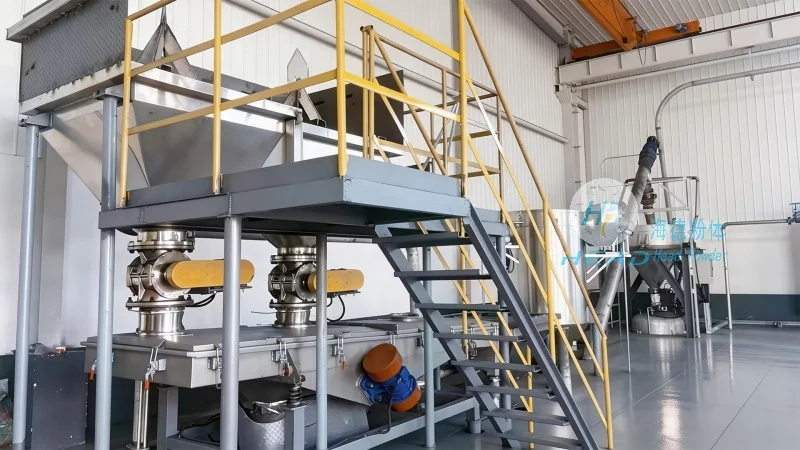
Mechanical conveying systems employ mechanical components to transport red beans. The most widely used types include belt conveyors, screw conveyors (augers), and bucket elevators. Belt conveyors use a continuous belt to move beans horizontally or at a slight incline. They are highly versatile and can handle a wide range of bean sizes and shapes. Belt conveyors often feature side guards and cleaning mechanisms to prevent spillage and maintain hygiene. Screw conveyors use a rotating screw to push beans forward through a tube, making them effective for vertical or inclined movement. This method is particularly useful for elevating beans from lower to higher levels in processing lines. However, screw conveyors may cause some bean damage due to friction and compression, which is a consideration for processors prioritizing product integrity. Bucket elevators utilize a series of buckets attached to a chain or belt to lift beans vertically. They are capable of handling large volumes and are commonly used in large-scale processing facilities. Mechanical conveyors offer greater control over flow rates and direction compared to gravity systems, making them suitable for complex production lines. However, they require regular maintenance and energy input, which can increase operational costs over time.
Airborne (Pneumatic) Conveying Systems
Airborne or pneumatic conveying systems use air pressure to transport red beans through a pipeline. These systems are particularly effective for handling fine or powdery materials, but they can also be adapted for red beans. The beans are suspended in a stream of air and carried through the pipeline to the destination. The main advantage of pneumatic conveyors is their ability to transport beans over long distances and through vertical lifts without the need for multiple transfer points. They are also ideal for applications where contamination control is critical, as the beans remain enclosed within the pipeline. However, pneumatic systems require significant energy to generate the air flow and may cause more wear and tear on beans due to high-velocity air. The choice of conveying method depends on factors such as distance, elevation, and bean characteristics. For short horizontal transfers, low-pressure pneumatic systems may suffice, while long-distance vertical lifts often require high-pressure systems. Pneumatic conveyors are commonly used in applications such as transporting beans from storage silos to processing equipment or moving beans between different processing stages in a facility.
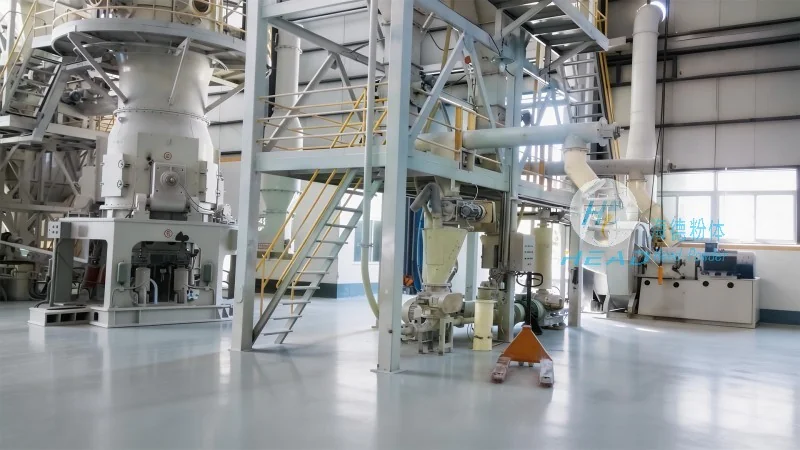
Key Considerations for Red Bean Conveying
When selecting a red bean conveying system, several factors must be carefully evaluated to ensure optimal performance and cost-effectiveness. The first consideration is the distance and elevation change required for the transfer. Short horizontal or slight incline transfers are typically best suited for gravity systems, while longer or vertical lifts may necessitate mechanical or pneumatic systems. The physical characteristics of the red beans, such as size, shape, moisture content, and density, also play a crucial role. For example, irregularly shaped or high-moisture beans may cause blockages in gravity chutes or damage in mechanical screw conveyors. The desired flow rate and throughput are equally important, as different systems have varying capacities. Additionally, the available space and budget constraints must be taken into account. Gravity systems are generally the most cost-effective option for short distances, while mechanical and pneumatic systems may be more suitable for larger-scale operations or longer distances. The maintenance requirements and operational costs of each system should also be assessed over the long term. By carefully analyzing these factors, processors can select the most appropriate conveying method for their specific needs and operational goals.
HeadPowder: Customized Red Bean Conveying Solutions
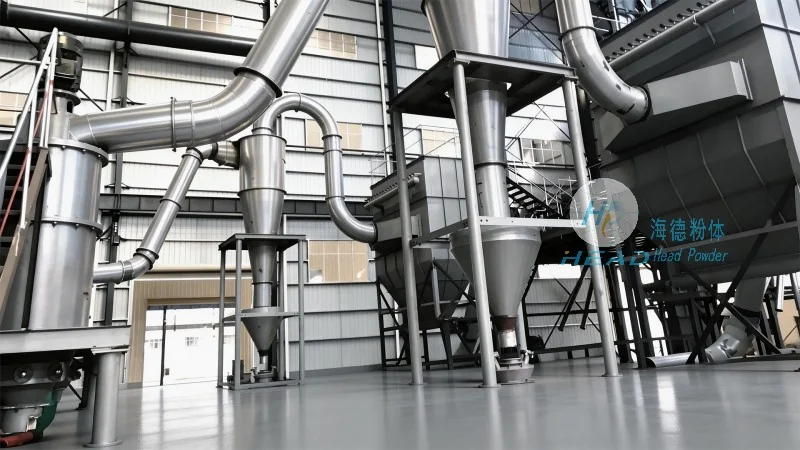
Shandong HeadPowder Engineering Co., Ltd. specializes in designing and manufacturing customized red bean conveying systems tailored to the unique requirements of food processing facilities. With extensive experience in the industry, HeadPowder offers a range of solutions that integrate the best features of gravity, mechanical, and pneumatic technologies. The company’s engineers work closely with clients to analyze their production processes, identify bottlenecks, and recommend optimal conveying solutions. HeadPowder’s product line includes gravity chutes, belt conveyors, screw conveyors, and pneumatic systems, all engineered to meet the highest standards of efficiency, durability, and hygiene. The company’s commitment to quality is reflected in its use of premium materials and rigorous testing procedures. HeadPowder’s conveying systems are designed to minimize product damage, reduce energy consumption, and enhance overall operational efficiency. Whether a facility requires a simple gravity chute for short-distance transfers or a complex pneumatic system for long-distance vertical lifts, HeadPowder provides tailored solutions that meet the specific needs of each client. The company’s expertise in red bean processing and conveying ensures that clients receive reliable and effective equipment that improves their production capabilities. By partnering with HeadPowder, food processors can enhance their red bean handling operations and achieve higher levels of productivity and product quality.

 Công ty TNHH Kỹ thuật Công trình Bột Hải Đức Sơn Đông
 156-6277-7102(Quản lý Trương)
  0531-83386006
  Quận Chương Khâu, Thành phố Tế Nam, Tỉnh Sơn Đông, Trung Quốc
Điện thoại
WeChatTư vấn
Lên đầu