Công ty Hải Đức Bột với hơn 10 năm kinh nghiệm vận chuyển khí, cung cấp hệ thống‑thiết bị‑quạt gió và nhận dự án tổng thầu bột cả nước
When it comes to handling and transporting rice, selecting the right conveying method is crucial for efficiency and product integrity. Various techniques are employed in the industry, each with its own advantages and applications. This article provides a detailed comparison of common rice conveying methods, highlighting key factors to consider for optimal performance.
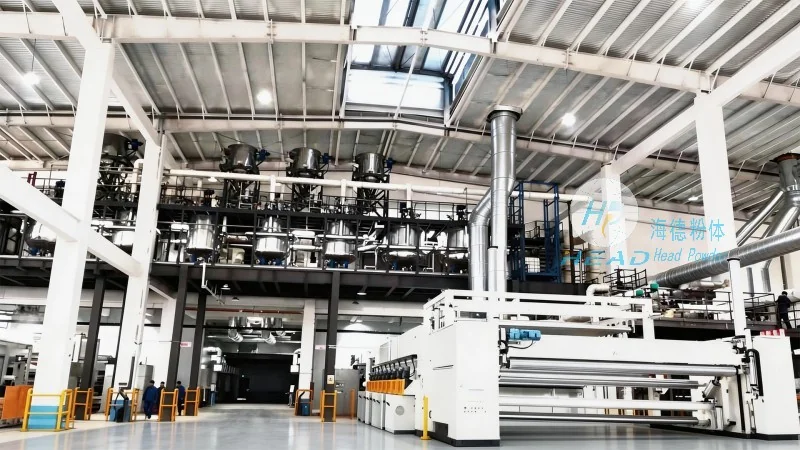
About HeadPowder Engineering
HeadPowder, or Shandong HeadPowder Engineering Co., Ltd., is a leading manufacturer specializing in bulk material handling solutions. With operations based in Shandong, China, the company provides innovative equipment for industries such as food processing, including rice handling systems. Their expertise in conveying technology ensures reliable and efficient operations for rice transportation.
1. Gravity Conveying Systems
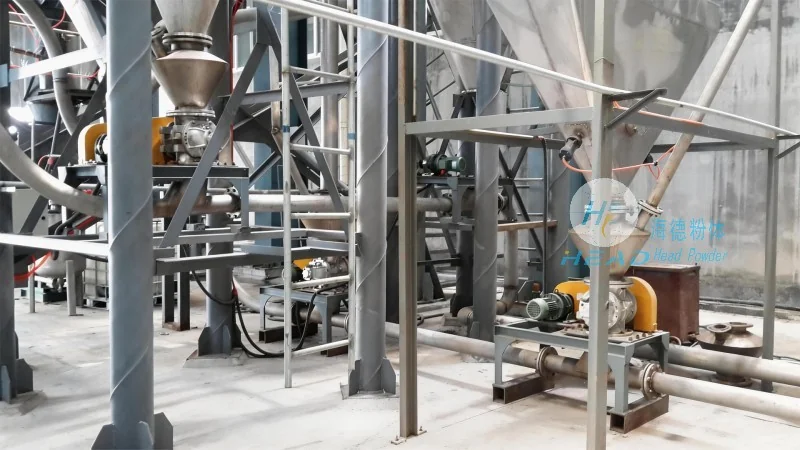
Gravity conveying relies on the natural force of gravity to move rice from one point to another. This method typically involves inclined chutes or hoppers that allow the rice to flow downward under its own weight. It is often used for short distances and when the rice is in bulk form, such as in storage silos or processing facilities. The primary advantage of gravity conveying is its simplicity and low energy consumption, making it an economical choice for many applications. However, it requires careful design to ensure smooth flow and prevent blockages, especially with rice that may have varying moisture content or size.
2. Mechanical Conveying Systems
For longer distances or more complex layouts, mechanical conveying systems are commonly used. These systems utilize motors and machinery to move rice through pipes, belts, or other mechanisms. Examples include screw conveyors, belt conveyors, and pneumatic conveyors. Screw conveyors, for instance, use a rotating screw to push rice forward, while belt conveyors use a moving belt to transport the material. Pneumatic conveyors, on the other hand, use air pressure to transport rice in a closed system, often with the help of cyclones or filters to separate the rice from the air. Mechanical conveying offers greater control over speed and direction, making it suitable for applications where precise positioning is required. However, it may require more maintenance and energy compared to gravity systems.
3. Combination Conveying Systems
In many industrial settings, a combination of gravity and mechanical conveying is employed to optimize the rice handling process. For example, a gravity chute might be used to move rice from a storage bin to a mechanical conveyor that then transports it to the processing line. This hybrid approach leverages the benefits of both methods, reducing energy consumption while maintaining the necessary control for efficient operation. The design of such systems requires careful consideration of the rice's properties, the distance to be covered, and the overall workflow of the facility.
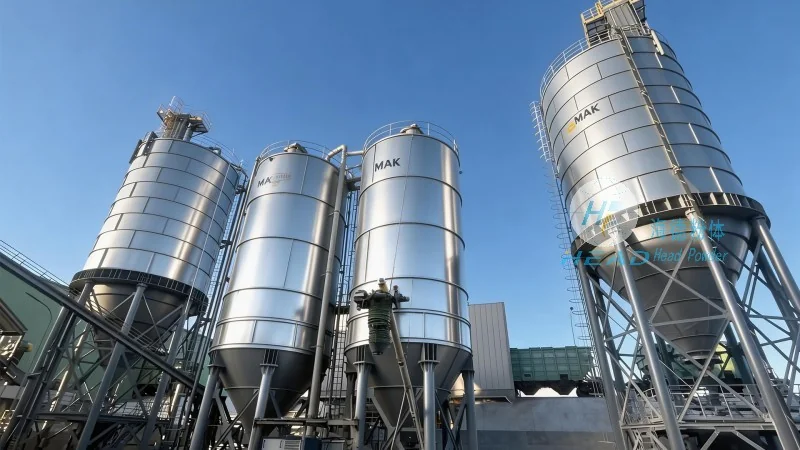
Factors to Consider When Choosing a Rice Conveying Method
When selecting a rice conveying method, several factors should be taken into account to ensure the best fit for the specific application. These include the distance to be covered, the volume of rice to be transported, the required speed and control, and the physical properties of the rice itself, such as moisture content, size, and shape. Additionally, the cost of installation, maintenance, and energy consumption plays a significant role in the decision-making process. For short distances and low volumes, gravity conveying may be sufficient, while for longer distances or higher volumes, mechanical conveying may be more appropriate. The choice also depends on the available space and the layout of the facility, as some systems require more horizontal or vertical space than others.
Conclusion
Choosing the right rice conveying method is essential for maintaining efficiency and product quality in rice processing operations. Whether using gravity, mechanical, or a combination of systems, understanding the advantages and limitations of each approach is key to making an informed decision. HeadPowder Engineering, with its expertise in bulk material handling, offers tailored solutions to meet the specific needs of rice handling facilities. By considering factors such as distance, volume, and operational requirements, businesses can select the most suitable conveying method to optimize their rice transportation processes.

 Công ty TNHH Kỹ thuật Công trình Bột Hải Đức Sơn Đông
 156-6277-7102(Quản lý Trương)
  0531-83386006
  Quận Chương Khâu, Thành phố Tế Nam, Tỉnh Sơn Đông, Trung Quốc
Điện thoại
WeChatTư vấn
Lên đầu