Công ty Hải Đức Bột với hơn 10 năm kinh nghiệm vận chuyển khí, cung cấp hệ thống‑thiết bị‑quạt gió và nhận dự án tổng thầu bột cả nước
Hot dry ash transport is a critical process in power generation and industrial facilities, focusing on the safe and efficient removal of ash from combustion processes. The selection of an appropriate transport method directly impacts operational efficiency, safety protocols, and environmental compliance. Various technologies are utilized to handle hot dry ash, each tailored to specific plant conditions, ash characteristics, and operational requirements.
Overview of Hot Dry Ash Transport Technologies
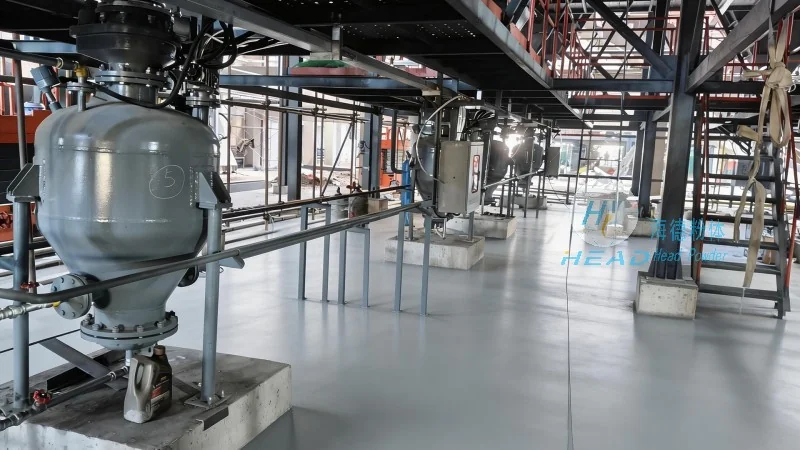
Hot dry ash, commonly known as fly ash or bottom ash, is produced during the combustion of fossil fuels such as coal or biomass. Its high temperature and abrasive nature necessitate specialized equipment and systems to convey it effectively. The primary transport methods include pneumatic conveying, mechanical conveying, and hybrid systems. Each approach offers distinct advantages and is chosen based on factors like distance, ash volume, and plant layout.
Pneumatic Conveying Systems
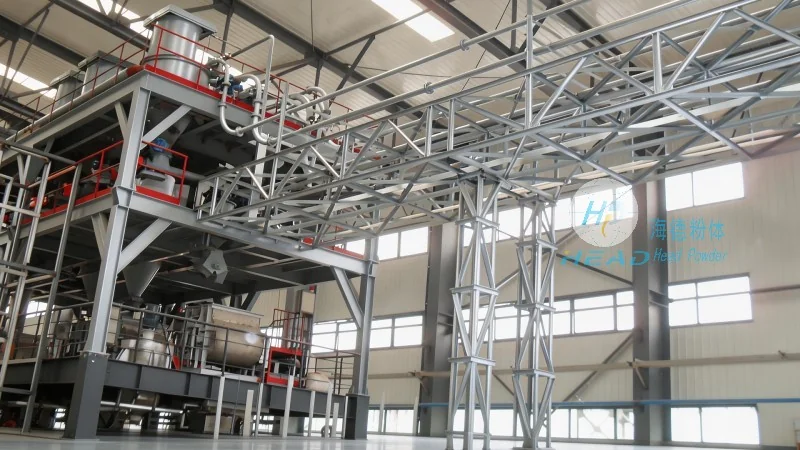
Pneumatic conveying employs air or gas to transport hot dry ash through a pipeline network. This method is highly effective for long-distance transport and can handle abrasive materials with minimal wear on components. Two main types exist: positive displacement systems (using rotary lobe or screw pumps) and pressure/venturi systems (utilizing high-velocity air to draw ash into the pipeline). Pneumatic systems excel in applications requiring dust control and flexible routing. They typically consist of ash collection hoppers, air compressors, and pipeline networks that can be configured for horizontal, vertical, or mixed orientations.
Mechanical Conveying Systems
Mechanical conveying relies on mechanical components like belts, buckets, or chains to move hot dry ash. Belt conveyors are widely used for horizontal transport due to their high capacity and durability, making them suitable for large ash volumes over moderate distances. Bucket elevators are employed for vertical transport, efficiently lifting ash from lower levels to higher storage or disposal areas. These systems are often preferred where existing infrastructure can be integrated, as they provide a visible, non-pneumatic transport solution. Mechanical conveyors are generally more cost-effective for short to medium distances and offer straightforward maintenance.
Hybrid Conveying Systems
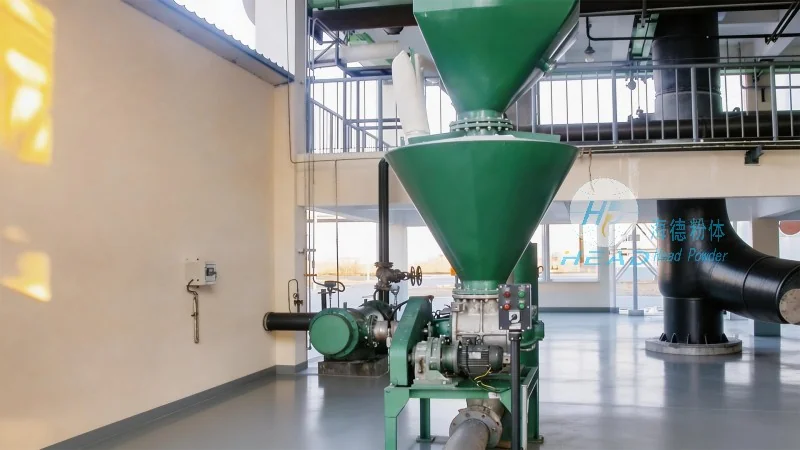
Hybrid systems combine pneumatic and mechanical components to leverage the strengths of both methods. For instance, a system might use a pneumatic conveyor for initial transport from the boiler to a collection point, followed by a mechanical conveyor for final delivery to storage silos. This approach enables flexible handling of varying ash volumes and temperatures. Hybrid systems are particularly beneficial in complex plant layouts requiring multiple transport segments. They enhance reliability and reduce downtime compared to single-method systems, as one component can operate independently if needed.
Key Factors in Transport Method Selection
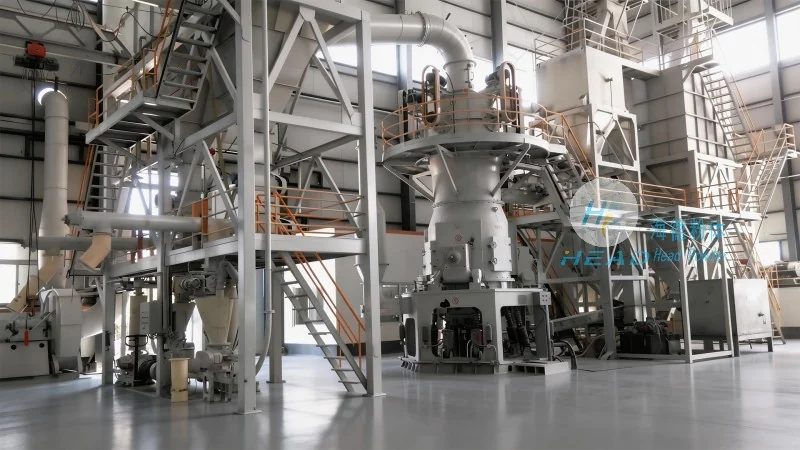
The choice of hot dry ash transport method depends on several critical factors, including plant size, ash characteristics (temperature, abrasiveness), distance to be covered, and budget constraints. Pneumatic systems are generally optimal for high-temperature and abrasive ash, while mechanical systems are better suited for large, non-abrasive ash volumes. The need for dust control, space availability, and maintenance requirements also influence the decision. In many cases, a combination of systems is recommended to optimize performance and cost. Proper design and regular maintenance of the transport system are essential to ensure long-term operational efficiency and compliance with environmental regulations.
Conclusion
Efficient hot dry ash transport is vital for maintaining the operational integrity of power plants and industrial facilities. The methods discussed—pneumatic, mechanical, and hybrid systems—each offer unique advantages tailored to specific operational needs. By evaluating ash characteristics and plant layout, facility managers can select the most appropriate transport system to ensure safe, reliable, and cost-effective handling of hot dry ash. Companies like Shandong HeadPowder Engineering Co., Ltd., with expertise in engineering and manufacturing, provide customized solutions to meet these diverse requirements, ensuring optimal performance and compliance in ash transport operations.

 Công ty TNHH Kỹ thuật Công trình Bột Hải Đức Sơn Đông
 156-6277-7102(Quản lý Trương)
  0531-83386006
  Quận Chương Khâu, Thành phố Tế Nam, Tỉnh Sơn Đông, Trung Quốc
Điện thoại
WeChatTư vấn
Lên đầu