Công ty Hải Đức Bột với hơn 10 năm kinh nghiệm vận chuyển khí, cung cấp hệ thống‑thiết bị‑quạt gió và nhận dự án tổng thầu bột cả nước
Wood ash, a byproduct of biomass combustion, is often used in agriculture and industry for its nutrient content and soil amendment properties. Efficient transport of wood ash is crucial for maximizing its utilization and ensuring consistent quality. This article explores the various methods employed for wood ash transportation, highlighting the technical aspects and practical considerations involved, with a focus on solutions provided by Shandong HeadPowder Engineering Co., Ltd.
Overview of Wood Ash Transportation
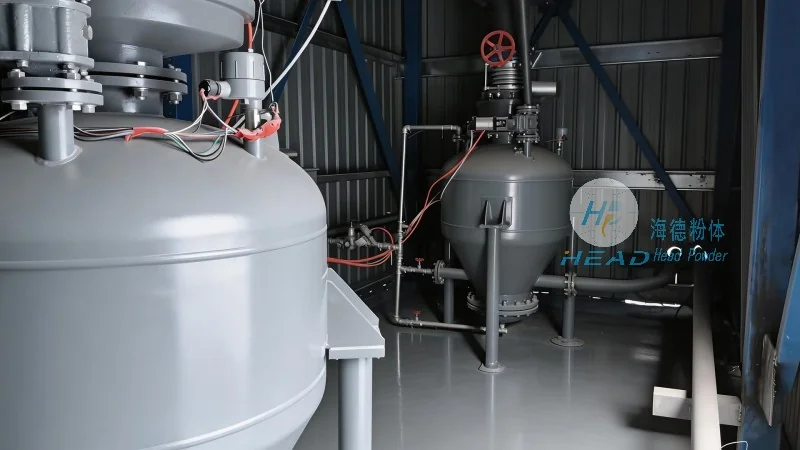
Before delving into specific transport methods, it is essential to understand the characteristics of wood ash that influence handling and transport. Wood ash typically consists of inorganic materials, including calcium, potassium, and other minerals, and has a fine to medium particle size. These properties affect the choice of transport equipment and systems to prevent dust generation, material degradation, and operational inefficiencies.
Key Factors Influencing Wood Ash Transport Methods
The selection of a wood ash transport method depends on several factors, including the volume of ash to be moved, the distance of transport, the destination (e.g., agricultural fields, storage facilities), and the existing infrastructure at the source and receiving sites. Economic considerations, such as equipment cost, maintenance, and operational expenses, also play a significant role in determining the most suitable transport solution. Additionally, environmental regulations regarding dust control and emissions may dictate the type of equipment used to minimize environmental impact.
Common Wood Ash Transport Methods
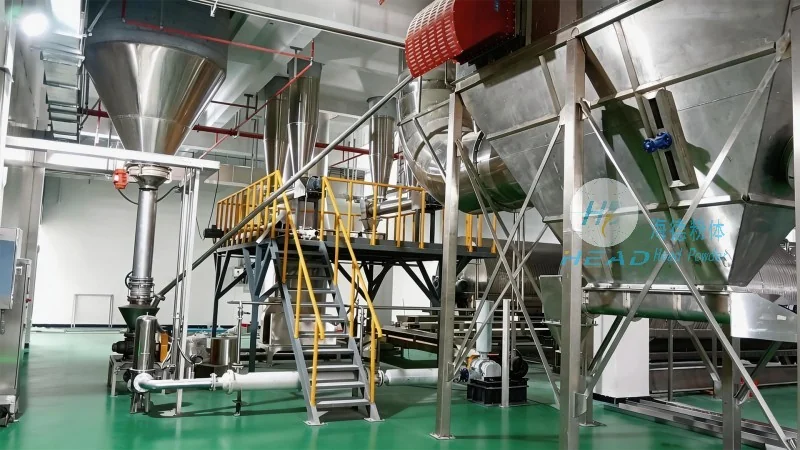
Several methods are commonly used for transporting wood ash, each with its advantages and limitations. The primary methods include bulk handling systems, pneumatic conveying, and mechanical transport systems. Each method is designed to address specific operational requirements and site conditions.
Bulk Handling Systems
Bulk handling systems are widely used for large-scale wood ash transport, particularly in industrial settings where high volumes of ash are generated. These systems typically involve the use of conveyor belts, bucket elevators, and screw conveyors to move ash from the combustion facility to storage or processing areas. Conveyor belts are suitable for horizontal and slight incline transport, while bucket elevators are ideal for vertical transport over significant heights. Screw conveyors are effective for moving ash in confined spaces and for feeding other processing equipment.
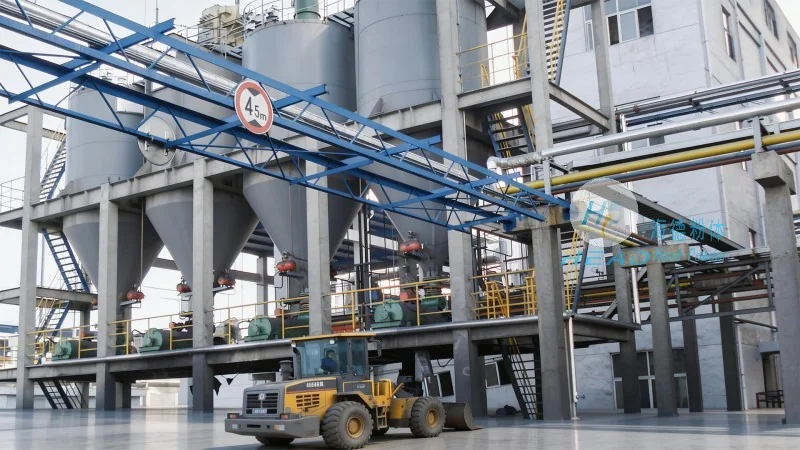
Pneumatic Conveying
Pneumatic conveying uses air pressure to transport wood ash through a pipeline system. This method is particularly effective for fine ash particles and for long-distance transport, as it can move material over distances of several kilometers without the need for intermediate storage or transfer points. There are two main types of pneumatic conveying: positive displacement and pressure-assisted systems. Positive displacement systems use a pump to create a vacuum or pressure to move ash, while pressure-assisted systems rely on compressed air to push the material through the pipeline. Pneumatic conveying is advantageous for its ability to handle fine particles, minimize dust emissions, and operate in enclosed systems, reducing environmental impact.
Mechanical Transport Systems
Mechanical transport systems include trucks, railcars, and specialized vehicles equipped with bulk containers or hopper trailers. These systems are commonly used for transporting wood ash from the source to off-site locations, such as agricultural fields or storage facilities. Trucks are versatile and can be used for short to medium distances, while railcars are more suitable for long-distance transport over fixed routes. The choice of vehicle depends on the volume of ash to be transported, the distance, and the accessibility of the receiving site. Mechanical transport systems are often combined with other handling equipment at the source and destination to ensure efficient loading and unloading.
Integration of Transport Methods
In many cases, a combination of transport methods is used to optimize wood ash handling. For example, bulk handling systems may be used to move ash from the combustion facility to a storage silo, followed by pneumatic conveying to transport ash from the silo to the final destination. This integrated approach allows for efficient material flow and minimizes downtime. The selection of the integrated system depends on the specific operational requirements, including the volume of ash, the distance, and the destination. Proper integration ensures that each component of the system operates at its optimal efficiency, reducing overall operational costs and improving the reliability of the transport process.
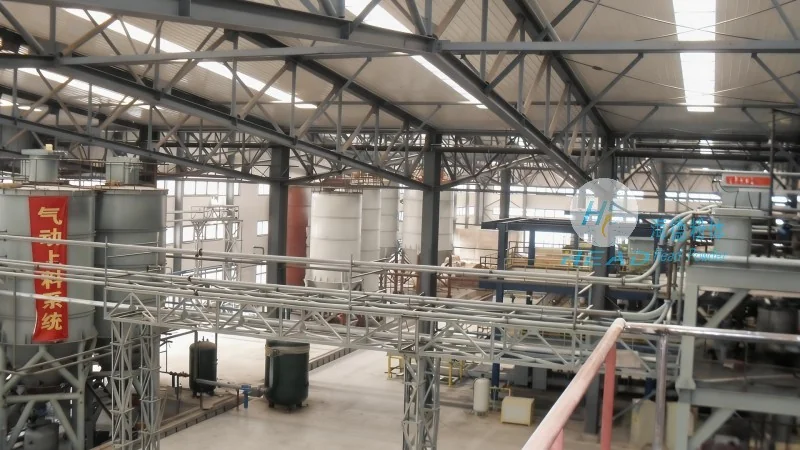
Operational Considerations for Wood Ash Transport
Operational considerations are critical for ensuring the effectiveness and safety of wood ash transport. Regular maintenance of equipment is essential to prevent breakdowns and ensure consistent performance. Dust control measures, such as using enclosed systems and wetting the material during transport, are important to minimize environmental impact and protect personnel. Additionally, proper training of operators is necessary to ensure safe and efficient operation of the transport systems. Compliance with environmental regulations and safety standards is also a key consideration to avoid penalties and ensure the long-term sustainability of the transport operation.
Conclusion
Efficient wood ash transport is essential for maximizing the utilization of this valuable byproduct and ensuring its consistent quality. The choice of transport method depends on various factors, including volume, distance, destination, and infrastructure. Bulk handling systems, pneumatic conveying, and mechanical transport systems are the primary methods used, each with its advantages and limitations. By carefully considering the operational requirements and integrating appropriate transport methods, wood ash can be transported safely and efficiently, supporting its use in agriculture and industry. As the demand for sustainable biomass utilization grows, the development of advanced transport systems will continue to improve the efficiency and sustainability of wood ash handling, with companies like Shandong HeadPowder Engineering Co., Ltd. playing a key role in providing innovative solutions for wood ash management.

 Công ty TNHH Kỹ thuật Công trình Bột Hải Đức Sơn Đông
 156-6277-7102(Quản lý Trương)
  0531-83386006
  Quận Chương Khâu, Thành phố Tế Nam, Tỉnh Sơn Đông, Trung Quốc
Điện thoại
WeChatTư vấn
Lên đầu