Công ty Hải Đức Bột với hơn 10 năm kinh nghiệm vận chuyển khí, cung cấp hệ thống‑thiết bị‑quạt gió và nhận dự án tổng thầu bột cả nước
When it comes to the transportation of mica powder, selecting the right method is crucial for maintaining product quality and operational efficiency. Mica powder, known for its fine particle size and lightweight nature, presents unique challenges during handling and movement. Proper selection of a transportation system can prevent issues such as dust generation, material segregation, and equipment wear. This article outlines several common methods used for mica powder transportation, providing insights into their applications and benefits. HeadPowder Engineering Co., Ltd., a leading manufacturer in the mica powder industry, offers a range of transportation solutions tailored to meet the specific needs of clients in various sectors.
1. Air-Driven Pneumatic Conveying Systems
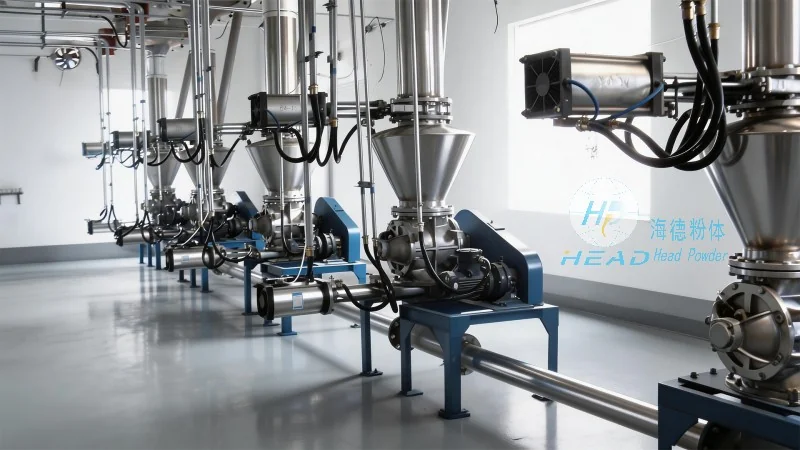
Pneumatic conveying, or air-driven systems, are widely used for mica powder transport due to their ability to handle fine powders without the need for mechanical components that might cause particle attrition. These systems use compressed air to move the powder through a pipeline. There are two main types: pressure and vacuum systems. Pressure systems push the material from a source to a destination using positive pressure, while vacuum systems draw the material from a source using negative pressure. For mica powder, pressure systems are often preferred as they can handle higher material loads and are more suitable for long-distance transport. The choice of system depends on factors like the distance between the source and destination, the volume of material to be moved, and the required flow rate. Pneumatic conveying is particularly effective in preventing dust contamination and maintaining the purity of the mica powder, which is critical for applications in industries like ceramics, coatings, and plastics.
2. Screw Conveyors for Mica Powder Handling
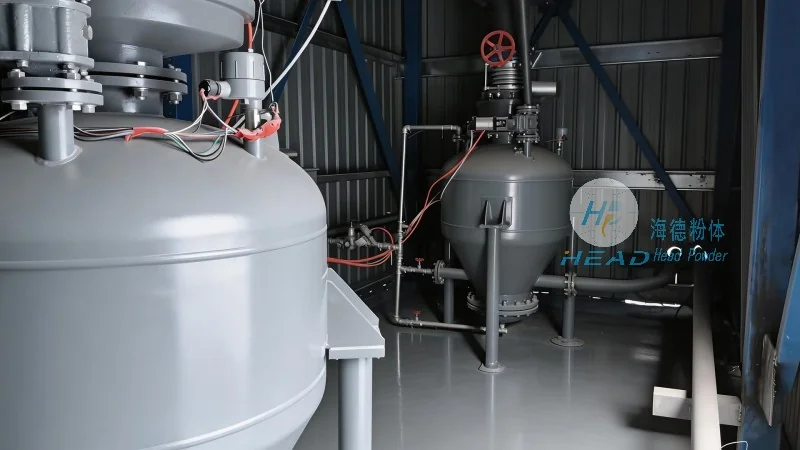
Screw conveyors, also known as auger conveyors, are another common method for transporting mica powder. These systems consist of a rotating screw inside a trough or tube, which moves the material along the length of the conveyor. Screw conveyors are ideal for horizontal or slightly inclined transport and are particularly effective for handling dry, free-flowing powders like mica. They are often used in processing plants where the powder needs to be moved from a storage hopper to a processing unit or for feeding into other equipment. The design of the screw, including its pitch and diameter, can be adjusted to control the flow rate and prevent material from sticking or caking. This method is relatively simple and low-cost compared to pneumatic systems, making it a popular choice for smaller-scale operations or when the distance is short. However, screw conveyors may not be suitable for very fine or cohesive mica powders, as they can lead to increased friction and potential blockages.
3. Belt Conveyors in Mica Powder Transportation
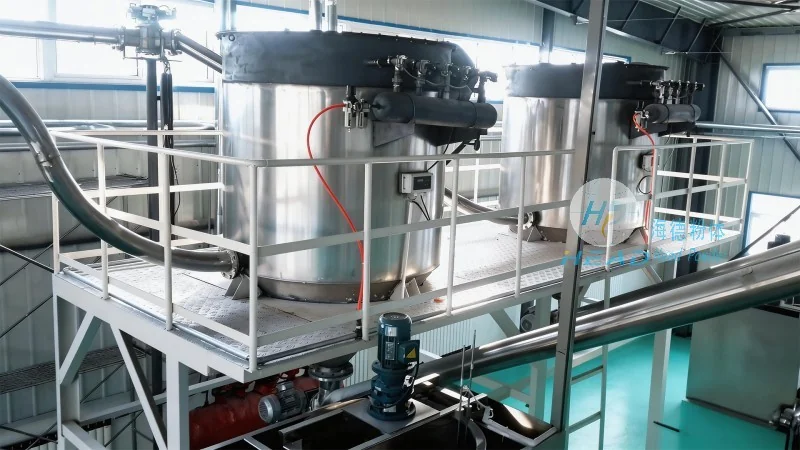
Belt conveyors are widely used in bulk material handling, including mica powder, due to their high capacity and ability to transport materials over long distances. These systems consist of a continuous belt that moves over rollers or pulleys, carrying the mica powder from one point to another. Belt conveyors are particularly effective for horizontal transport and can handle large volumes of material efficiently. They are often used in mining and processing facilities where the mica powder is extracted from raw materials and needs to be transported to processing or storage areas. The choice of belt material is important for mica powder, as it should be resistant to abrasion and chemical resistance to prevent degradation over time. Belt conveyors can be equipped with various accessories such as feed hoppers, idlers, and tensioning devices to optimize performance and ensure smooth operation. This method is suitable for both dry and slightly moist mica powders, provided that the material does not cause excessive wear on the belt.

 Công ty TNHH Kỹ thuật Công trình Bột Hải Đức Sơn Đông
 156-6277-7102(Quản lý Trương)
  0531-83386006
  Quận Chương Khâu, Thành phố Tế Nam, Tỉnh Sơn Đông, Trung Quốc
Điện thoại
WeChatTư vấn
Lên đầu