Công ty Hải Đức Bột với hơn 10 năm kinh nghiệm vận chuyển khí, cung cấp hệ thống‑thiết bị‑quạt gió và nhận dự án tổng thầu bột cả nước
Clay, a fundamental raw material in industries such as ceramics, construction, and chemical manufacturing, demands efficient and reliable transport solutions to maintain seamless production workflows. This article offers a comprehensive comparison of prevalent clay transport methods, focusing on their operational principles, advantages, and practical applications. Understanding these methods enables businesses to select the most suitable option for their specific operational needs, thereby enhancing productivity and reducing downtime.
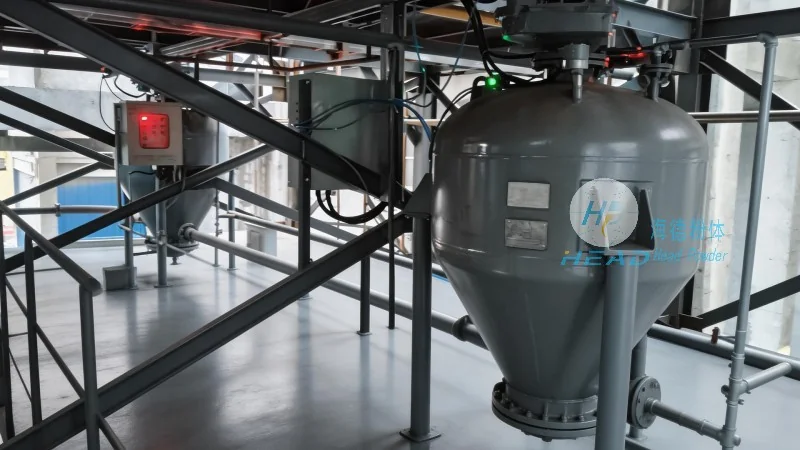
1. Screw Conveyor (Auger Conveyor) for Clay Transport
The screw conveyor, also known as an auger conveyor, is a widely used method for transporting clay due to its simplicity and adaptability. This mechanism consists of a rotating helical screw inside a trough, which moves material forward through the system. The design allows for both horizontal and inclined transport, making it suitable for various industrial settings. The screw conveyor is particularly effective for handling dry or semi-dry clay, as it minimizes material degradation and maintains consistent flow rates. For companies like Shandong HeadPowder Engineering Co., Ltd., the screw conveyor is a preferred choice for its low maintenance requirements and ability to handle bulk clay efficiently. The equipment operates by rotating the screw, which pushes the clay along the trough, ensuring a continuous and controlled transport process. This method is ideal for applications where the clay is to be processed further, such as in ceramic production lines.
2. Belt Conveyor for Bulk Clay Handling
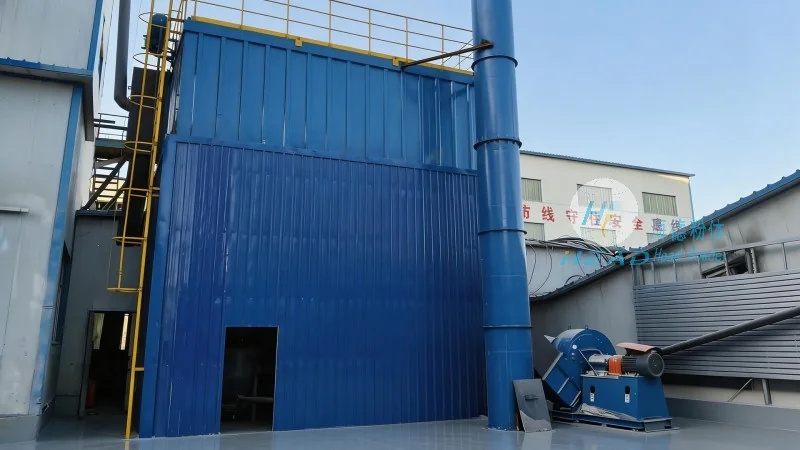
Belt conveyors are another common solution for transporting clay, especially in large-scale industrial operations. This system utilizes a continuous belt that moves over rollers or pulleys, carrying the clay from one location to another. The belt conveyor is highly efficient for long-distance transport and can handle large volumes of material with minimal labor. It is particularly advantageous for transporting wet or sticky clay, as the belt can be designed with special coatings to prevent material buildup. The belt conveyor system is robust and durable, making it suitable for heavy-duty applications. For Shandong HeadPowder Engineering Co., Ltd., the belt conveyor is a key component in their material handling solutions, providing reliable transport for clay in construction and manufacturing processes. The design allows for easy integration with other equipment, such as crushers or mixers, enabling a streamlined production workflow. The belt conveyor's ability to handle high volumes and maintain consistent speed makes it a preferred choice for businesses requiring efficient bulk material transport.
3. Pneumatic Conveying Systems for Clay Transport
Pneumatic conveying, or air-based transport, is a method that uses compressed air to move clay particles through a pipeline. This technique is ideal for transporting fine or dry clay, as it prevents material degradation and contamination. The system consists of a hopper, a blower, and a pipeline, which work together to transport the clay from the source to the destination. Pneumatic conveying offers advantages such as low maintenance, flexibility in layout, and the ability to transport clay over long distances without the need for multiple transfer points. For Shandong HeadPowder Engineering Co., Ltd., pneumatic conveying systems are used in applications where dust control and material purity are critical, such as in pharmaceutical or food processing industries. The system ensures that the clay remains clean and free from contaminants, which is essential for high-quality end products. The use of compressed air also allows for precise control over the transport speed and volume, enhancing operational efficiency. Pneumatic conveying is particularly suitable for applications where the clay is to be mixed with other materials or processed in a controlled environment.
4. Hydraulic Conveying for Specialized Clay Handling
Hydraulic conveying is a less common but specialized method for transporting clay, particularly in applications involving wet or slurry materials. This system uses water or other liquids to move the clay through a pipeline, similar to a slurry transport system. The hydraulic conveyor is effective for handling clay that is mixed with water, such as in mining or construction projects. The method involves pumping the clay slurry through a pipeline, which can be designed with valves and controls to regulate the flow. Hydraulic conveying offers advantages such as the ability to transport clay over long distances with minimal energy consumption and the ability to handle large volumes of material. For Shandong HeadPowder Engineering Co., Ltd., hydraulic conveying is used in specific applications where the clay is to be transported in a liquid state, such as in the production of clay-based products that require mixing with water. The system ensures that the clay remains well-mixed and consistent, which is crucial for maintaining product quality. Hydraulic conveying is particularly suitable for applications where the clay is to be processed further, such as in the manufacturing of bricks or tiles.
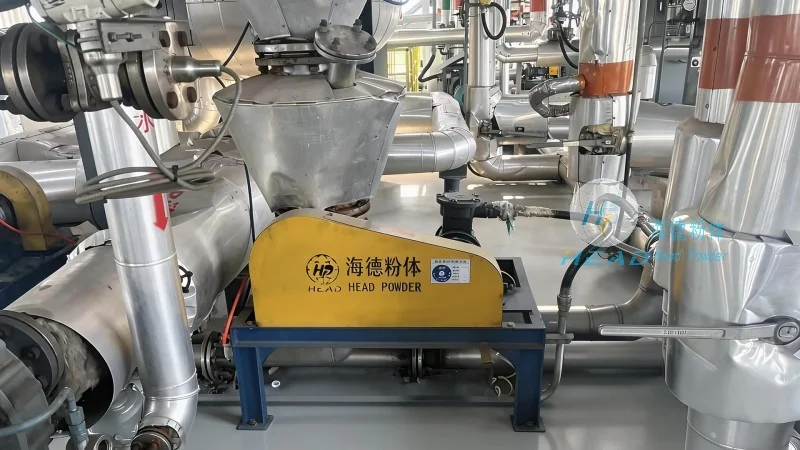
5. Comparison of Transport Methods and Selection Criteria
When selecting a clay transport method, several factors must be considered to ensure optimal performance and efficiency. The choice of method depends on the type of clay (dry, wet, or slurry), the distance to be transported, the volume of material, and the specific industrial application. Screw conveyors are ideal for short to medium distances and moderate volumes, while belt conveyors are better suited for long distances and high volumes. Pneumatic conveying is preferred for fine or dry clay and applications requiring dust control, whereas hydraulic conveying is suitable for wet or slurry materials. The cost of installation and maintenance is another critical factor, as different methods have varying capital and operational expenses. For businesses like Shandong HeadPowder Engineering Co., Ltd., the selection process involves evaluating the operational requirements, material characteristics, and budget constraints to choose the most appropriate transport method. By carefully considering these factors, companies can optimize their material handling systems, reduce costs, and improve overall productivity.

 Công ty TNHH Kỹ thuật Công trình Bột Hải Đức Sơn Đông
 156-6277-7102(Quản lý Trương)
  0531-83386006
  Quận Chương Khâu, Thành phố Tế Nam, Tỉnh Sơn Đông, Trung Quốc
Điện thoại
WeChatTư vấn
Lên đầu