Công ty Hải Đức Bột với hơn 10 năm kinh nghiệm vận chuyển khí, cung cấp hệ thống‑thiết bị‑quạt gió và nhận dự án tổng thầu bột cả nước
Water-encapsulated powder, also known as water-protected powder, is a critical material in various industrial applications, including construction, chemical processing, and food production. The efficient and safe conveyance of this material is essential for maintaining product quality and operational efficiency. This article explores the primary methods used for conveying water-encapsulated powder, highlighting the key considerations and advantages of each approach, with a focus on solutions provided by Shandong HeadPowder Engineering Co., Ltd. (HeadPowder).
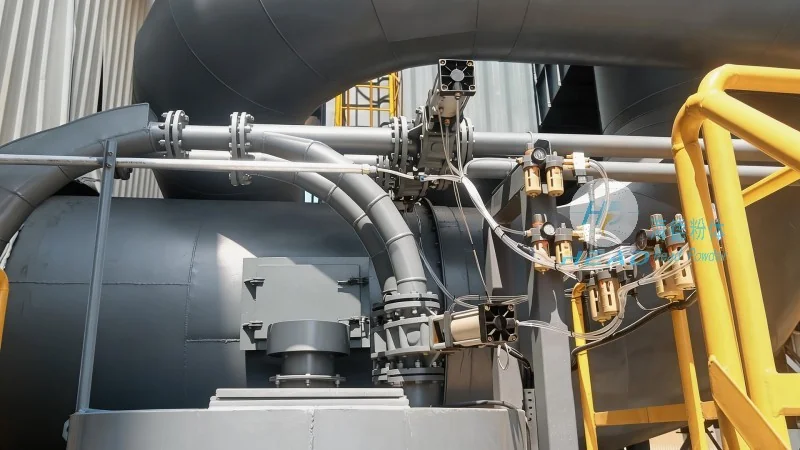
Introduction to Water-Encapsulated Powder Conveying
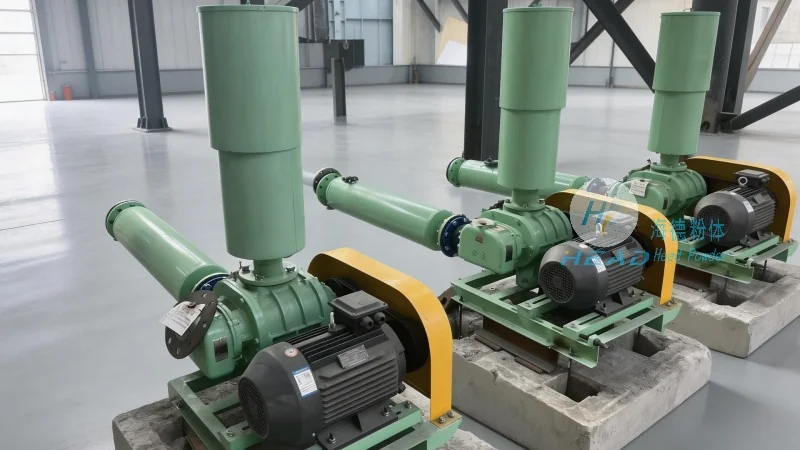
Before delving into the specific conveying methods, it is important to understand the nature of water-encapsulated powder. This material consists of fine powder particles coated with a thin layer of water, which helps to prevent caking, agglomeration, and dust generation. The moisture content is carefully controlled to ensure the powder remains free-flowing while still being protected from environmental factors. Effective conveying systems must preserve this moisture balance and prevent the powder from drying out or becoming overly wet, which could compromise its performance and handling characteristics. Shandong HeadPowder Engineering Co., Ltd. specializes in designing and manufacturing conveying systems that maintain the optimal moisture level for water-encapsulated powders, ensuring consistent product quality.
Pipeline Conveying Systems
One of the most common methods for water-encapsulated powder conveyance is through pipeline systems. These systems utilize closed pipes to transport the material from the source to the destination, minimizing exposure to air and preventing contamination. The pipeline design typically includes a series of pumps, valves, and elbows to ensure smooth flow and prevent blockages. For water-encapsulated powder, specialized pumps such as centrifugal or positive displacement pumps are often employed to maintain the required moisture level and prevent the powder from settling or clogging the pipes. The pipeline system is particularly effective for long-distance transport and can be integrated with other processing equipment, such as mixers or reactors, to streamline the production process. HeadPowder's pipeline conveying solutions are engineered to handle the unique challenges of water-encapsulated powders, ensuring reliable and efficient transport over extended distances.
Air-Driven Pneumatic Conveying
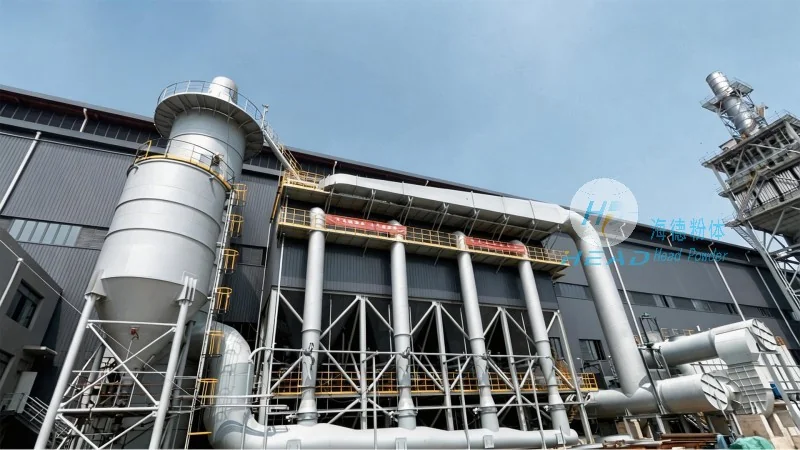
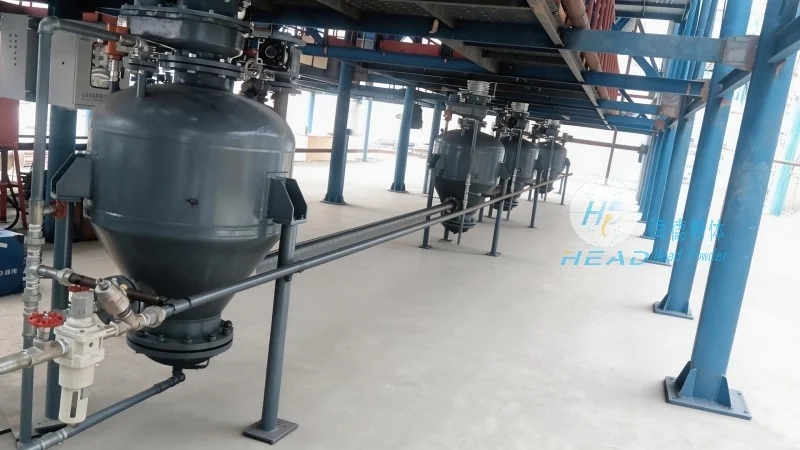
Another widely used method is air-driven pneumatic conveying, which relies on the force of compressed air to move the powder through a pipeline. This technique is suitable for both low and high-pressure applications and can handle a wide range of powder types, including water-encapsulated powders. The system typically consists of a blower, a hopper, and a pipeline with a series of inlets and outlets. The compressed air creates a low-pressure zone that draws the powder into the pipeline, where it is carried to the destination. Pneumatic conveying offers advantages such as low maintenance requirements, flexibility in layout, and the ability to transport materials over long distances without the need for multiple transfer points. However, it is important to ensure that the air pressure and flow rate are optimized to prevent the powder from drying out or becoming overly aerated, which could affect its handling properties. HeadPowder provides pneumatic conveying systems that include moisture control features to maintain the optimal moisture content of water-encapsulated powders during transport.
Mechanical Conveying Equipment
Mechanical conveying equipment, such as screw conveyors, belt conveyors, and bucket elevators, is also used for water-encapsulated powder transport. These systems rely on mechanical motion to move the material along a fixed path. Screw conveyors, for example, use a rotating screw to push the powder forward, while belt conveyors use a moving belt to transport the material in a continuous flow. Mechanical conveyors are often preferred for short-distance transport or when the material needs to be elevated to a higher level. They are relatively simple to install and maintain, and can be integrated with other processing equipment to form a complete conveying system. However, mechanical conveyors may require more space and energy compared to pneumatic systems, and they may not be as effective for handling very fine or cohesive powders. HeadPowder offers mechanical conveying solutions tailored to the specific needs of water-encapsulated powders, ensuring smooth and efficient transport in industrial settings.

 Công ty TNHH Kỹ thuật Công trình Bột Hải Đức Sơn Đông
 156-6277-7102(Quản lý Trương)
  0531-83386006
  Quận Chương Khâu, Thành phố Tế Nam, Tỉnh Sơn Đông, Trung Quốc
Điện thoại
WeChatTư vấn
Lên đầu