Công ty Hải Đức Bột với hơn 10 năm kinh nghiệm vận chuyển khí, cung cấp hệ thống‑thiết bị‑quạt gió và nhận dự án tổng thầu bột cả nước
When it comes to the efficient handling and transportation of rice husk ash, selecting the right conveying method is crucial for optimizing industrial processes. As a leading provider in the field, Shandong HeadPowder Engineering Co., Ltd. specializes in delivering innovative solutions tailored to the unique demands of rice husk ash management. This article explores the various conveying methods used for rice husk ash, highlighting their applications, advantages, and how they contribute to effective material handling in industrial settings.
About Shandong HeadPowder Engineering Co., Ltd.
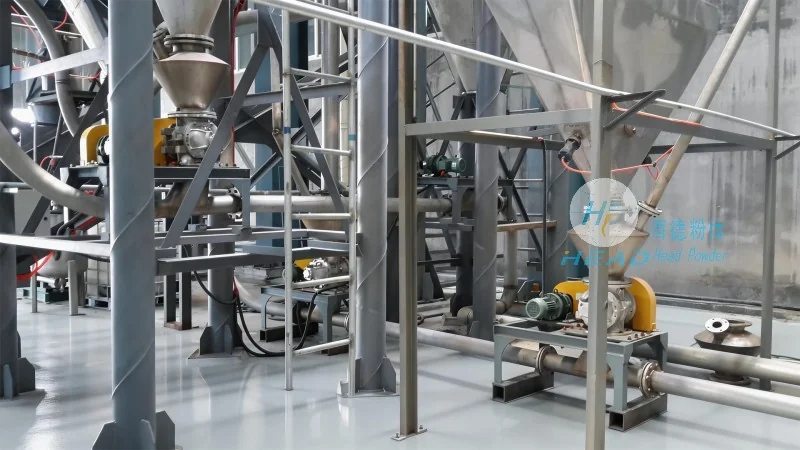
Shandong HeadPowder Engineering Co., Ltd., commonly known as HeadPowder, is a reputable company based in Shandong, China. With a strong commitment to quality and technological advancement, HeadPowder has established itself as a trusted partner in the engineering and processing of rice husk ash. The company’s expertise lies in developing and implementing efficient conveying systems that ensure the safe and reliable transport of rice husk ash from production sites to processing facilities or storage areas. By leveraging years of industry experience, HeadPowder offers tailored solutions that meet the specific requirements of clients in various sectors, including power generation, construction, and environmental management.
Understanding Rice Husk Ash and Its Conveying Needs
Rice husk ash is a byproduct generated during the combustion of rice husks, commonly used as a raw material in cement production, as a fuel additive, or for other industrial applications. Due to its fine particle size and potentially abrasive nature, the conveying of rice husk ash requires specialized equipment and methods to prevent material degradation, equipment wear, and operational inefficiencies. Effective conveying systems must address challenges such as dust generation, material segregation, and the need for gentle handling to maintain the quality of the ash. The choice of conveying method depends on factors like the ash's physical properties, the distance to be covered, the required flow rate, and the overall system layout.
Common Conveying Methods for Rice Husk Ash
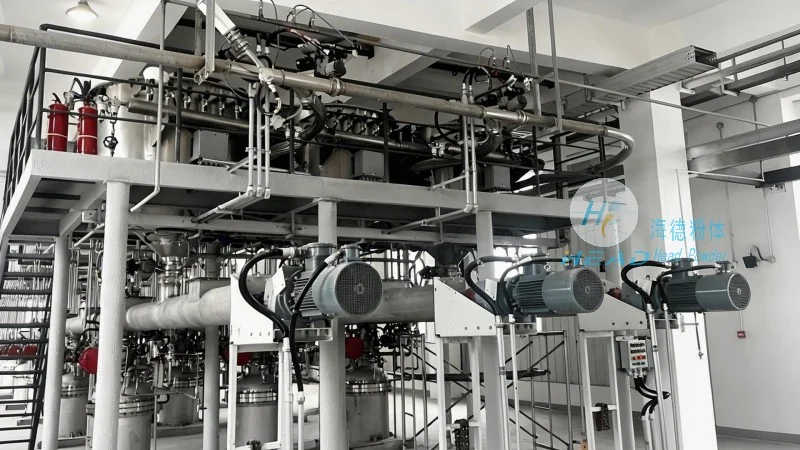
Several conveying methods are widely used for rice husk ash, each with distinct characteristics and applications. The primary methods include pneumatic conveying, belt conveyors, screw conveyors, and bucket elevators. Each method offers advantages and limitations that make it suitable for specific scenarios. Below is a detailed overview of these conveying techniques.
Pneumatic Conveying Systems
Pneumatic conveying, also known as air conveying, is a popular method for transporting rice husk ash due to its ability to handle fine powders over relatively long distances. This system operates by using compressed air to move the material through a pipeline. There are two main types of pneumatic conveying: pressure and vacuum systems. Pressure systems use positive pressure to push the material forward, while vacuum systems use negative pressure to pull the material. Pneumatic conveying is particularly effective for handling dust and fine particles, as it can transport the material without direct contact, reducing wear on equipment and minimizing the risk of material degradation. However, it requires careful design to prevent pressure drops and ensure consistent flow. The system typically includes components such as a hopper, a feeder, a pipeline, and a receiver. For rice husk ash, pressure pneumatic conveying is often preferred as it can handle higher flow rates and longer distances efficiently.
Belt Conveyors
Belt conveyors are a widely recognized and reliable method for transporting bulk materials, including rice husk ash. This system consists of a continuous belt that moves over rollers or pulleys, carrying the material from one point to another. Belt conveyors are suitable for both horizontal and inclined transport, making them versatile for various industrial applications. They are particularly effective for transporting larger quantities of rice husk ash over moderate distances. The key advantages of belt conveyors include their ability to handle high flow rates, low maintenance costs, and the capacity to transport materials with minimal degradation. However, they may not be ideal for very fine or abrasive materials, as the belt and rollers can experience wear over time. Proper maintenance, such as regular belt tension checks and pulley lubrication, is essential to ensure the longevity and efficiency of the system. Belt conveyors are commonly used in power plants and cement factories where large volumes of rice husk ash need to be moved from storage to processing areas.
Screw Conveyors
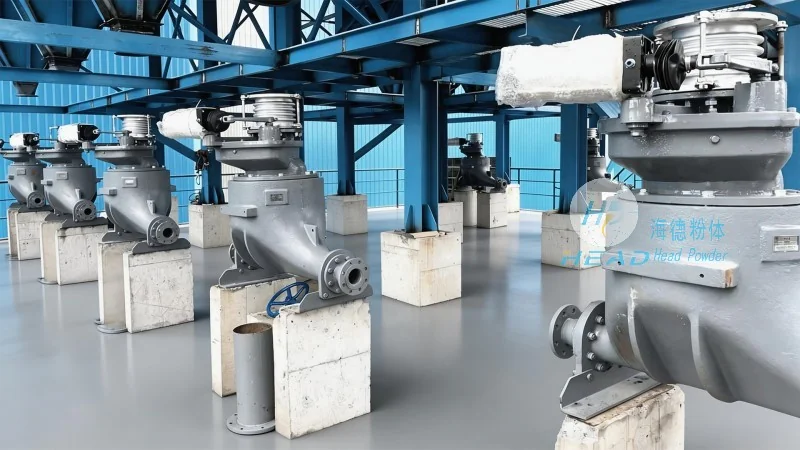
Screw conveyors, also known as auger conveyors, are another common method for conveying rice husk ash. This system uses a rotating screw or auger to move the material along a trough. Screw conveyors are suitable for both horizontal and vertical transport, making them versatile for different system configurations. They are particularly effective for handling fine to medium-sized particles and can transport materials at a consistent rate. The screw conveyor consists of a helical screw rotating inside a trough, which pushes the material forward. The speed of the screw and the pitch of the helix can be adjusted to control the flow rate and prevent material buildup. Screw conveyors are often used in applications where the material needs to be elevated or moved through a vertical section, such as in silos or storage bins. They are also suitable for handling materials with a tendency to segregate, as the screw can mix the material gently. However, screw conveyors may not be ideal for very abrasive or sticky materials, as the screw and trough can experience wear. Regular cleaning and maintenance are necessary to prevent material accumulation and ensure smooth operation.
Bucket Elevators
Bucket elevators are a vertical conveying method commonly used for transporting rice husk ash from lower to higher levels. This system consists of a vertical or inclined conveyor with a series of buckets attached to a chain or belt. The buckets are filled with rice husk ash at the bottom and then lifted to the top, where the material is discharged. Bucket elevators are particularly effective for vertical transport over significant heights, making them suitable for applications where the ash needs to be moved from ground-level storage to elevated processing facilities. The key advantages of bucket elevators include their ability to handle high vertical lifts, low power consumption, and the capacity to transport materials without spillage. However, they require careful alignment and maintenance to prevent bucket damage and ensure consistent operation. The system typically includes a feed hopper, a drive unit, and a discharge mechanism. Bucket elevators are commonly used in power plants and industrial facilities where vertical transport of rice husk ash is necessary, such as in the transfer of ash from boiler rooms to storage silos.
Choosing the Right Conveying Method for Rice Husk Ash
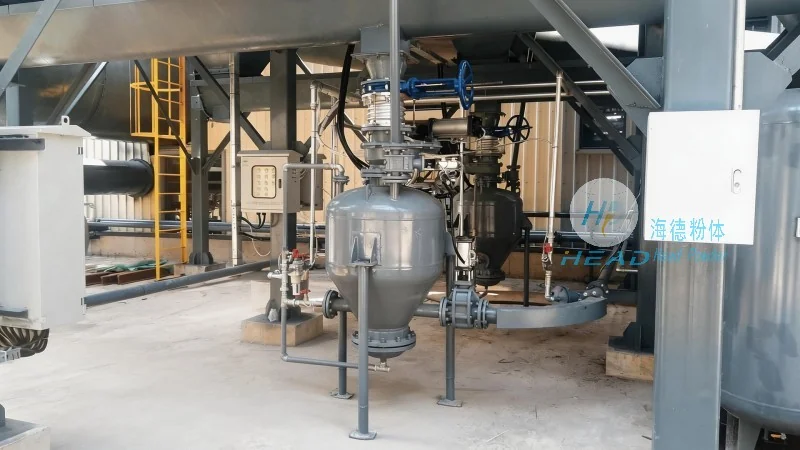
When selecting a conveying method for rice husk ash, several factors must be considered to ensure optimal performance and efficiency. The first consideration is the physical properties of the ash, including its particle size, moisture content, and abrasiveness. Fine and dry ash may be better suited for pneumatic conveying, while larger or bulkier materials may be more effectively handled by belt or screw conveyors. The distance to be covered and the required flow rate are also critical factors. For short distances and moderate flow rates, screw or belt conveyors may be sufficient, while pneumatic conveying is ideal for longer distances or high flow rates. The overall system layout and available space also play a role in the selection process. Additionally, the cost of equipment, maintenance, and energy consumption should be evaluated to determine the most economical and sustainable option. Consulting with experts, such as those at Shandong HeadPowder Engineering Co., Ltd., can provide valuable insights into the best conveying method for specific applications, ensuring that the chosen system meets all operational and safety requirements.
Conclusion
In conclusion, the selection of an appropriate conveying method for rice husk ash is essential for the efficient and reliable operation of industrial processes. Each conveying method—pneumatic, belt, screw, and bucket elevators—offers unique advantages and is suitable for different applications. By understanding the characteristics of rice husk ash and the requirements of the system, industrial facilities can choose the most effective conveying solution. Shandong HeadPowder Engineering Co., Ltd. provides comprehensive solutions and expertise to help clients select and implement the right conveying method for their rice husk ash handling needs. With a focus on quality, innovation, and customer satisfaction, HeadPowder continues to be a trusted partner in the industry, delivering efficient and sustainable solutions for rice husk ash management.

 Công ty TNHH Kỹ thuật Công trình Bột Hải Đức Sơn Đông
 156-6277-7102(Quản lý Trương)
  0531-83386006
  Quận Chương Khâu, Thành phố Tế Nam, Tỉnh Sơn Đông, Trung Quốc
Điện thoại
WeChatTư vấn
Lên đầu