Công ty Hải Đức Bột với hơn 10 năm kinh nghiệm vận chuyển khí, cung cấp hệ thống‑thiết bị‑quạt gió và nhận dự án tổng thầu bột cả nước
When it comes to handling rice husk, selecting the right conveying method is crucial for optimizing efficiency and ensuring smooth operations in agricultural processing facilities. Rice husk, a byproduct of rice milling, is often used as fuel, animal feed, or in industrial applications, making its proper transportation essential for downstream processes. This article explores various methods used for rice husk conveying, highlighting the advantages and considerations of each approach.
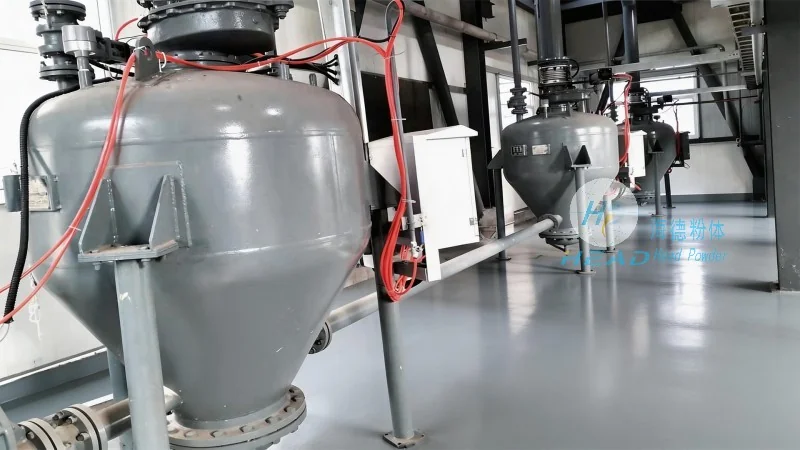
HeadPowder's Expertise in Rice Husk Conveying Solutions
Shandong HeadPowder Engineering Co., Ltd., a leading provider of engineering solutions for material handling, specializes in designing and manufacturing systems tailored to the unique challenges of rice husk processing. With years of experience in the industry, HeadPowder understands the importance of reliable conveying systems that can handle the bulk and variability of rice husk. The company's team of engineers works closely with clients to assess their specific needs, from small-scale operations to large industrial plants, ensuring customized solutions that enhance productivity and reduce operational costs.
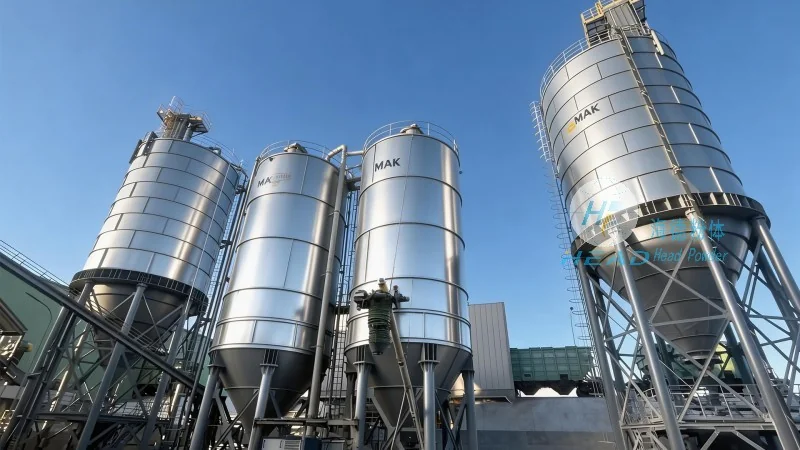
Common Conveying Methods for Rice Husk
Several methods are commonly employed for rice husk conveying, each with its own set of advantages and limitations. The choice of method often depends on factors such as the volume of material, the distance to be conveyed, the required speed, and the physical properties of the rice husk itself. Here are some of the most widely used approaches:
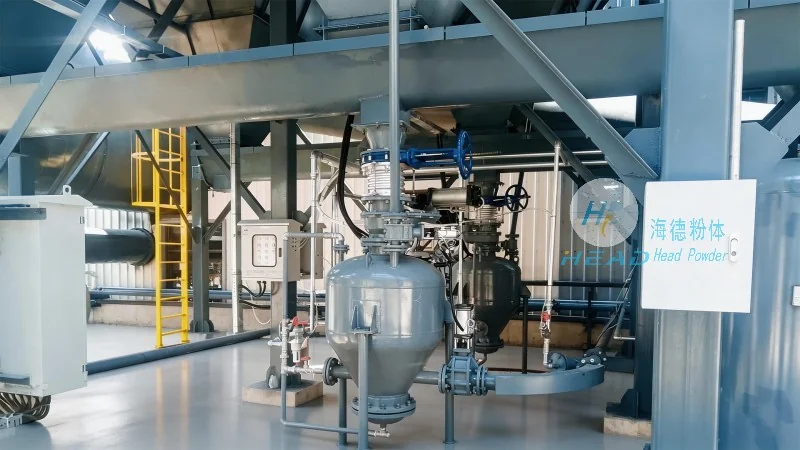
1. Belt Conveyors for Rice Husk
Belt conveyors are one of the most popular methods for transporting rice husk due to their simplicity, reliability, and ability to handle large volumes. These systems consist of a continuous belt that moves over rollers or pulleys, carrying the rice husk from one point to another. Belt conveyors are particularly effective for horizontal or slightly inclined conveyance, making them suitable for transporting rice husk from storage silos to processing equipment or for moving it over longer distances. The smooth surface of the belt allows for minimal friction, reducing wear and tear on the material and the conveyor system. Additionally, belt conveyors can be equipped with various accessories, such as feeders or diverters, to control the flow of rice husk and ensure consistent operation.

 Công ty TNHH Kỹ thuật Công trình Bột Hải Đức Sơn Đông
 156-6277-7102(Quản lý Trương)
  0531-83386006
  Quận Chương Khâu, Thành phố Tế Nam, Tỉnh Sơn Đông, Trung Quốc
Điện thoại
WeChatTư vấn
Lên đầu