Công ty Hải Đức Bột với hơn 10 năm kinh nghiệm vận chuyển khí, cung cấp hệ thống‑thiết bị‑quạt gió và nhận dự án tổng thầu bột cả nước
When it comes to handling sorghum in agricultural and industrial settings, selecting the right conveyance method is crucial for efficiency, cost-effectiveness, and product integrity. As a leading provider in the field, Shandong HeadPowder Engineering Co., Ltd., commonly known as HeadPowder, offers a range of solutions tailored to meet diverse operational needs. This article explores the primary methods of sorghum conveyance, highlighting the advantages and applications of each, with a focus on how these technologies can enhance your processing capabilities.
1. Mechanical Conveyors for Sorghum Handling
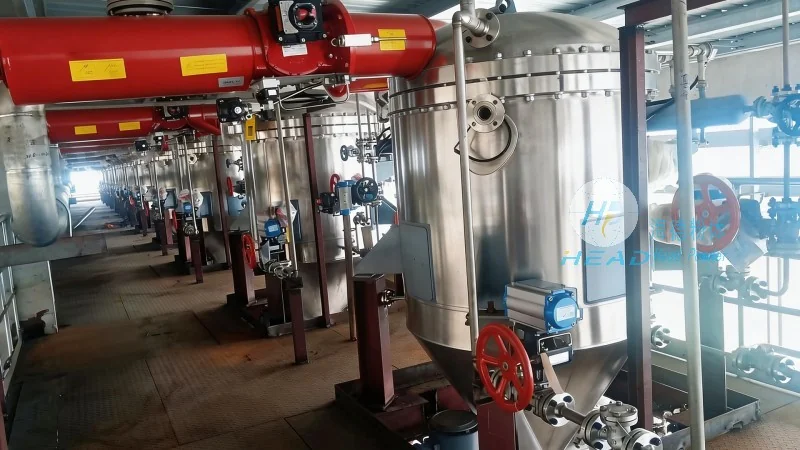
Mechanical conveyors are a traditional and widely used method for transporting sorghum. These systems typically employ components such as belts, buckets, or screw conveyors to move grain along a fixed path. Belt conveyors, for instance, are ideal for long-distance horizontal or slight incline transport, offering high capacity and low maintenance. They are particularly effective in bulk handling operations where continuous flow is required. Bucket elevators, on the other hand, are excellent for vertical or steep incline movement, ensuring that sorghum is lifted efficiently from lower to higher levels without spillage. The mechanical design of these systems allows for reliable operation in various environmental conditions, making them a staple in many grain processing facilities.
2. Pneumatic Conveying Systems
Pneumatic conveying, or air-powered transport, represents a modern approach to sorghum movement. This method utilizes air pressure to transport grain through a pipeline network. There are two main types: positive displacement and negative pressure systems. Positive displacement systems, like rotary airlocks and pressure vessels, create a positive pressure environment, pushing sorghum through the line. Negative pressure systems, often called vacuum conveyors, create a vacuum to draw sorghum into the system. Pneumatic conveyors are highly flexible, allowing for complex routing and integration with other processing equipment. They are particularly advantageous in environments where dust control and hygiene are critical, as the enclosed system minimizes exposure to contaminants. Additionally, these systems can handle both dry and slightly moist sorghum, making them versatile for various applications.
3. Hydraulic Conveyors

Hydraulic conveyors use fluid power to transport sorghum. These systems typically involve a slurry of sorghum mixed with water or other liquids, which is then pumped through pipes. This method is especially useful for handling sorghum that has a high moisture content or is mixed with other materials, as it allows for the simultaneous transport of grain and liquid. Hydraulic conveyors are known for their ability to handle abrasive materials without significant wear, making them suitable for processing sorghum with high husk content or other challenging characteristics. While they require more maintenance due to the fluid system, they offer a reliable solution for specific processing needs where other methods may not be feasible.
4. Gravity Flow Systems
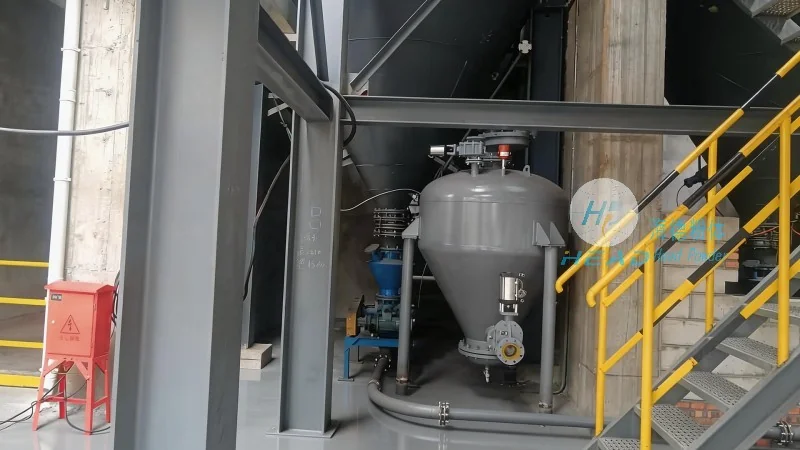
Gravity flow systems rely on the natural force of gravity to move sorghum from one elevation to another. These systems often consist of chutes or sloped chutes that allow grain to flow freely without the need for external power. They are simple in design and can be very effective for short distances or when the sorghum is already at a higher elevation. Gravity flow is particularly useful in storage and handling facilities where the grain is stored in elevated bins and needs to be moved to processing equipment. While these systems have lower energy consumption and minimal maintenance, they are limited by the need for a suitable slope and are not suitable for long-distance or vertical transport without additional assistance.
5. Combining Multiple Conveyance Methods
In many industrial settings, a single conveyance method may not be sufficient to meet all operational requirements. Shandong HeadPowder Engineering Co., Ltd. specializes in designing integrated systems that combine multiple conveyance technologies to optimize workflow. For example, a facility might use a mechanical conveyor to transport sorghum from a storage silo to a pneumatic system for further processing. This hybrid approach allows for flexibility and efficiency, as each method is chosen based on the specific stage of the process and the characteristics of the sorghum being handled. By integrating different conveyance methods, companies can achieve higher throughput, reduce downtime, and improve overall productivity.
6. Choosing the Right Conveyance Method for Your Needs
Selecting the appropriate sorghum conveyance method requires careful consideration of several factors, including the volume of grain to be handled, the distance and elevation changes, the physical characteristics of the sorghum (such as moisture content and husk level), and the specific requirements of the processing line. Shandong HeadPowder Engineering Co., Ltd. offers expert consultation to help clients evaluate these factors and select the most suitable solution. Whether you need a simple belt conveyor for bulk storage or a complex pneumatic system for high-speed processing, our team can design and implement a conveyance solution that meets your unique needs. By partnering with HeadPowder, you can ensure that your sorghum handling operations are efficient, reliable, and aligned with your business goals.

 Công ty TNHH Kỹ thuật Công trình Bột Hải Đức Sơn Đông
 156-6277-7102(Quản lý Trương)
  0531-83386006
  Quận Chương Khâu, Thành phố Tế Nam, Tỉnh Sơn Đông, Trung Quốc
Điện thoại
WeChatTư vấn
Lên đầu