Công ty Hải Đức Bột với hơn 10 năm kinh nghiệm vận chuyển khí, cung cấp hệ thống‑thiết bị‑quạt gió và nhận dự án tổng thầu bột cả nước
PTA (Polyethylene Terephthalate Acid) powder is a critical raw material in the production of polyester fibers and resins. Efficient and reliable powder conveying is essential for maintaining production line stability and ensuring consistent quality. This article explores the various methods used for PTA powder conveyance, focusing on the technical aspects and practical applications in industrial settings.
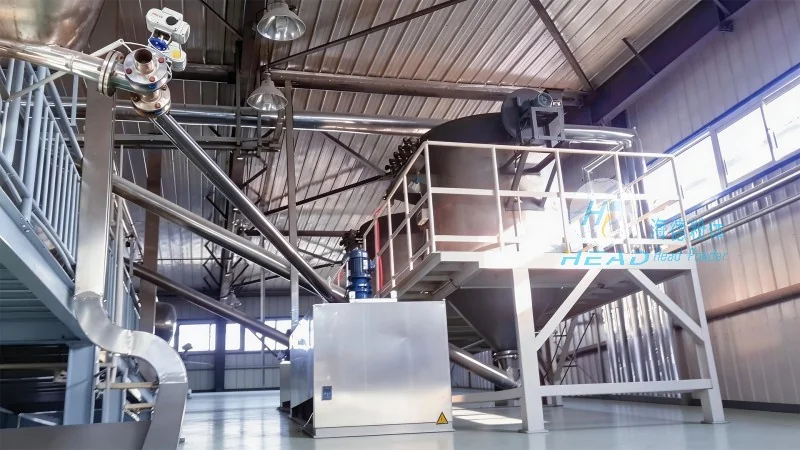
Overview of PTA Powder Conveying
Conveying PTA powder involves transporting bulk material from storage to processing units, such as reactors or extruders. The choice of conveying method depends on factors like material properties, plant layout, and operational requirements. Common methods include pneumatic conveying, mechanical conveying, and hybrid systems. Each method has its advantages and limitations, which are discussed below.
Pneumatic Conveying Systems
Pneumatic conveying uses air or other gases to transport PTA powder through a pipeline system. This method is widely used due to its ability to handle fine powders and minimize dust exposure. There are two main types of pneumatic conveying: pressure and vacuum systems.
Pressure systems operate by forcing air or gas into the pipeline, creating a positive pressure that moves the powder. These systems are suitable for short to medium distances and can handle high volumes of material. Vacuum systems, on the other hand, use suction to draw the powder into the pipeline, making them ideal for applications requiring gentle handling of delicate powders.
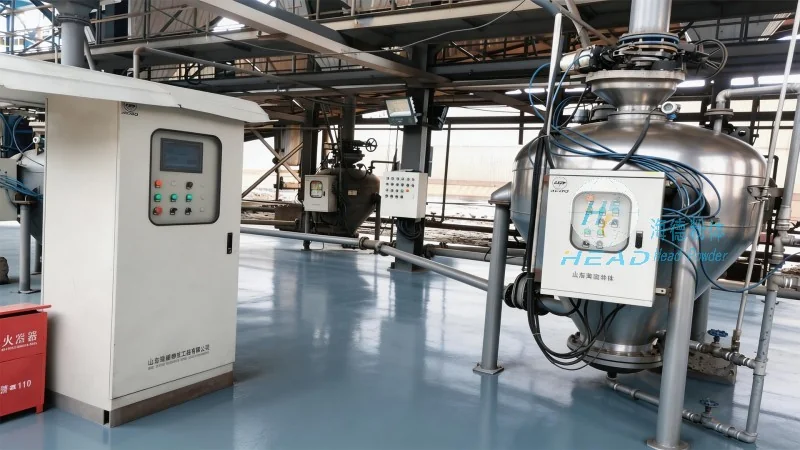
Mechanical Conveying Methods
Mechanical conveying relies on mechanical components like screws, belts, or buckets to move PTA powder. Screw conveyors are commonly used for horizontal or slight incline transport, providing a continuous and controlled flow. Belt conveyors are suitable for longer distances and can handle larger quantities of material. Bucket elevators are used for vertical transport, efficiently lifting powder from lower to higher levels.
Hybrid Conveying Systems
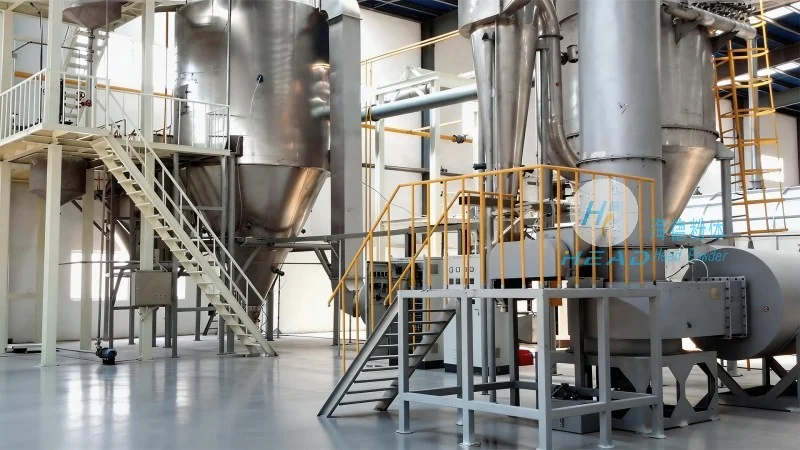
Hybrid systems combine pneumatic and mechanical components to leverage the benefits of both methods. For example, a pneumatic conveyor might use a screw feeder to introduce the powder into the pipeline, ensuring a consistent feed rate. This approach is particularly useful when dealing with varying material flow rates or when integrating with existing plant infrastructure.
Key Considerations for PTA Powder Conveying
When selecting a conveying method for PTA powder, several factors must be considered. Material properties, such as particle size, density, and moisture content, influence the choice of system. For instance, fine PTA powders may require more gentle handling to prevent agglomeration or damage. Plant layout and space constraints also play a role, as some systems require more vertical or horizontal space than others.
Equipment maintenance and operational costs are additional considerations. Pneumatic systems may have higher energy consumption but lower maintenance costs compared to mechanical systems. The choice of system should balance these factors to achieve optimal performance and cost-effectiveness.
Conclusion
Efficient PTA powder conveying is crucial for the smooth operation of industrial plants. By understanding the different methods and their applications, manufacturers can select the most suitable system for their specific needs. Whether using pneumatic, mechanical, or hybrid systems, proper design and maintenance are essential to ensure reliable and consistent powder transport. Companies like Shandong HeadPowder Engineering Co., Ltd. specialize in providing tailored conveying solutions to meet the diverse requirements of the PTA industry.

 Công ty TNHH Kỹ thuật Công trình Bột Hải Đức Sơn Đông
 156-6277-7102(Quản lý Trương)
  0531-83386006
  Quận Chương Khâu, Thành phố Tế Nam, Tỉnh Sơn Đông, Trung Quốc
Điện thoại
WeChatTư vấn
Lên đầu