Công ty Hải Đức Bột với hơn 10 năm kinh nghiệm vận chuyển khí, cung cấp hệ thống‑thiết bị‑quạt gió và nhận dự án tổng thầu bột cả nước
Limestone, commonly referred to as calcined lime, is a vital material in numerous industrial processes. The efficient and safe conveyance of this material is paramount for maintaining production efficiency and ensuring operational safety. This article will explore the primary methods utilized for limestone conveyance, focusing on the technologies and considerations that make each method suitable for different industrial environments.
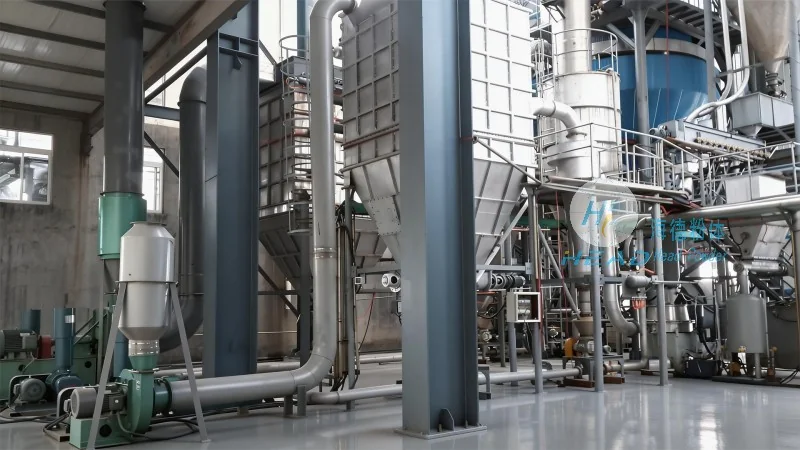
Key Considerations for Limestone Conveyance
Before discussing specific methods, it is essential to understand the key factors that influence the choice of conveyance system. These factors include the material's properties—such as its bulk density, flowability, and potential for dust generation—along with the distance and elevation changes required for transport. Additionally, the scale of the operation, environmental regulations, and the need for dust control play critical roles in determining the most appropriate conveyance method.
1. Belt Conveyors for Limestone Transport
Belt conveyors are one of the most widely used methods for limestone conveyance due to their versatility and efficiency. These systems employ a continuous belt that moves material from the source to the destination. For limestone, belt conveyors are particularly effective because they can handle large volumes of material over long distances with minimal maintenance. The design of the belt conveyor, including the type of belt (e.g., rubber or steel-cord reinforced), the idler spacing, and the inclination angle, is tailored to the specific characteristics of the limestone being transported. This ensures smooth and consistent movement, reducing the risk of material buildup or spillage. HeadPowder Engineering Co., Ltd., headquartered in Shandong, China, specializes in designing and manufacturing high-quality belt conveyor systems that meet the demands of limestone handling in various industries.
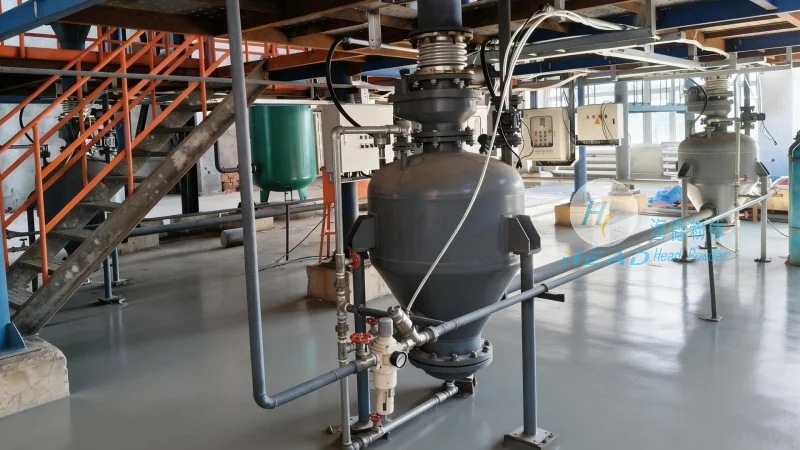
2. Screw Conveyors for Bulk Limestone Handling
Screw conveyors, also known as auger conveyors, are another common method for transporting limestone, especially in applications where vertical or inclined movement is required. These systems consist of a rotating screw (auger) inside a trough that moves material along the length of the conveyor. Screw conveyors are ideal for handling dry, free-flowing limestone and are often used in feed mills, chemical plants, and other facilities where precise control over material flow is necessary. The design of the screw conveyor, including the pitch of the screw and the diameter of the trough, is optimized to prevent clogging and ensure consistent throughput. HeadPowder Engineering Co., Ltd. offers screw conveyor solutions that are robust and reliable, suitable for the demanding conditions of limestone processing.
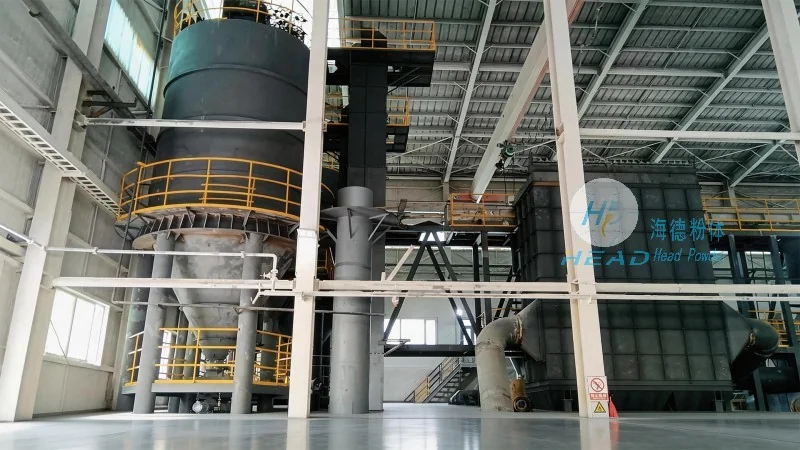
3. Pneumatic Conveying Systems for Limestone Transport
Pneumatic conveying systems use air or other gases to transport limestone in a closed pipeline. This method is particularly useful for applications that require dust-free handling or when the material needs to be transported over short to medium distances. There are two main types of pneumatic conveyors: dilute-phase and dense-phase. Dilute-phase systems utilize high-velocity air to move material in a dispersed state, while dense-phase systems use lower air velocities to transport material in a more concentrated form. Pneumatic conveying is effective for handling limestone that is prone to dust generation, as the system can be equipped with filters and dust collectors to maintain air quality. HeadPowder Engineering Co., Ltd. provides pneumatic conveying solutions that are tailored to the specific requirements of limestone transport, ensuring efficient and clean material handling.
4. Hydraulic Conveying for Limestone Transport
Hydraulic conveying systems use water or other liquids to transport limestone through pipelines. This method is commonly used in mining and quarry operations where the limestone is extracted from underground or from a quarry and needs to be transported to processing facilities. Hydraulic conveyors are particularly effective for handling wet or slurry-like limestone, as the liquid helps to keep the material in suspension and prevent clogging. The system typically includes a pump, a pipeline, and a control system to regulate the flow of both the limestone and the liquid. HeadPowder Engineering Co., Ltd. has expertise in hydraulic conveying systems, providing solutions that are suitable for the unique challenges of limestone extraction and transport in mining operations.
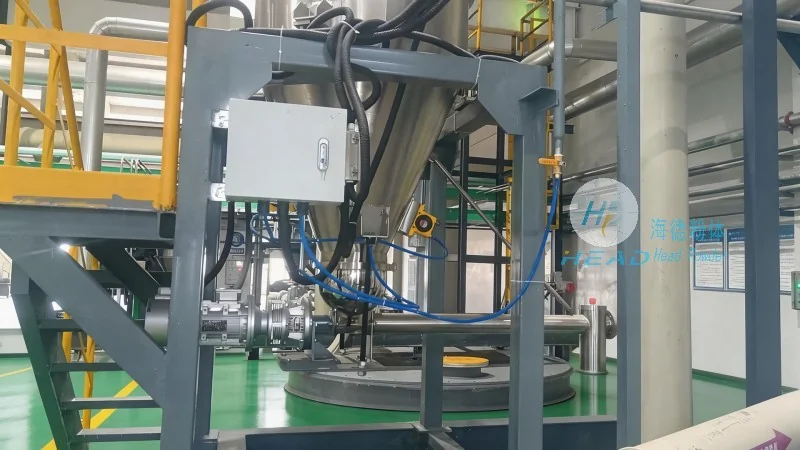
5. Bucket Elevators for Vertical Limestone Transport
Bucket elevators are a type of vertical conveyor system that uses buckets attached to a chain or belt to lift and transport limestone from a lower to a higher level. These systems are ideal for applications where vertical movement is required, such as in feed mills or chemical plants where limestone needs to be elevated to a processing unit. The design of the bucket elevator, including the size of the buckets, the speed of the chain, and the inclination angle, is optimized to handle the bulk density and flowability of limestone. Bucket elevators are known for their high capacity and efficiency, making them a popular choice for vertical limestone transport. HeadPowder Engineering Co., Ltd. manufactures bucket elevators that are durable and reliable, ensuring consistent performance in vertical limestone handling.

 Công ty TNHH Kỹ thuật Công trình Bột Hải Đức Sơn Đông
 156-6277-7102(Quản lý Trương)
  0531-83386006
  Quận Chương Khâu, Thành phố Tế Nam, Tỉnh Sơn Đông, Trung Quốc
Điện thoại
WeChatTư vấn
Lên đầu