Công ty Hải Đức Bột với hơn 10 năm kinh nghiệm vận chuyển khí, cung cấp hệ thống‑thiết bị‑quạt gió và nhận dự án tổng thầu bột cả nước
When it comes to processing sweet potatoes, efficient and reliable conveying systems are essential for ensuring smooth operations from harvest to processing. The choice of conveying method can significantly impact productivity, product quality, and overall operational costs. This article explores the various types of sweet potato conveying methods used in agricultural and food processing industries, highlighting key considerations for selecting the most suitable system for specific applications. HeadPowder, a leading provider of engineering solutions for the agricultural sector, offers a range of conveying systems tailored to meet the diverse needs of sweet potato processors. With decades of experience in the industry, HeadPowder understands the importance of selecting the right equipment to enhance operational efficiency and maintain product quality.
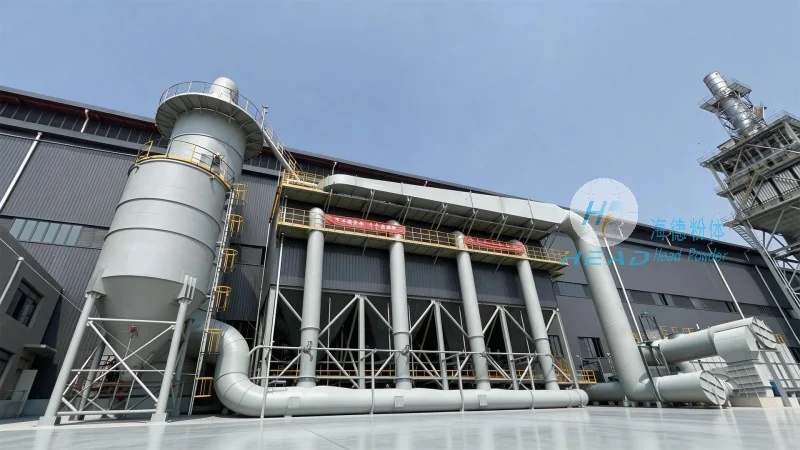
1. Belt Conveyors for Sweet Potato Handling
Belt conveyors are one of the most common and versatile options for sweet potato conveying. These systems utilize a continuous belt, typically made of rubber or PVC, that moves the sweet potatoes along a fixed path. The design allows for gentle handling of the tubers, minimizing damage during transport. Belt conveyors are particularly effective for long-distance transport and can be configured with multiple inclines or declines to suit the layout of a processing facility. They are often used in combination with other equipment, such as washing stations or sorting lines, to create a seamless workflow. The durability and low maintenance requirements of belt conveyors make them a popular choice for high-volume sweet potato processing operations.
2. Chain Plate Conveyors
Chain plate conveyors, also known as slat or grid conveyors, are another widely used method for sweet potato conveying. These systems feature a series of metal plates or slats connected by a chain, which moves the sweet potatoes in a continuous motion. The open design of chain plate conveyors allows for easy inspection and cleaning, making them suitable for environments where hygiene is critical, such as in food processing plants. They are particularly effective for handling sweet potatoes that may have irregular shapes or are prone to sticking, as the open structure prevents accumulation. Chain plate conveyors can be customized with different plate spacing and chain speeds to accommodate various processing needs, from sorting to loading into storage bins.
3. Screw Conveyors (Augers)
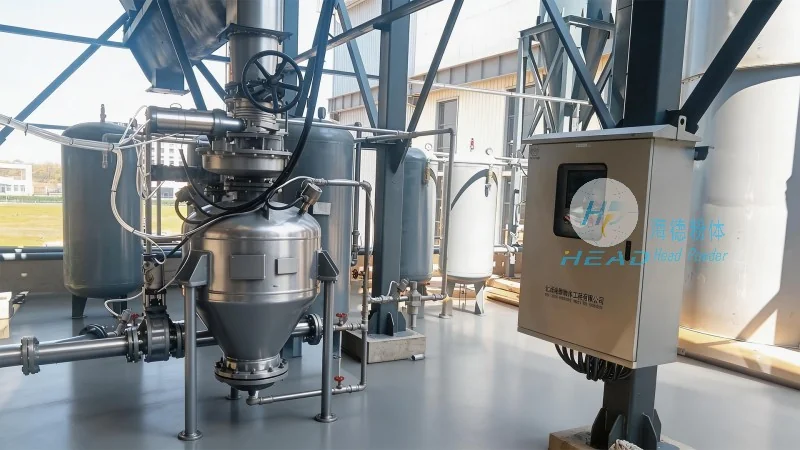
Screw conveyors, or augers, are a compact and efficient solution for vertical or horizontal sweet potato transport. These systems consist of a rotating screw inside a cylindrical housing, which pushes the sweet potatoes forward as the screw turns. Screw conveyors are ideal for applications where space is limited or where the need is to move sweet potatoes in a confined area, such as in storage silos or processing lines. They are particularly effective for handling sweet potatoes that are wet or have a high moisture content, as the screw design prevents clogging. However, it is important to note that screw conveyors may cause more wear and tear on the tubers compared to other methods, potentially affecting their quality. Proper maintenance and regular inspection are crucial to ensure optimal performance and minimize damage.
4. Pneumatic Conveying Systems
Pneumatic conveying systems use air pressure to transport sweet potatoes through a network of pipes. These systems are particularly useful for moving sweet potatoes over long distances or in areas with limited access, such as between different processing stages or from storage to the processing line. Pneumatic conveyors can be designed as either positive or negative pressure systems, depending on the specific requirements. Positive pressure systems blow air and sweet potatoes into the pipes, while negative pressure systems create a vacuum to draw the material in. Pneumatic conveying is often chosen for its ability to handle a wide range of sweet potato sizes and shapes, and it can be integrated with other equipment to create a fully automated processing line. However, the initial cost of pneumatic systems can be higher, and they require careful maintenance to prevent air leaks and ensure consistent performance.
5. Hydraulic Conveyors
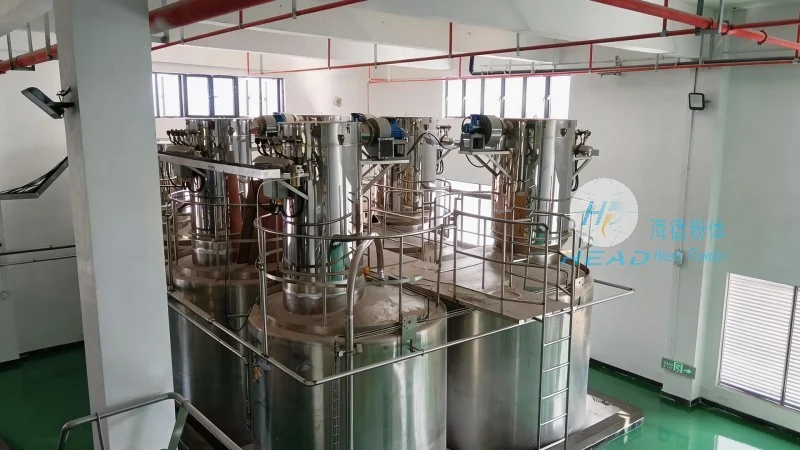
Hydraulic conveyors use fluid power to move sweet potatoes through a system of pipes and valves. These systems are typically used for short-distance transport within a processing facility, such as moving sweet potatoes from a washing station to a sorting line. Hydraulic conveyors offer precise control over the speed and direction of the material flow, allowing for efficient handling of sweet potatoes with varying sizes and shapes. They are particularly effective for applications where gentle handling is essential, as the hydraulic system can be adjusted to minimize impact and abrasion. However, hydraulic systems require regular maintenance to ensure proper fluid levels and prevent leaks, which can affect their reliability. They are also generally more expensive to install and maintain compared to other conveying methods.
6. Combining Conveying Methods for Optimal Efficiency
In many sweet potato processing facilities, a combination of different conveying methods is used to achieve optimal efficiency and flexibility. For example, a belt conveyor might be used for initial transport from the field to a storage area, followed by a screw conveyor for vertical transport to a processing line. This integrated approach allows for seamless flow of the sweet potatoes through various stages, reducing downtime and improving overall productivity. The choice of which conveying method to use at each stage depends on factors such as the distance to be covered, the required speed, the need for gentle handling, and the available space. By carefully selecting and integrating different conveying systems, processing plants can enhance their operational efficiency and maintain the quality of the sweet potatoes throughout the entire process.
Conclusion: Selecting the Right Sweet Potato Conveying System
Choosing the appropriate sweet potato conveying system is a critical decision for any processing facility. The right system can significantly improve productivity, reduce costs, and ensure the quality of the final product. Factors such as the volume of sweet potatoes to be processed, the distance of transport, the required speed, and the need for gentle handling should all be considered when making a selection. It is also important to consider the maintenance requirements and long-term costs associated with each system. By carefully evaluating these factors and selecting a system that best fits the specific needs of the operation, processing plants can achieve optimal performance and maintain a competitive edge in the market.

 Công ty TNHH Kỹ thuật Công trình Bột Hải Đức Sơn Đông
 156-6277-7102(Quản lý Trương)
  0531-83386006
  Quận Chương Khâu, Thành phố Tế Nam, Tỉnh Sơn Đông, Trung Quốc
Điện thoại
WeChatTư vấn
Lên đầu