Công ty Hải Đức Bột với hơn 10 năm kinh nghiệm vận chuyển khí, cung cấp hệ thống‑thiết bị‑quạt gió và nhận dự án tổng thầu bột cả nước
White slurry, a common byproduct in industries such as papermaking and chemical processing, requires efficient and reliable transportation to maintain operational efficiency and environmental compliance. The choice of transportation method depends on several factors including the slurry's properties, distance to be transported, and the specific requirements of the processing plant. This article explores the primary methods used for white slurry transportation, highlighting the key considerations and the role of specialized engineering solutions provided by companies like Shandong HeadPowder Engineering Co., Ltd., commonly known as HeadPowder.
1. Gravity Flow Transportation
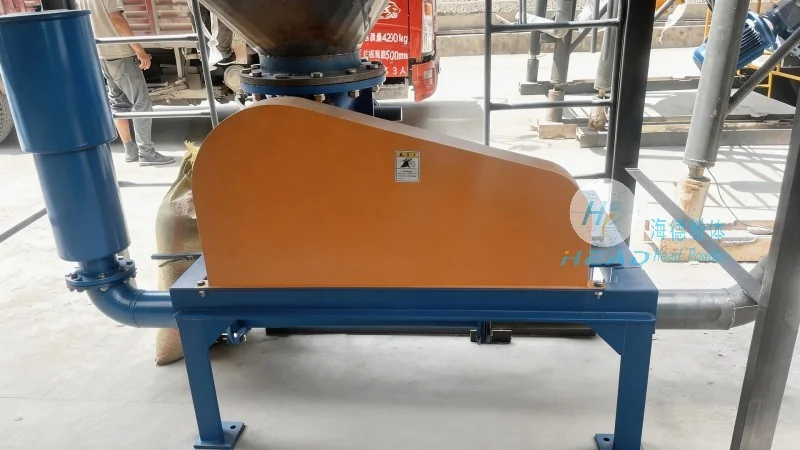
Gravity flow, or gravity-fed pipelines, is a cost-effective method for transporting white slurry over relatively short distances where the topography allows for a natural slope. This approach utilizes the slurry's own weight to move it through a series of pipes with a consistent downward gradient. The system typically includes a storage tank or hopper at the source, from which the slurry is released into the pipeline under gravity. The design of the pipeline must account for the slurry's viscosity and density to ensure smooth flow without clogging or excessive wear on the pipe walls. For companies like HeadPowder, engineering expertise is crucial in calculating the optimal slope and pipe diameter to maintain efficient flow rates while minimizing energy consumption and maintenance costs.
2. Pressure Pipeline Transportation
For longer distances or when the terrain is not conducive to gravity flow, pressure pipelines are commonly employed. In this method, a pump station or series of pumps generates the necessary pressure to force the white slurry through the pipeline. The pressure system can be either positive displacement pumps or centrifugal pumps, depending on the slurry's characteristics. Positive displacement pumps are often preferred for highly viscous or abrasive slurry, as they provide consistent flow rates regardless of pressure changes. The pipeline network includes valves, regulators, and monitoring equipment to control flow and pressure, ensuring safe and efficient operation. HeadPowder specializes in designing and implementing pressure pipeline systems that meet the specific demands of industrial clients, integrating advanced control systems to optimize performance and reduce downtime.
3. Pumping Systems with Storage Tanks
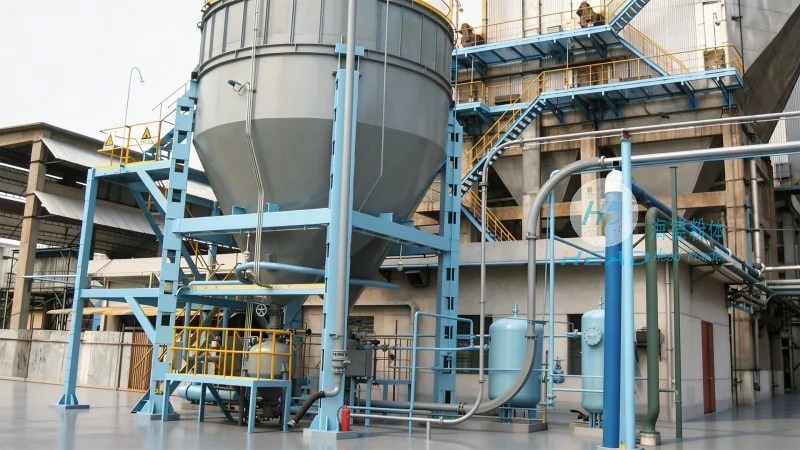
In many industrial settings, a combination of pumping and storage tanks is used to manage white slurry transportation. The slurry is collected in a large storage tank at the production site, where it is then pumped to a processing or treatment facility. This method allows for batch processing and provides flexibility in managing the flow rate based on operational needs. The pumping system may include multiple pumps with variable speed drives, enabling adjustments to flow rates without significant energy waste. The storage tank also serves as a buffer, helping to stabilize the slurry's consistency and prevent clogging in the pumping equipment. HeadPowder's engineering solutions often include integrated storage and pumping systems tailored to the client's production schedule and environmental regulations.
4. Mechanical Conveying Equipment
For certain applications, mechanical conveying equipment such as screw conveyors or belt conveyors may be used to transport white slurry, especially in cases where the slurry contains larger solid particles or has a higher solid content. These systems use rotating components to move the slurry along a fixed path, providing a reliable method for short to medium distances. However, mechanical conveyors are generally less common for pure white slurry due to the risk of wear and maintenance issues associated with abrasive materials. HeadPowder may recommend mechanical conveying as part of a hybrid system, where it is used in conjunction with other methods to handle specific segments of the transportation process.
5. Environmental and Operational Considerations
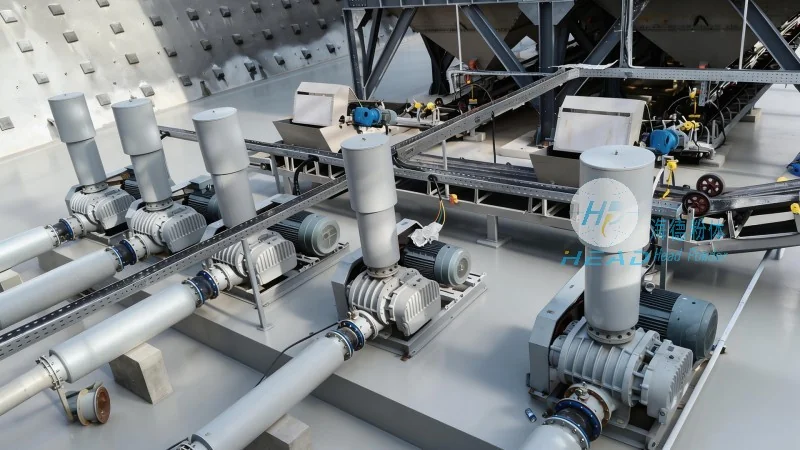
When selecting a white slurry transportation method, environmental and operational factors play a critical role. The system must comply with local environmental regulations regarding slurry discharge and emissions. Additionally, the choice of materials for the pipelines and equipment is essential to prevent corrosion and ensure longevity, especially in the presence of acidic or alkaline slurry components. Energy efficiency is another key consideration, as pumping and operating costs can significantly impact the overall operational budget. HeadPowder emphasizes a holistic approach to slurry transportation, considering not only the technical aspects but also the long-term environmental and economic implications for their clients. By leveraging their expertise in engineering and material science, HeadPowder provides customized solutions that balance efficiency, reliability, and sustainability.
6. Case Study: Implementing a Pressure Pipeline System for a Paper Mill
For example, a large paper mill in Shandong, China, required a new white slurry transportation system to replace an outdated gravity flow pipeline. The mill's production increased, leading to higher slurry volumes and the need for a more reliable system. HeadPowder was engaged to design and implement a pressure pipeline system that would transport the slurry from the paper machine to the treatment plant over a distance of 2 kilometers. The solution included a pump station with two centrifugal pumps, a series of high-density polyethylene (HDPE) pipelines, and an advanced control system. The system was designed to handle a slurry with a solids content of 5-8% and a viscosity of 100-200 mPa·s. The implementation resulted in a 30% reduction in transportation time and a 20% decrease in energy consumption compared to the previous gravity flow system. The client also reported improved environmental compliance due to the more controlled flow and reduced risk of spills. This case study illustrates how HeadPowder's engineering solutions can address specific operational challenges and deliver measurable benefits to industrial clients.
7. Conclusion
White slurry transportation methods vary based on the specific needs of the industrial application, with gravity flow, pressure pipelines, pumping systems, and mechanical conveyors each offering distinct advantages. The choice of method requires careful consideration of factors such as distance, terrain, slurry properties, and operational requirements. Companies like Shandong HeadPowder Engineering Co., Ltd. play a vital role in providing customized engineering solutions that optimize the transportation process while ensuring compliance with environmental regulations and operational efficiency. By leveraging their expertise in slurry handling and pipeline design, HeadPowder helps industrial clients achieve reliable, cost-effective, and sustainable white slurry transportation systems that support their long-term business objectives.

 Công ty TNHH Kỹ thuật Công trình Bột Hải Đức Sơn Đông
 156-6277-7102(Quản lý Trương)
  0531-83386006
  Quận Chương Khâu, Thành phố Tế Nam, Tỉnh Sơn Đông, Trung Quốc
Điện thoại
WeChatTư vấn
Lên đầu