Công ty Hải Đức Bột với hơn 10 năm kinh nghiệm vận chuyển khí, cung cấp hệ thống‑thiết bị‑quạt gió và nhận dự án tổng thầu bột cả nước
For the efficient handling and transportation of cocoa products, various conveying methods are employed in the industry. These methods are designed to ensure the safe, hygienic, and cost-effective movement of cocoa beans, nibs, and other processed cocoa materials from processing facilities to storage or packaging areas. Understanding the different cocoa conveying methods is crucial for businesses in the cocoa sector to optimize their operations and maintain product quality.
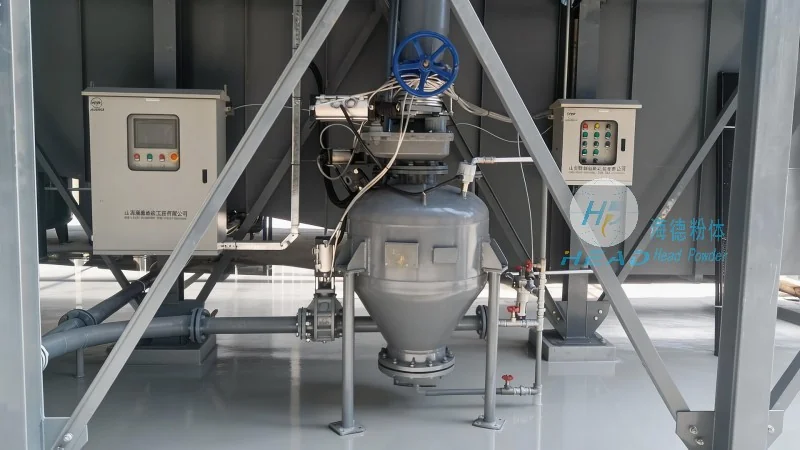
Overview of Common Cocoa Conveying Methods
In the cocoa processing industry, several key methods are utilized for conveying cocoa. Each method has its own advantages and is suited to different stages of the production process and specific product types. The primary methods include mechanical conveyors, pneumatic systems, and specialized equipment tailored for the unique characteristics of cocoa.
Mechanical Conveyors for Cocoa Handling
One of the most common and traditional methods for cocoa conveying is the use of mechanical conveyors. These systems rely on mechanical power to move cocoa materials through a series of components. The most widely used mechanical conveyor for cocoa is the screw conveyor, also known as an auger conveyor. Screw conveyors are particularly effective for handling bulk cocoa beans and nibs. They consist of a rotating helical screw inside a tube or trough, which pulls the material forward as the screw rotates. This method is highly efficient for vertical and horizontal transport, and it can be easily integrated into existing processing lines.
Another mechanical option is the belt conveyor, which uses a continuous belt to transport cocoa materials. Belt conveyors are suitable for moving larger quantities of cocoa over longer distances and can be equipped with various accessories such as elevators or inclines to handle vertical movement. These systems are often used in combination with other equipment to form a complete conveying line. Mechanical conveyors are generally preferred for their reliability, low maintenance requirements, and ability to handle a wide range of cocoa products without causing damage.
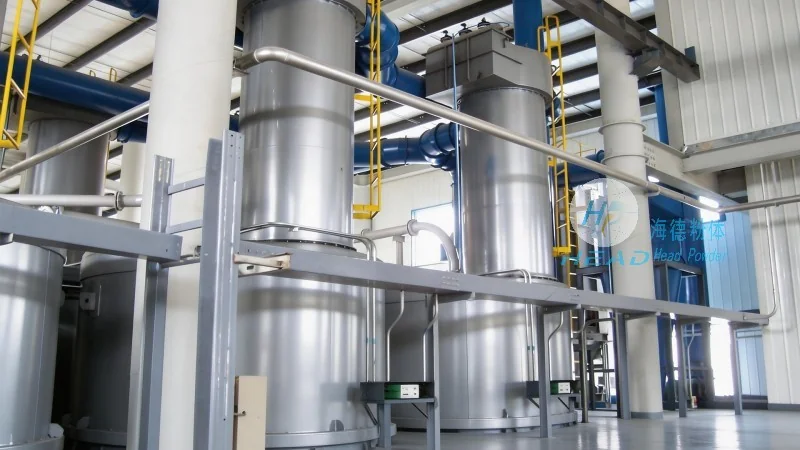
Pneumatic Conveying Systems for Cocoa
Pneumatic conveying systems utilize air pressure to transport cocoa materials. This method is particularly effective for handling fine cocoa powders or nibs that are sensitive to mechanical stress. The system typically consists of a hopper, a blower or air compressor, and a pipeline network. The cocoa material is fed into the hopper and then drawn into the pipeline by the air flow. The air and material mixture travels through the pipeline to the destination point, where the material is separated from the air using a cyclone or other separation device.
Pneumatic conveying offers several advantages, including the ability to transport materials over long distances, the reduction of dust and contamination, and the flexibility to route the system around obstacles. However, it requires more energy compared to mechanical conveyors and may not be suitable for very large or heavy cocoa products. The system also needs regular maintenance to ensure proper air flow and prevent blockages.
Specialized Equipment for Cocoa Conveying
Along with standard mechanical and pneumatic systems, specialized equipment is often used for specific cocoa products or processing stages. For example, vibrating conveyors are used to handle sticky or cohesive cocoa materials, such as cocoa mass or paste. These conveyors use vibrations to keep the material in motion and prevent it from sticking to the conveyor surface. This method is particularly useful for preventing clogging and ensuring smooth transport.
Another specialized option is the bucket elevator, which is commonly used for vertical transport of cocoa beans or nibs. Bucket elevators consist of a series of buckets attached to a chain or belt that moves vertically. The buckets scoop up the material at the bottom and release it at the top, providing efficient vertical movement. This equipment is ideal for elevating cocoa from storage silos to processing areas or packaging lines.
Factors to Consider When Choosing a Cocoa Conveying Method
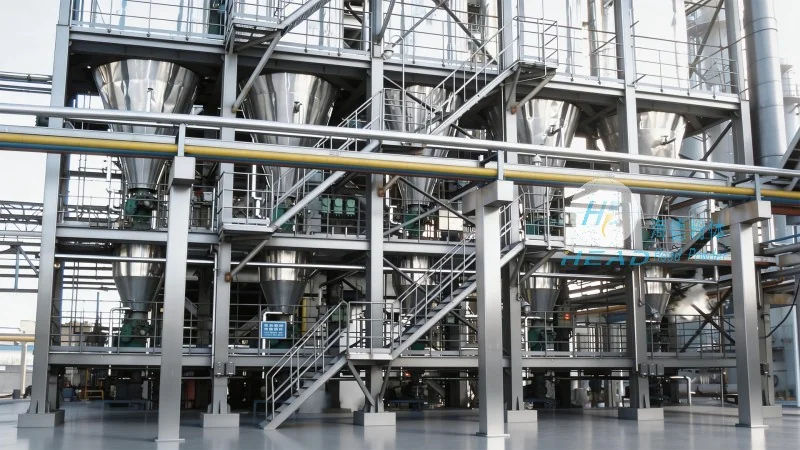
When selecting a cocoa conveying method, several factors must be considered to ensure optimal performance and cost-effectiveness. The first factor is the type of cocoa product being handled. For example, bulk cocoa beans may be best suited for screw or belt conveyors, while fine cocoa powders may require pneumatic systems. The second factor is the distance and direction of transport, as different systems are better suited for horizontal, vertical, or mixed movements. The third factor is the required capacity and speed, as the conveying system must match the production rate of the processing facility.
Another important consideration is the hygienic requirements of the cocoa processing environment. Many cocoa products are sensitive to contamination, so conveyors must be designed to prevent cross-contamination and maintain cleanliness. Materials such as stainless steel are commonly used in conveyor construction to ensure easy cleaning and prevent rust. Additionally, the energy consumption and maintenance costs of the system should be evaluated to ensure long-term cost-effectiveness.
Conclusion
Choosing the right cocoa conveying method is essential for the efficient operation of cocoa processing facilities. Mechanical conveyors, such as screw and belt conveyors, offer reliability and low maintenance for bulk materials. Pneumatic systems are ideal for fine powders and require less physical contact. Specialized equipment like vibrating conveyors and bucket elevators address specific challenges like sticky materials or vertical transport. By considering factors such as product type, transport distance, capacity, and hygiene requirements, businesses can select the most suitable conveying method to optimize their operations and maintain product quality.

 Công ty TNHH Kỹ thuật Công trình Bột Hải Đức Sơn Đông
 156-6277-7102(Quản lý Trương)
  0531-83386006
  Quận Chương Khâu, Thành phố Tế Nam, Tỉnh Sơn Đông, Trung Quốc
Điện thoại
WeChatTư vấn
Lên đầu