Công ty Hải Đức Bột với hơn 10 năm kinh nghiệm vận chuyển khí, cung cấp hệ thống‑thiết bị‑quạt gió và nhận dự án tổng thầu bột cả nước
Cassava, a staple crop in many tropical and subtropical regions, is widely used for food, animal feed, and industrial processing. Efficient conveyance of cassava is crucial for optimizing production lines and ensuring smooth operation in processing facilities. This article explores the various methods and equipment used for cassava conveyance, highlighting the key factors to consider when selecting the appropriate system for specific applications.
Understanding Cassava Conveyance Systems
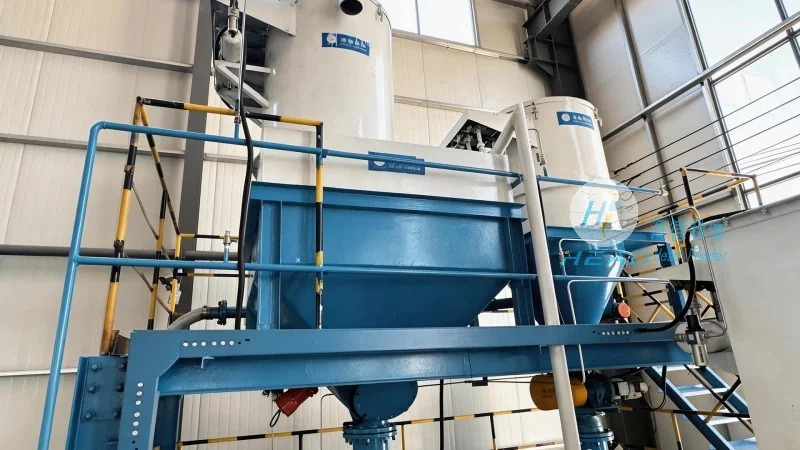
Conveyance systems for cassava are designed to transport raw or processed cassava efficiently from one stage of production to another. The choice of system depends on several factors, including the type of cassava (fresh or dried), the processing requirements, the scale of operation, and the physical characteristics of the material. Key considerations include material handling capacity, speed, energy efficiency, and the ability to maintain product quality during transport.
Common Cassava Conveyance Methods
Several types of conveyance equipment are commonly used in cassava processing plants. Each method has its own advantages and is suitable for different scenarios. The primary methods include belt conveyors, screw conveyors, bucket elevators, and pneumatic conveyors.
Belt Conveyors for Cassava Transport
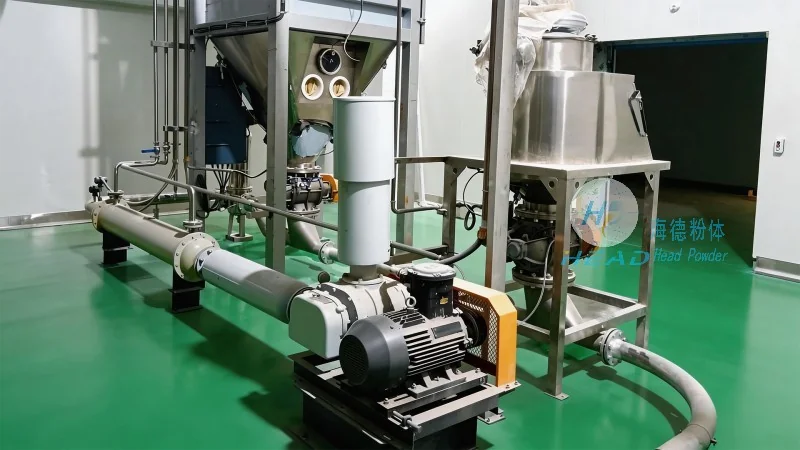
Belt conveyors are among the most widely used systems for cassava conveyance due to their high capacity and versatility. These systems consist of a continuous belt that moves over rollers or pulleys, transporting cassava from one point to another. They are particularly effective for moving large volumes of cassava over short to medium distances. The design of the belt conveyor can be customized to handle different cassava types, with options for inclined or horizontal configurations. For instance, a horizontal belt conveyor can be used to transport cassava from a storage area to a processing machine, while an inclined version can move cassava up to a higher level for further processing. The smooth operation of belt conveyors ensures minimal product damage, which is essential for maintaining the quality of cassava intended for food or feed applications.
Screw Conveyors for Cassava Handling
Screw conveyors, also known as auger conveyors, are another popular choice for cassava conveyance. These systems use a rotating screw or auger to move cassava along a trough. They are particularly suitable for handling bulk materials in a compact space and are often used for horizontal or slightly inclined transport. Screw conveyors are effective for moving cassava that has been peeled or sliced, as the rotating screw can push the material forward without causing excessive friction or breakage. This makes them ideal for conveying cassava to a milling or drying stage. The design of the screw conveyor, including the pitch and diameter of the screw, can be adjusted to optimize the conveying efficiency based on the specific characteristics of the cassava being handled.
Bucket Elevators for Vertical Cassava Transport
Bucket elevators are essential for vertical transport of cassava, especially when moving material from lower to higher levels in a processing facility. These systems consist of a vertical or inclined conveyor with buckets attached to a chain or belt. As the buckets move up, they scoop up cassava and discharge it at the top. Bucket elevators are capable of handling a wide range of cassava types and can transport material at high speeds, making them suitable for large-scale operations. They are particularly useful when the processing line requires cassava to be elevated to a different floor or to a processing unit located above ground level. The robust construction of bucket elevators ensures they can withstand the heavy loads and abrasive nature of cassava, providing reliable and efficient vertical transport.
Pneumatic Conveyors for Cassava Transfer
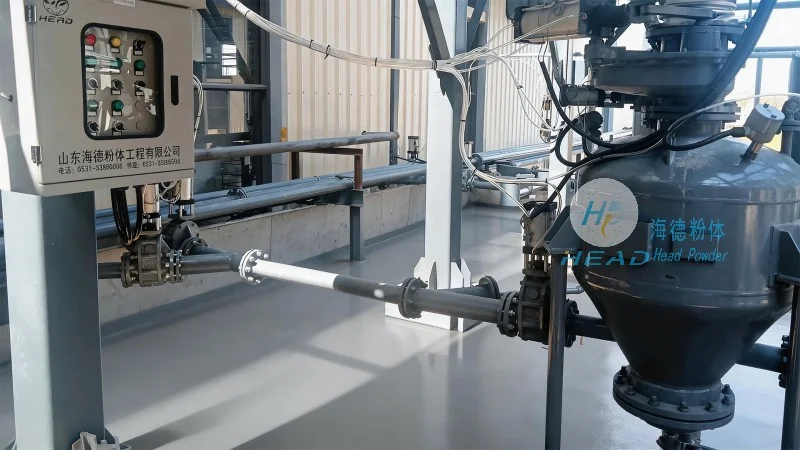
Pneumatic conveyors use air pressure or vacuum to transport cassava through a pipeline system. These systems are ideal for moving cassava over longer distances or when the material needs to be conveyed in a closed environment to prevent contamination or dust. Pneumatic conveyors can handle both dry and wet cassava, and they are particularly effective for transporting cassava that has been processed into flour or starch. The system consists of a hopper that feeds the cassava into a pipeline, where it is carried by air currents. The air pressure or vacuum is controlled to ensure the material moves smoothly and without blockages. Pneumatic conveyors offer advantages such as low maintenance and the ability to transport material in a hygienic manner, which is crucial for food processing applications.
Choosing the Right Cassava Conveyance System
When selecting a cassava conveyance system, it is important to consider the specific requirements of the processing operation. Factors such as the volume of cassava to be transported, the distance between processing stages, the need for vertical or horizontal transport, and the desired level of product quality all play a role in the decision-making process. Additionally, the cost of the equipment, its energy efficiency, and the ease of maintenance should be evaluated. For example, a small-scale processing plant might opt for a screw conveyor due to its lower cost and compact design, while a large-scale industrial facility might choose a combination of belt conveyors and bucket elevators to handle high volumes efficiently.
HeadPowder Engineering: Your Partner in Cassava Conveyance Solutions
Shandong HeadPowder Engineering Co., Ltd. is a leading manufacturer and supplier of cassava conveyance equipment, specializing in providing customized solutions for various processing needs. With years of experience in the industry, HeadPowder Engineering understands the unique challenges of cassava processing and offers a range of high-quality conveyance systems tailored to meet specific requirements. The company's products are designed to ensure efficient, reliable, and cost-effective transport of cassava, helping processing facilities optimize their operations and improve overall productivity. HeadPowder Engineering's commitment to quality and customer satisfaction has made it a trusted partner for many businesses in the cassava processing industry. With a focus on innovation and customer needs, the company continues to develop advanced conveyance solutions that enhance the efficiency and profitability of cassava processing operations.

 Công ty TNHH Kỹ thuật Công trình Bột Hải Đức Sơn Đông
 156-6277-7102(Quản lý Trương)
  0531-83386006
  Quận Chương Khâu, Thành phố Tế Nam, Tỉnh Sơn Đông, Trung Quốc
Điện thoại
WeChatTư vấn
Lên đầu