Công ty Hải Đức Bột với hơn 10 năm kinh nghiệm vận chuyển khí, cung cấp hệ thống‑thiết bị‑quạt gió và nhận dự án tổng thầu bột cả nước
Microbead powder, a fine particulate material widely used in various industrial applications, requires efficient and reliable conveying systems to ensure smooth production processes. The choice of conveying method depends on factors such as material properties, production scale, and operational environment. This article explores several common methods for microbead powder conveying, highlighting their advantages and typical applications.
Introduction to Microbead Powder Conveying
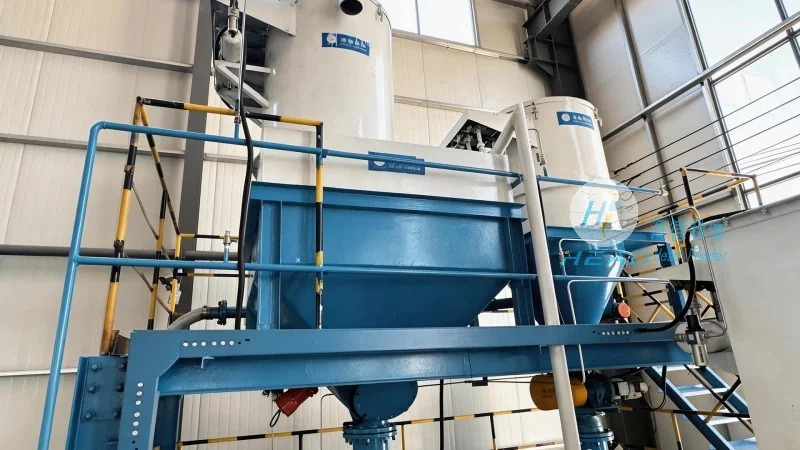
Microbead powders, characterized by their small particle size and often spherical shape, present unique challenges in material handling. Traditional bulk material conveying methods may not be suitable due to the risk of clogging, dust generation, and material degradation. Therefore, specialized conveying systems are essential to maintain product quality and operational efficiency. The following sections detail various conveying techniques used in the industry.
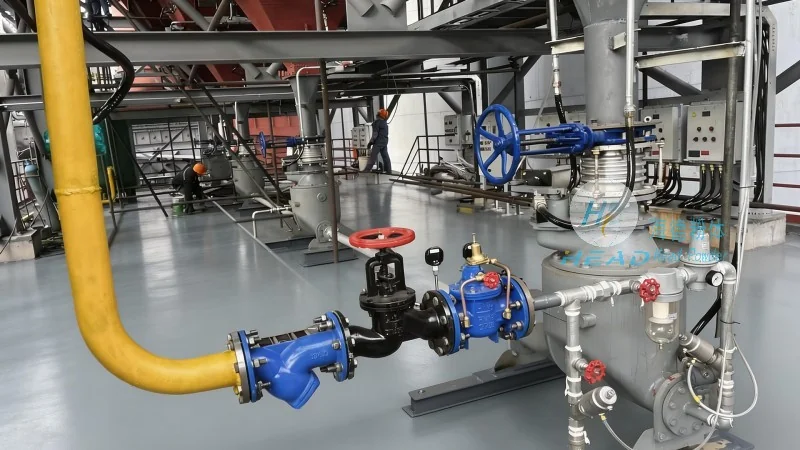
1. Pneumatic Conveying Systems

Pneumatic conveying, also known as air conveying, is a widely adopted method for microbead powder transport. This technique utilizes compressed air to move powder through a pipeline. There are two main types: dilute-phase and dense-phase pneumatic conveying. Dilute-phase systems are suitable for low to medium material flow rates and long-distance transport, while dense-phase systems are ideal for high-particle concentrations and short-distance applications. The system typically includes a hopper, a blower, and a pipeline network. The compressed air creates a flow that lifts and transports the microbeads, minimizing material degradation and ensuring consistent flow rates. For microbead powders, pneumatic conveying offers advantages such as low maintenance, flexibility in layout, and the ability to handle materials with high moisture content or abrasive properties. However, it requires proper air filtration and pressure management to prevent dust accumulation and system blockages.

 Công ty TNHH Kỹ thuật Công trình Bột Hải Đức Sơn Đông
 156-6277-7102(Quản lý Trương)
  0531-83386006
  Quận Chương Khâu, Thành phố Tế Nam, Tỉnh Sơn Đông, Trung Quốc
Điện thoại
WeChatTư vấn
Lên đầu