Công ty Hải Đức Bột với hơn 10 năm kinh nghiệm vận chuyển khí, cung cấp hệ thống‑thiết bị‑quạt gió và nhận dự án tổng thầu bột cả nước
Heavy calcium carbonate (HCC) is a crucial raw material in various industries, including plastics, paper, and coatings. Efficient and reliable conveying methods are essential to ensure smooth production processes and maintain product quality. This article provides a detailed comparison of common heavy calcium carbonate conveying methods, focusing on their applications, advantages, and limitations.
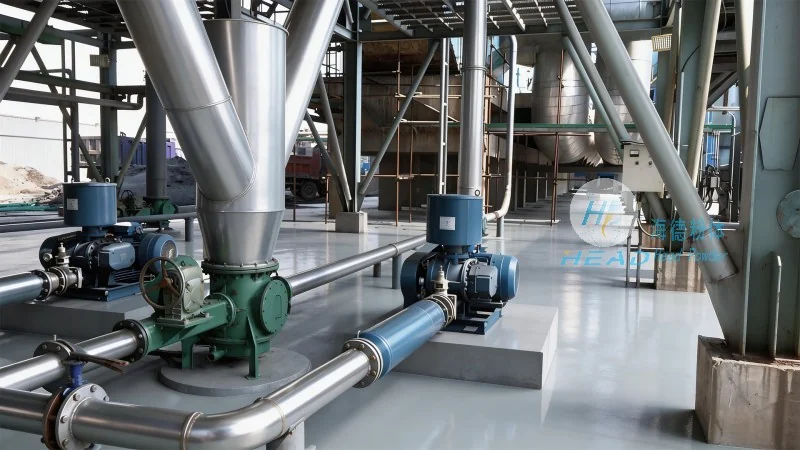
Company Overview: Shandong HeadPowder Engineering Co., Ltd.
Shandong HeadPowder Engineering Co., Ltd. is a leading manufacturer specializing in the production and supply of heavy calcium carbonate processing equipment. With years of experience in the industry, the company offers high-quality conveying solutions tailored to meet the diverse needs of clients. HeadPowder is committed to providing reliable and efficient equipment that enhances productivity and reduces operational costs for its customers.
1. Screw Conveyor (Auger Conveyor)
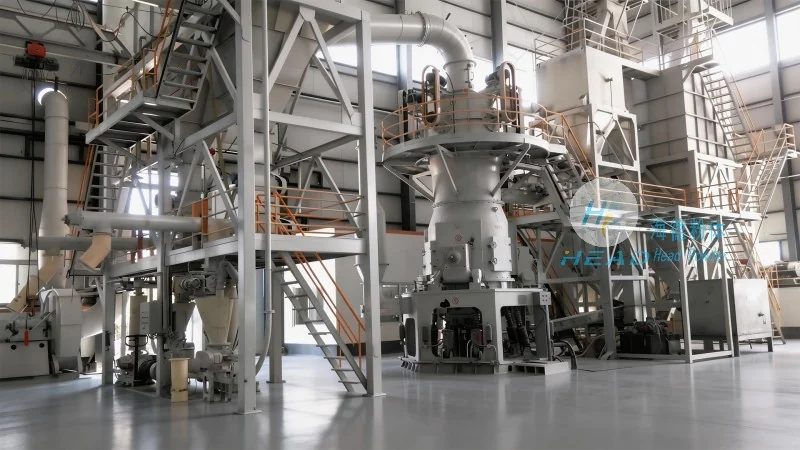
Screw conveyors are widely used for heavy calcium carbonate conveying due to their simplicity and versatility. This method involves a rotating screw (auger) inside a cylindrical tube, which moves material forward through the tube. The screw conveyor is particularly suitable for horizontal or slightly inclined applications, making it ideal for transporting bulk materials over short to medium distances. One of the key advantages of screw conveyors is their ability to handle a wide range of particle sizes and moisture content without the need for additional equipment. However, they may experience issues with material bridging or blockages in vertical or steeply inclined setups, which can affect throughput and efficiency.
2. Belt Conveyor
Belt conveyors are another common option for heavy calcium carbonate transport, especially in large-scale industrial settings. This system uses a continuous belt that moves over rollers or pulleys, transporting the material from one point to another. Belt conveyors are highly effective for long-distance and high-volume conveying, as they can handle large quantities of material with minimal maintenance. They are also suitable for both horizontal and inclined applications, making them versatile in different production environments. The primary advantage of belt conveyors is their high capacity and ability to transport materials over long distances without significant loss of material. However, they require more space and initial investment compared to other methods, and regular maintenance is necessary to ensure smooth operation and prevent belt wear or damage.
3. Pneumatic Conveying System
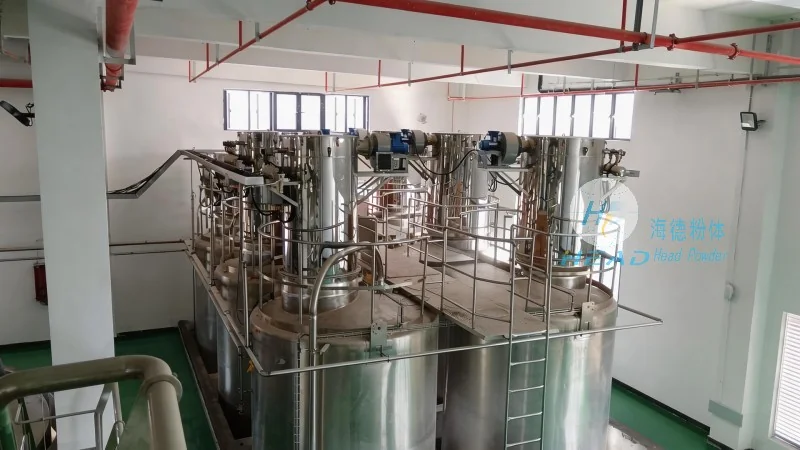
Pneumatic conveying systems use air or gas to transport heavy calcium carbonate particles through a pipeline. This method is particularly effective for handling fine or dusty materials, as it prevents dust contamination and ensures a clean conveying process. Pneumatic systems are available in two main types: pressure and vacuum. Pressure systems push material through the pipeline using compressed air, while vacuum systems draw material into the pipeline using a vacuum pump. Pneumatic conveying offers advantages such as low noise levels, minimal material degradation, and the ability to transport materials over long distances with minimal energy consumption. However, they may be less efficient for very coarse or heavy materials and require careful design to prevent pressure drops or material buildup in the pipeline.
4. Bucket Elevator
Bucket elevators are vertical or inclined conveyor systems that use buckets attached to a chain or belt to lift and transport heavy calcium carbonate material. This method is ideal for vertical or steeply inclined applications, allowing material to be lifted to significant heights with minimal horizontal space. Bucket elevators are highly efficient for handling bulk materials and can transport large quantities of material over vertical distances. The main advantage of bucket elevators is their ability to lift materials to high elevations without the need for complex machinery. However, they may experience issues with material spillage or bucket wear, which can affect performance and require regular maintenance. Additionally, bucket elevators are less suitable for very fine or dusty materials due to the risk of material escaping from the buckets.
Conclusion and Recommendations
Choosing the right heavy calcium carbonate conveying method depends on several factors, including the material characteristics, production scale, and operational requirements. Screw conveyors are suitable for short to medium distances and horizontal applications, while belt conveyors excel in long-distance and high-volume transport. Pneumatic systems are ideal for fine or dusty materials and require less manual handling, and bucket elevators are best for vertical or steeply inclined setups. Shandong HeadPowder Engineering Co., Ltd. offers a range of conveying solutions tailored to meet these diverse needs, ensuring efficient and reliable material transport for heavy calcium carbonate applications. By understanding the advantages and limitations of each method, manufacturers can select the most appropriate conveying system to enhance productivity and maintain product quality.

 Công ty TNHH Kỹ thuật Công trình Bột Hải Đức Sơn Đông
 156-6277-7102(Quản lý Trương)
  0531-83386006
  Quận Chương Khâu, Thành phố Tế Nam, Tỉnh Sơn Đông, Trung Quốc
Điện thoại
WeChatTư vấn
Lên đầu