Công ty Hải Đức Bột với hơn 10 năm kinh nghiệm vận chuyển khí, cung cấp hệ thống‑thiết bị‑quạt gió và nhận dự án tổng thầu bột cả nước
When it comes to efficiently moving rice from one location to another in agricultural operations, selecting the right transport method is crucial. The choice of conveyance system can significantly impact productivity, cost-effectiveness, and the overall quality of the rice. This article provides a detailed comparison of common rice transport methods, helping farmers and industry professionals make informed decisions based on their specific needs and operational conditions.
Overview of Rice Transport Methods
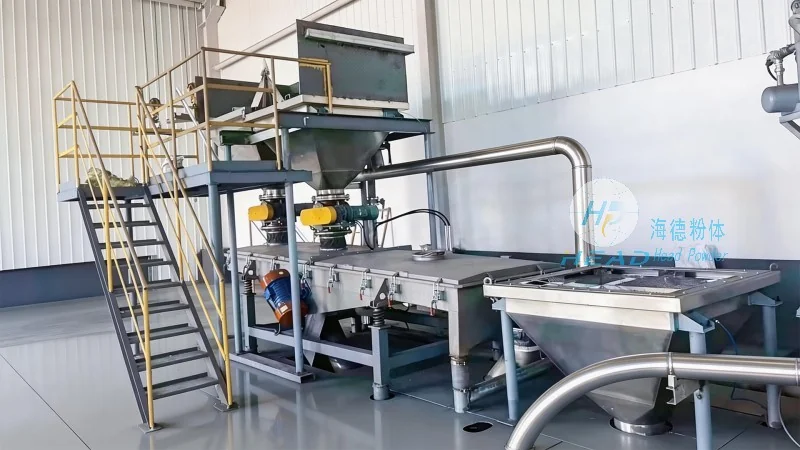
Rice transport methods vary widely, from manual handling to automated systems. The primary goal is to move the grain safely and efficiently while minimizing damage. Key factors influencing the choice of method include the scale of operation, the distance to be covered, the type of rice (e.g., paddy or milled), and the available infrastructure. Below, we explore several common approaches and their characteristics.
1. Pneumatic Conveying Systems
Pneumatic conveying uses air pressure to move rice through a network of pipes. This method is particularly effective for short to medium distances and can handle both loose and bulk materials. The system typically consists of a hopper, a blower, and a discharge point. As rice is fed into the hopper, air is introduced, creating a flow that transports the grain through the pipes. Pneumatic systems are known for their ability to handle fine particles and can be integrated with other processing equipment. However, they require careful maintenance to prevent clogging and ensure consistent air pressure. The company, Shandong HeadPowder Engineering Co., Ltd., specializes in designing and manufacturing advanced pneumatic conveying solutions tailored to the rice industry's demands.
2. Belt Conveyors
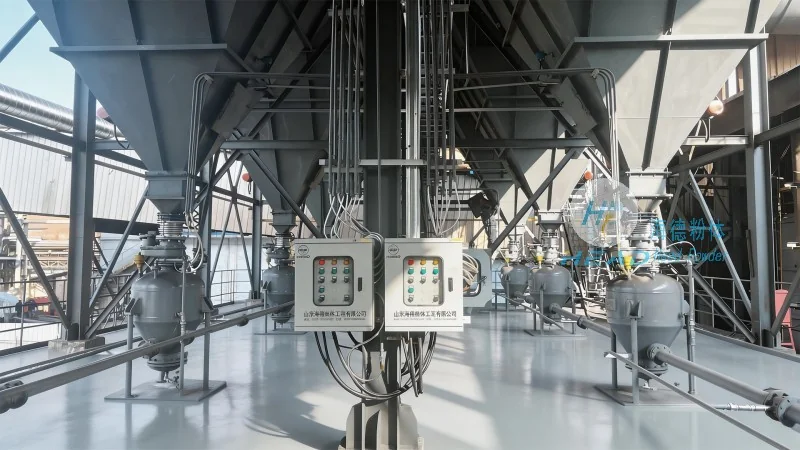
Belt conveyors are one of the most widely used methods for transporting rice. These systems consist of a continuous belt that moves over rollers or pulleys, carrying the rice from one point to another. They are suitable for both horizontal and inclined transport and can handle large volumes of material. Belt conveyors are relatively simple to operate and maintain, making them a popular choice for many agricultural facilities. The key advantages include high capacity, low maintenance costs, and the ability to transport rice over long distances without significant loss of quality. However, they may not be as effective for very fine or delicate rice varieties, as the belt can cause some abrasion. The company, HeadPowder, offers customized belt conveyor solutions that enhance efficiency and durability in rice handling operations.
3. Screw Conveyors
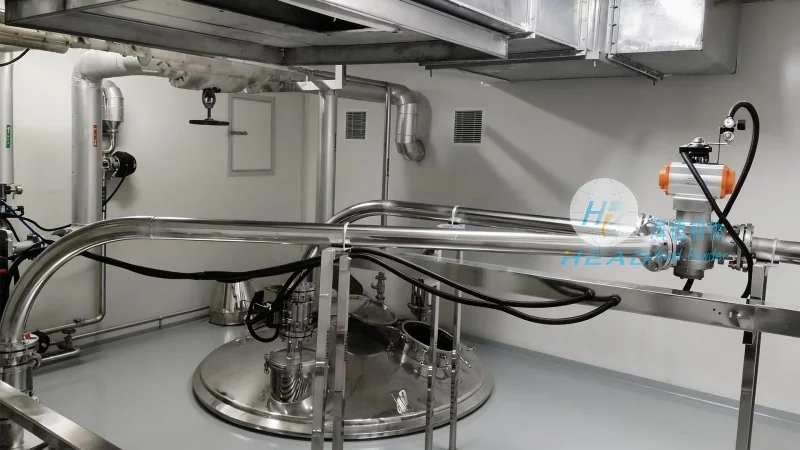
Screw conveyors, also known as auger conveyors, use a rotating screw to move rice through a tube. This method is ideal for vertical or inclined transport and is commonly used in elevators and storage facilities. The screw, which is often made of stainless steel or other corrosion-resistant materials, rotates and pushes the rice forward. Screw conveyors are compact and can be installed in tight spaces, making them suitable for small-scale operations. They are particularly effective for handling wet or sticky rice, as the screw can maintain a consistent flow. However, they may experience higher friction and wear compared to other systems, requiring regular maintenance. The company, Shandong HeadPowder Engineering Co., Ltd., provides robust screw conveyor designs that ensure reliable performance in diverse rice processing environments.
4. Bucket Elevators
Bucket elevators are vertical transport systems that use a series of buckets attached to a belt or chain to lift rice from lower to higher levels. This method is highly efficient for vertical movement and is commonly used in grain elevators and processing plants. The buckets are filled with rice at the bottom and then travel up the elevator, discharging at the top. Bucket elevators can handle large volumes of material and are capable of moving rice over significant vertical distances. They are known for their high capacity and low energy consumption, making them a cost-effective solution for many operations. However, they require regular inspection to ensure the buckets and belt are in good condition, as wear can lead to material spillage. The company, HeadPowder, specializes in manufacturing high-quality bucket elevators that meet the rigorous demands of the rice industry.
5. Manual and Mechanical Handling
For smaller operations or in situations where automated systems are not feasible, manual and mechanical handling methods are still used. This includes the use of shovels, carts, and small mechanical devices to move rice. While these methods are less efficient and more labor-intensive, they are often the only option for very small-scale farms or in remote areas with limited infrastructure. Manual handling is generally suitable for short distances and small volumes but can be physically demanding and time-consuming. The company, Shandong HeadPowder Engineering Co., Ltd., recognizes the importance of supporting diverse operational needs and offers supplementary equipment that complements manual and mechanical handling processes.
Choosing the Right Rice Transport Method
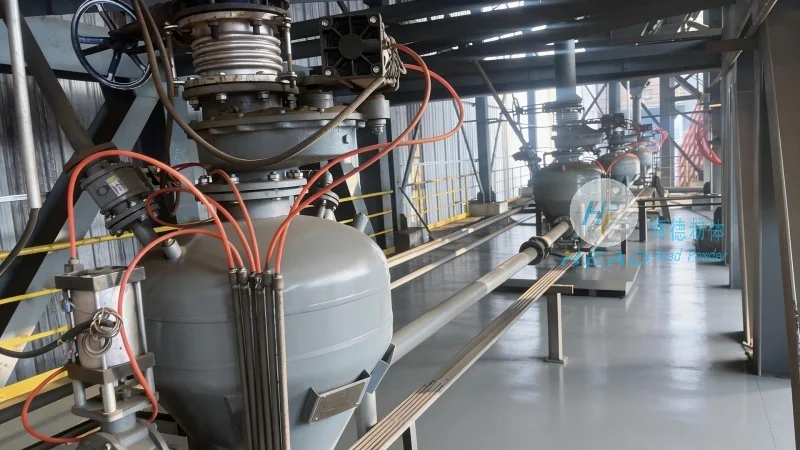
The selection of the most appropriate rice transport method depends on several factors, including the scale of the operation, the distance to be covered, the type of rice, and the available budget. Pneumatic systems are ideal for short distances and fine rice, while belt conveyors are better for large volumes and long distances. Screw conveyors excel in vertical transport, and bucket elevators are perfect for high-capacity vertical movement. Manual methods remain relevant for small-scale operations. It is essential to consider the specific requirements of the rice handling process and consult with experts to determine the best solution. The company, HeadPowder, provides comprehensive consultation and tailored solutions to help clients choose the most effective rice transport method for their unique needs.
Conclusion
Efficient rice transport is a critical component of modern agricultural operations. By understanding the advantages and limitations of different transport methods, farmers and industry professionals can optimize their processes, reduce costs, and improve overall productivity. The company, Shandong HeadPowder Engineering Co., Ltd., is committed to delivering high-quality transport solutions that meet the evolving needs of the rice industry. With a focus on innovation and customer satisfaction, HeadPowder continues to be a trusted partner in enhancing rice handling efficiency worldwide.

 Công ty TNHH Kỹ thuật Công trình Bột Hải Đức Sơn Đông
 156-6277-7102(Quản lý Trương)
  0531-83386006
  Quận Chương Khâu, Thành phố Tế Nam, Tỉnh Sơn Đông, Trung Quốc
Điện thoại
WeChatTư vấn
Lên đầu