Công ty Hải Đức Bột với hơn 10 năm kinh nghiệm vận chuyển khí, cung cấp hệ thống‑thiết bị‑quạt gió và nhận dự án tổng thầu bột cả nước
Efficient management of paper waste is crucial in various industrial and commercial settings, and the choice of conveying method plays a pivotal role in optimizing workflow and maintaining operational efficiency. Paper waste, such as shredded paper, paper scraps, or paper debris, requires reliable transportation from collection points to processing or disposal areas. Different conveying methods cater to diverse operational needs, each with distinct advantages and limitations. This article provides a detailed comparison of common paper waste conveying methods, highlighting their applications, benefits, and suitability for specific scenarios.
Gravity Conveying Systems
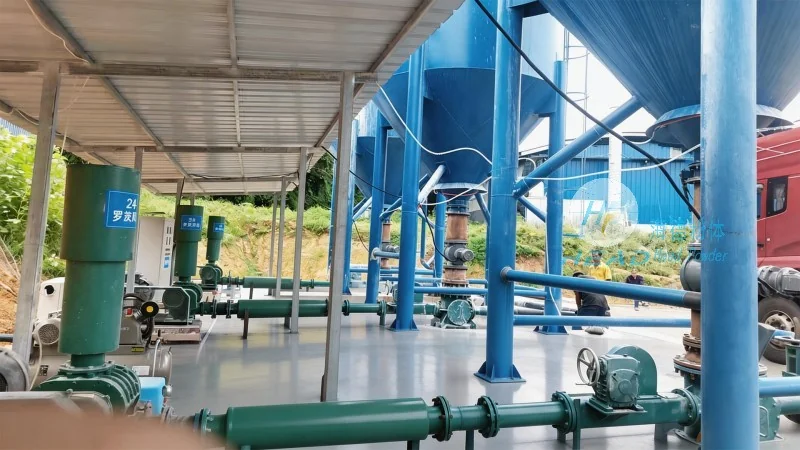
Gravity conveying systems utilize the force of gravity to move paper waste along inclined chutes or troughs. This method is ideal for transporting materials over short distances and gentle slopes, where the material's weight and density facilitate smooth movement. The primary components of a gravity conveyor include a sloped channel, often made of metal or plastic, and a series of rollers or guides to maintain alignment. These systems are particularly effective for handling dry, free-flowing paper waste, such as shredded paper or paper sheets, without the need for external power. The simplicity of gravity conveyors makes them cost-effective and low-maintenance, making them a popular choice for small to medium-sized operations. However, their effectiveness is limited by the slope angle and the material's properties, as steep inclines may cause material to jam or lose control. Additionally, gravity conveyors are not suitable for vertical or long-distance transport, as the material may not have sufficient momentum to reach the destination without assistance.
Mechanical Conveying Systems
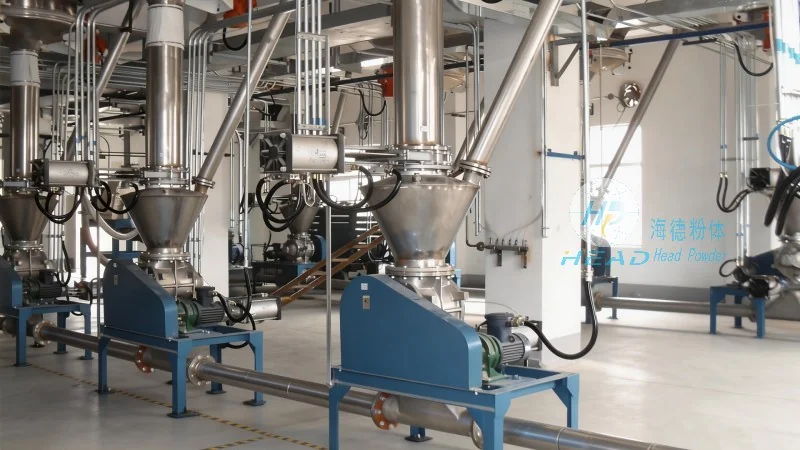
Mechanical conveying systems employ mechanical components, such as belts, chains, or screws, to transport paper waste. These systems are versatile and can handle a wide range of paper waste types, including wet or sticky materials, and are capable of covering longer distances and steeper inclines compared to gravity systems. Belt conveyors, for instance, use a continuous belt looped over rollers to move materials, while chain conveyors utilize interlinked chains with attached buckets or buckets to carry waste. Screw conveyors, also known as augers, use a rotating screw to push material forward through a cylindrical tube. Mechanical conveyors are highly efficient for continuous operation and can be integrated with other processing equipment, such as shredders or balers. They offer better control over the conveying speed and direction, ensuring consistent material flow. However, mechanical systems require regular maintenance, including belt tension adjustments, chain lubrication, and screw cleaning, to prevent wear and tear. The initial investment for mechanical conveyors is higher than for gravity systems, but their durability and adaptability make them a long-term solution for demanding applications. HeadPowder, a leading manufacturer of industrial conveying equipment, offers a range of mechanical paper waste conveyors tailored to specific operational requirements, ensuring reliable and efficient material transport.
Air Conveying Systems (Pneumatic Conveying)
Air conveying systems, or pneumatic conveying, use compressed air to transport paper waste through a network of pipes. This method is particularly effective for handling fine or lightweight paper waste, such as shredded paper fibers or paper dust, and can cover long distances with minimal energy consumption. Pneumatic conveyors can be categorized into two main types: pressure and vacuum systems. Pressure systems use positive pressure to push material through the pipe, while vacuum systems use negative pressure to pull material. The choice between pressure and vacuum depends on the material's characteristics and the distance to be covered. Air conveyors are highly flexible, as they can be installed in existing facilities without major structural modifications, and can be easily integrated with other equipment, such as shredders or dust collectors. They offer a dust-free operation, which is beneficial for maintaining a clean working environment and reducing health hazards associated with paper dust. However, pneumatic conveying systems require a constant supply of compressed air, which adds to operational costs. The system's efficiency may also be affected by the material's moisture content, as wet paper waste can clog the pipes or reduce airflow. HeadPowder specializes in designing and manufacturing pneumatic conveying systems for paper waste, ensuring optimal performance and minimal downtime.
Combination Conveying Systems
Many industrial applications require a combination of conveying methods to address complex operational needs. For example, a facility may use a gravity conveyor to transport paper waste from a collection point to a mechanical conveyor, which then moves it to a processing area. This hybrid approach leverages the advantages of each method, such as the low cost and simplicity of gravity systems for short-distance transport and the efficiency of mechanical systems for longer distances or steeper inclines. Combination systems are highly adaptable and can be customized to fit specific facility layouts and material handling requirements. They offer improved flexibility and reliability, as the failure of one component does not necessarily halt the entire operation. HeadPowder provides comprehensive solutions for combination conveying systems, integrating different technologies to create a seamless material flow process. This approach ensures that paper waste is transported efficiently and safely, regardless of the operational challenges faced by the facility.
Key Considerations for Choosing a Conveying Method
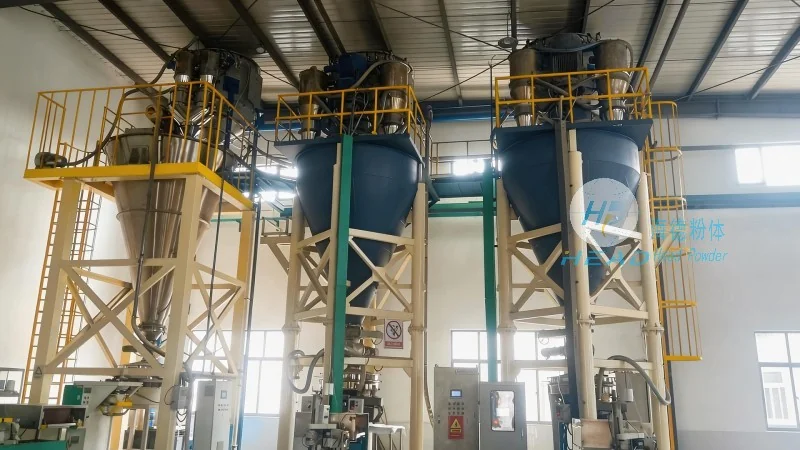
When selecting a paper waste conveying method, several factors must be considered to ensure optimal performance and cost-effectiveness. The first consideration is the material characteristics, including the size, shape, moisture content, and density of the paper waste. For example, shredded paper may require a different conveying system than large paper sheets. The second factor is the distance and elevation change between the collection and processing points. Short distances and gentle slopes may be suitable for gravity systems, while longer distances or steep inclines may necessitate mechanical or pneumatic systems. The third consideration is the operational environment, such as the need for dust control or noise reduction. Pneumatic systems, for instance, offer a dust-free operation, which is beneficial in environments where dust is a health hazard. The fourth factor is the budget and maintenance requirements. Gravity systems are low-cost and low-maintenance, while mechanical and pneumatic systems require regular maintenance and higher initial investment. By evaluating these factors, facilities can choose the most appropriate conveying method for their specific needs, ensuring efficient and reliable paper waste management.

 Công ty TNHH Kỹ thuật Công trình Bột Hải Đức Sơn Đông
 156-6277-7102(Quản lý Trương)
  0531-83386006
  Quận Chương Khâu, Thành phố Tế Nam, Tỉnh Sơn Đông, Trung Quốc
Điện thoại
WeChatTư vấn
Lên đầu