Công ty Hải Đức Bột với hơn 10 năm kinh nghiệm vận chuyển khí, cung cấp hệ thống‑thiết bị‑quạt gió và nhận dự án tổng thầu bột cả nước
When it comes to processing cassava, selecting the right conveying method is crucial for efficiency and product integrity. This article provides a detailed comparison of common cassava conveying methods, highlighting their advantages, limitations, and suitability for different processing stages. The information is presented by Shandong HeadPowder Engineering Co., Ltd., a leading manufacturer based in Shandong, China.
Introduction to Cassava Conveying
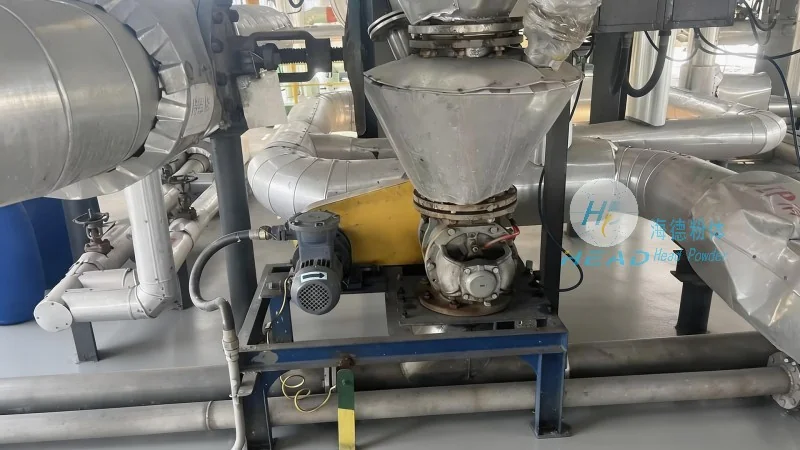
Cassava, also known as manioc or yuca, is a starchy root crop widely used in food processing and industrial applications. Its high starch content and relatively high moisture levels make it a unique material to handle. Effective conveying systems must address challenges such as material stickiness, varying particle sizes, and the need for gentle handling to prevent damage. Shandong HeadPowder Engineering Co., Ltd. specializes in designing and manufacturing custom conveying solutions tailored to the specific requirements of cassava processing plants.
1. Belt Conveyor System for Cassava
Belt conveyors are among the most common and versatile methods for transporting cassava. They consist of a continuous loop of material (usually rubber or PVC) that moves over rollers or a flat surface. This system is particularly effective for horizontal or slightly inclined transport of cassava from one processing stage to another. The belt conveyor can handle large volumes of material with minimal maintenance and is suitable for both wet and dry cassava. Shandong HeadPowder Engineering Co., Ltd. offers belt conveyor systems with adjustable speeds and widths to accommodate different cassava types and processing capacities. These conveyors are designed to minimize material breakage and ensure smooth transfer between processing units.
2. Screw Conveyor (Auger) for Cassava
Screw conveyors, also known as augers, use a rotating helical screw to move cassava along a tube or trough. This method is ideal for vertical or inclined transport and is particularly effective for handling sticky or moist cassava. The screw conveyor can maintain a consistent flow rate and is compact in design, making it suitable for limited space applications. However, it may cause more friction and heat generation compared to other methods, which could affect the quality of the cassava. Shandong HeadPowder Engineering Co., Ltd. provides screw conveyors with stainless steel or food-grade materials to prevent contamination and ensure durability. These conveyors are often used in the initial stages of cassava processing, such as moving raw cassava from storage to the peeling or washing units.
3. Pneumatic Conveying System for Cassava
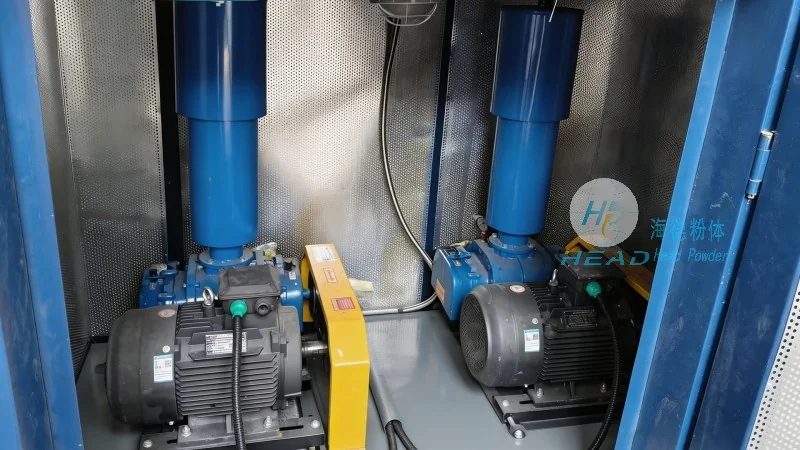
Pneumatic conveying systems use air pressure to transport cassava particles through a pipeline. This method is highly efficient for long-distance transport and can handle fine or powdery cassava products. The system consists of a hopper, a blower, and a pipeline network. Pneumatic conveying is particularly useful for transferring cassava flour or starch from grinding to drying or packaging stages. However, it requires higher energy input and may not be suitable for very wet or sticky cassava due to potential blockages. Shandong HeadPowder Engineering Co., Ltd. offers pneumatic conveying solutions with adjustable air pressure and flow rates to optimize performance. These systems are designed to minimize material degradation and ensure consistent product quality.
4. Chain Conveyor System for Cassava
Chain conveyors use a series of chains with attached buckets or trays to transport cassava. This method is suitable for both horizontal and vertical transport and can handle heavy loads. The chain conveyor is particularly effective for moving cassava from washing to peeling or from peeling to slicing stages. It provides gentle handling and can maintain a consistent flow rate. However, it may require more maintenance due to the moving chains and is generally more expensive than other systems. Shandong HeadPowder Engineering Co., Ltd. manufactures chain conveyors with durable materials and adjustable chain speeds to meet the specific needs of cassava processing plants. These conveyors are designed to minimize material damage and ensure efficient transfer between processing steps.
5. Comparison and Selection Criteria
Choosing the right cassava conveying method depends on several factors, including the processing stage, material characteristics, and plant layout. Belt conveyors are generally the most cost-effective for horizontal transport, while screw conveyors are ideal for vertical or inclined transport of sticky cassava. Pneumatic conveying is best for fine products or long-distance transport, and chain conveyors offer gentle handling for heavy loads. Shandong HeadPowder Engineering Co., Ltd. recommends evaluating the following criteria when selecting a conveying system:
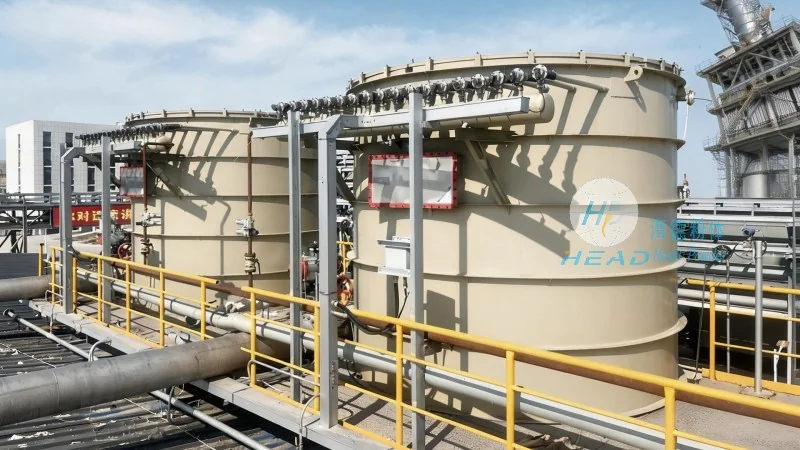
Material properties: The moisture content, particle size, and stickiness of the cassava.
Transport distance and direction: Horizontal, vertical, or inclined movement required.
Capacity and throughput: The volume of cassava to be transported per hour.
Space constraints: Available floor space and vertical height for the conveyor.
Maintenance and cost: The budget for equipment and regular upkeep.
By carefully considering these factors, processing plants can select the most suitable conveying method to enhance efficiency, reduce downtime, and maintain product quality. Shandong HeadPowder Engineering Co., Ltd. provides expert consultation and customized solutions to help clients choose the optimal conveying system for their cassava processing operations.

 Công ty TNHH Kỹ thuật Công trình Bột Hải Đức Sơn Đông
 156-6277-7102(Quản lý Trương)
  0531-83386006
  Quận Chương Khâu, Thành phố Tế Nam, Tỉnh Sơn Đông, Trung Quốc
Điện thoại
WeChatTư vấn
Lên đầu