Công ty Hải Đức Bột với hơn 10 năm kinh nghiệm vận chuyển khí, cung cấp hệ thống‑thiết bị‑quạt gió và nhận dự án tổng thầu bột cả nước
When it comes to processing cocoa beans, the efficiency and reliability of the conveying system play a crucial role in the overall production workflow. Different industries and production scales may require different types of conveying methods. This article provides a detailed comparison of common cocoa conveying methods, focusing on their operational principles, advantages, and typical applications. The information is based on the expertise of Shandong HeadPowder Engineering Co., Ltd., a leading manufacturer in the field of powder and bulk material handling equipment.
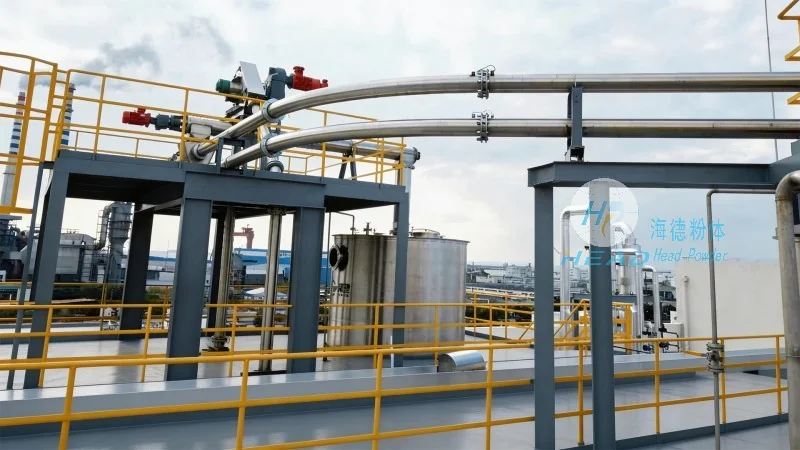
Screw Conveyor for Cocoa Handling
Screw conveyors are widely used in cocoa processing due to their simplicity and effectiveness. These systems consist of a rotating helical screw inside a U-shaped or tubular housing. As the screw rotates, it pushes the cocoa beans forward through the housing. The design allows for vertical, horizontal, or inclined transport, making it versatile for various production layouts. One of the key advantages of screw conveyors is their ability to handle a wide range of bulk materials, including cocoa with varying moisture content and particle sizes. They are particularly suitable for short to medium distance transport within a processing facility. However, screw conveyors may experience some limitations, such as the risk of material bridging or blockage in the housing, especially with sticky or high-moisture cocoa. Proper maintenance and material conditioning are essential to ensure smooth operation. HeadPowder, with its extensive experience in bulk material handling, offers customized screw conveyor solutions tailored to the specific needs of cocoa processing plants.
Air-Flow Conveying Systems for Cocoa

Air-flow or pneumatic conveying systems use compressed air to transport cocoa beans and other powders through a pipeline network. This method is particularly effective for long-distance or high-rise transport, as it can move materials vertically over several stories without the need for multiple transfer points. There are two main types of pneumatic conveying: positive pressure and negative pressure. Positive pressure systems blow air into the pipeline, pushing the material forward, while negative pressure systems create a vacuum to draw the material into the system. The choice between the two depends on factors such as the distance, material properties, and desired system efficiency. Air-flow conveying offers advantages like minimal product contamination, as the material is not in direct contact with metal surfaces, and the ability to handle fine powders or even dust. However, it requires a reliable air compression system and may have higher energy consumption compared to mechanical conveyors. The system also needs to be designed carefully to prevent material degradation or clogging due to the high velocity of air. HeadPowder provides advanced air-flow conveying solutions that incorporate efficient air filtration and material separation technologies, ensuring optimal performance for cocoa transport.
Belt Conveyor for Bulk Cocoa Transport
Belt conveyors are another common method for transporting cocoa beans, especially in large-scale processing facilities. These systems consist of a continuous belt that moves over rollers or pulleys, carrying the cocoa from one point to another. The design allows for both horizontal and inclined transport, and the belt can be customized with different materials to suit the handling of various bulk materials. Belt conveyors are known for their high capacity and ability to handle large volumes of cocoa efficiently. They are particularly suitable for long-distance horizontal transport, such as moving cocoa from storage silos to processing lines. The main advantages include low maintenance costs, high reliability, and the ability to transport materials at a consistent speed. However, belt conveyors may require more space compared to other methods and can be susceptible to damage from heavy or abrasive materials. Proper belt tensioning and regular inspection are crucial to prevent breakdowns. HeadPowder offers robust belt conveyor systems with durable belts and advanced control mechanisms, designed to withstand the demands of cocoa processing while ensuring smooth and continuous operation.
Vibrating Conveyor for Cocoa Handling
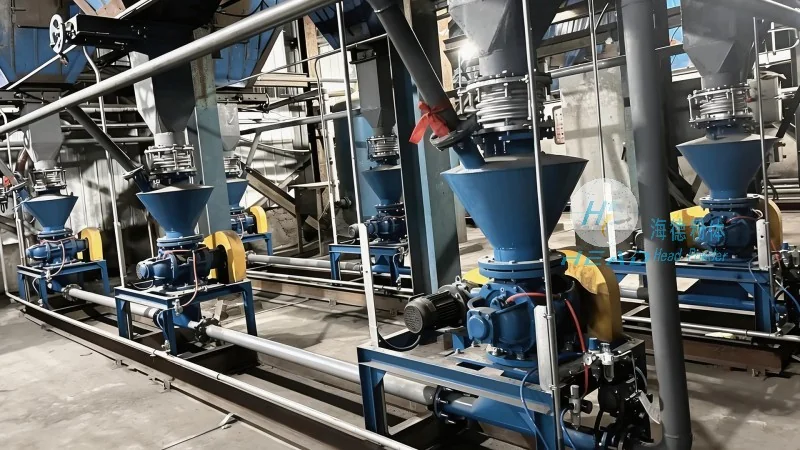
Vibrating conveyors use vibration to move cocoa beans along a trough or conveyor bed. The system typically consists of a trough with an oscillating motion, which causes the material to move forward due to the friction between the material and the trough surface. This method is ideal for transporting materials with high moisture content or those that are prone to sticking, as the vibration helps to prevent material bridging and blockage. Vibrating conveyors are commonly used in applications where gentle handling is required, such as moving cocoa that has been roasted or ground. They are also suitable for inclined transport, allowing for efficient vertical or inclined movement without the need for additional equipment. The main advantage of vibrating conveyors is their ability to handle sticky or cohesive materials without the risk of clogging. However, they may have lower capacity compared to other mechanical conveyors and require regular maintenance to ensure consistent vibration levels. HeadPowder’s vibrating conveyor solutions are engineered with high-quality vibration motors and durable construction, providing reliable performance for cocoa processing plants that require gentle material handling.
Comparison of Cocoa Conveying Methods
When selecting a cocoa conveying method, several factors need to be considered, including the distance of transport, the volume of material, the material properties (such as moisture content and particle size), and the available space in the processing facility. Each method has its own set of advantages and limitations, and the optimal choice depends on the specific requirements of the operation. Screw conveyors are a good choice for short to medium distances and when simplicity is a priority. Air-flow conveying is ideal for long-distance or high-rise transport, especially when product contamination is a concern. Belt conveyors excel in large-scale horizontal transport with high capacity. Vibrating conveyors are suitable for handling sticky or high-moisture cocoa with gentle handling requirements. Shandong HeadPowder Engineering Co., Ltd. offers a comprehensive range of conveying solutions, including customized designs for each of these methods, ensuring that clients can select the most appropriate system for their cocoa processing needs. By understanding the operational characteristics and benefits of each conveying method, manufacturers can improve the efficiency and reliability of their cocoa handling processes, ultimately enhancing overall production output and quality.

 Công ty TNHH Kỹ thuật Công trình Bột Hải Đức Sơn Đông
 156-6277-7102(Quản lý Trương)
  0531-83386006
  Quận Chương Khâu, Thành phố Tế Nam, Tỉnh Sơn Đông, Trung Quốc
Điện thoại
WeChatTư vấn
Lên đầu