Công ty Hải Đức Bột với hơn 10 năm kinh nghiệm vận chuyển khí, cung cấp hệ thống‑thiết bị‑quạt gió và nhận dự án tổng thầu bột cả nước
HeadPowder, a leading manufacturer based in Shandong, China, specializes in providing efficient and reliable conveying equipment for the sweet potato processing industry. With a focus on durability and adaptability, their products are designed to meet the unique demands of handling sweet potatoes from harvest to processing. This article provides a detailed comparison of common sweet potato conveying methods, highlighting the advantages and applications of each system.
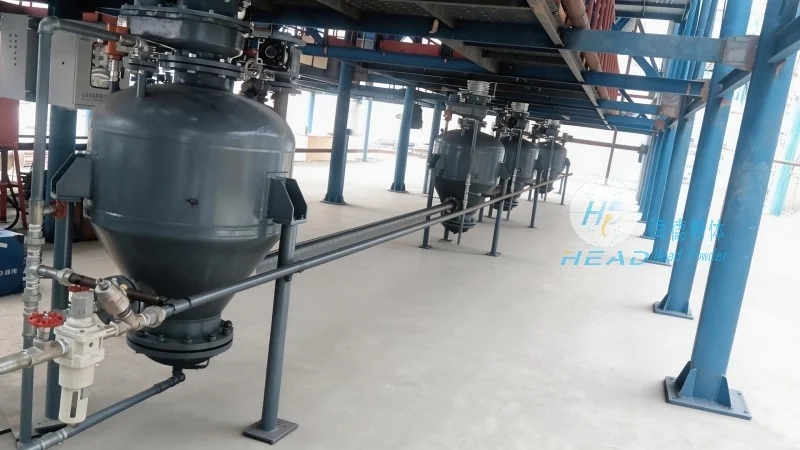
1. Belt Conveyor System for Sweet Potato Handling
The belt conveyor is one of the most widely used methods for transporting sweet potatoes due to its versatility and ability to handle large volumes. HeadPowder’s belt conveyors are engineered with heavy-duty rubber or PVC belts, ensuring minimal damage to the tubers during transport. These systems are particularly effective in sorting and moving sweet potatoes over long distances, such as from the field to a processing facility. The design includes adjustable speed controls and robust frame structures, making them suitable for both indoor and outdoor applications. The belt conveyor’s smooth operation reduces the risk of bruising and cracking, preserving the quality of the sweet potatoes.
2. Screw Conveyor for Sweet Potato Processing
Screw conveyors, also known as auger conveyors, are ideal for vertical or inclined transport of sweet potatoes. HeadPowder’s screw conveyors utilize a rotating helical screw to move the tubers through a cylindrical housing. This method is highly efficient for elevating sweet potatoes from lower to higher levels, such as from a storage bin to a processing line. The design minimizes the need for additional machinery and is compact, making it suitable for space-constrained environments. The screw’s smooth surface prevents excessive friction, reducing the risk of damage to the sweet potatoes. Additionally, screw conveyors can be equipped with variable speed drives to control the flow rate, ensuring consistent processing.
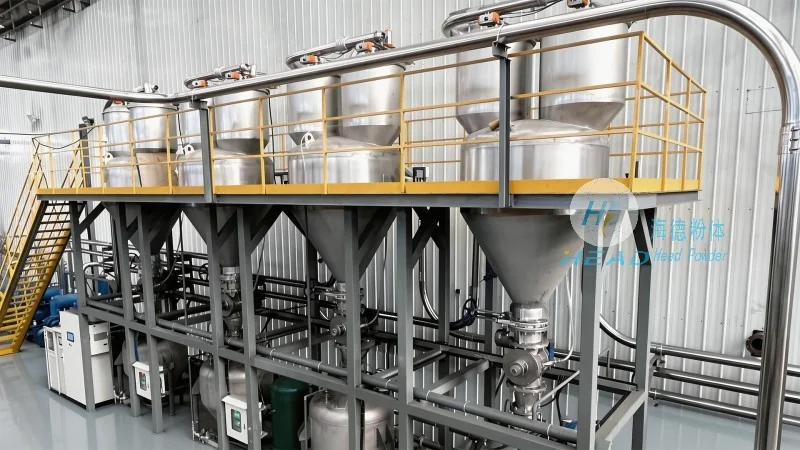
3. Pneumatic Conveying System for Sweet Potato Transport
Pneumatic conveying systems use air pressure to transport sweet potatoes in a closed pipeline. HeadPowder’s pneumatic conveyors are designed for high-speed, low-loss transport, particularly useful for moving sweet potatoes over short to medium distances within a processing plant. The system consists of a hopper, a blower, and a receiving bin, with the sweet potatoes being carried in a stream of air. This method is hygienic and reduces the risk of contamination, as the tubers are not in direct contact with other materials. Pneumatic conveyors are also capable of handling sweet potatoes with varying sizes and shapes, making them versatile for different processing stages. However, they require a higher initial investment and may need regular maintenance to ensure optimal performance.
4. Chain Conveyor for Heavy-Duty Sweet Potato Handling
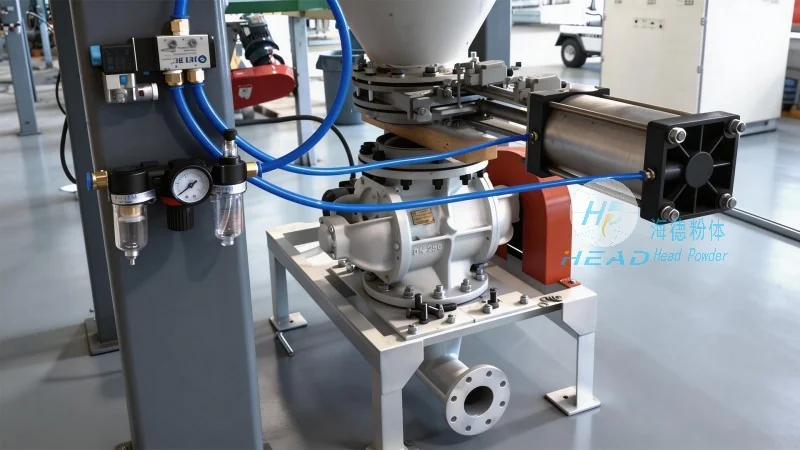
Chain conveyors are suitable for transporting large quantities of sweet potatoes with high impact resistance. HeadPowder’s chain conveyors feature sturdy metal chains and durable buckets or slats, designed to withstand the weight and rough handling of sweet potatoes. These systems are commonly used in sorting and grading operations, where the sweet potatoes need to be moved over uneven surfaces or through multiple stages of processing. The chain conveyor’s robust construction ensures long service life and minimal downtime, making it a cost-effective solution for heavy-duty applications. The adjustable chain speed allows for precise control over the transport rate, enhancing the efficiency of the processing line.
5. Comparison and Selection Guide
When selecting a sweet potato conveying method, several factors should be considered, including the volume of sweet potatoes to be handled, the distance of transport, the available space, and the processing requirements. Belt conveyors are ideal for long-distance horizontal transport and large volumes. Screw conveyors are suitable for vertical or inclined transport and compact spaces. Pneumatic conveyors offer hygienic and efficient transport over shorter distances. Chain conveyors are best for heavy-duty and rough handling applications. HeadPowder’s expertise in customizing conveying systems ensures that clients can choose the most appropriate solution for their specific needs, optimizing efficiency and minimizing operational costs.

 Công ty TNHH Kỹ thuật Công trình Bột Hải Đức Sơn Đông
 156-6277-7102(Quản lý Trương)
  0531-83386006
  Quận Chương Khâu, Thành phố Tế Nam, Tỉnh Sơn Đông, Trung Quốc
Điện thoại
WeChatTư vấn
Lên đầu