Công ty Hải Đức Bột với hơn 10 năm kinh nghiệm vận chuyển khí, cung cấp hệ thống‑thiết bị‑quạt gió và nhận dự án tổng thầu bột cả nước
When it comes to handling and transporting sorghum, selecting the right conveying method is crucial for efficiency and cost-effectiveness in agricultural operations. Various techniques are employed across different industries, each with its own advantages and limitations. This article provides an overview of common sorghum conveying methods, focusing on their applications, benefits, and practical considerations.
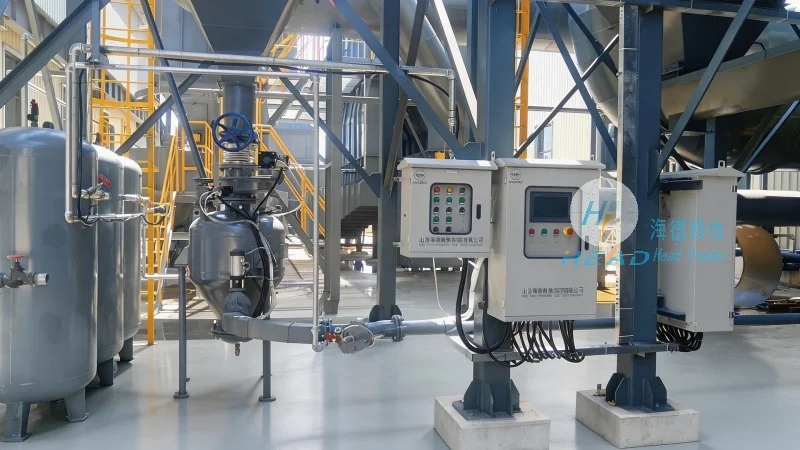
Introduction to Sorghum Conveying Systems
Sorghum, a versatile cereal grain, is widely used in food production, animal feed, and biofuel manufacturing. Efficient transportation of sorghum from storage facilities to processing plants is essential to maintain quality and minimize losses. The choice of conveying method depends on factors such as grain type, volume, distance, and operational environment. Understanding the different options available helps businesses optimize their logistics and improve overall productivity.
1. Belt Conveyors for Sorghum Transport
Belt conveyors are among the most common and versatile equipment used in sorghum handling. These systems utilize a continuous belt to transport grains horizontally or at a slight incline. The design typically includes a drive system, idlers, and a hopper or feed hopper to load the sorghum. Belt conveyors are suitable for both short and long distances, making them ideal for on-farm storage and bulk handling. They are particularly effective for transporting large quantities of sorghum due to their high capacity and ability to handle various grain sizes without causing damage. The smooth operation of belt conveyors ensures minimal grain breakage, preserving the quality of the sorghum for further processing. HeadPowder, a leading manufacturer in the field, offers high-quality belt conveyor systems tailored to meet the specific needs of sorghum transport operations.
2. Screw Conveyors (Augers) for Granular Material Handling
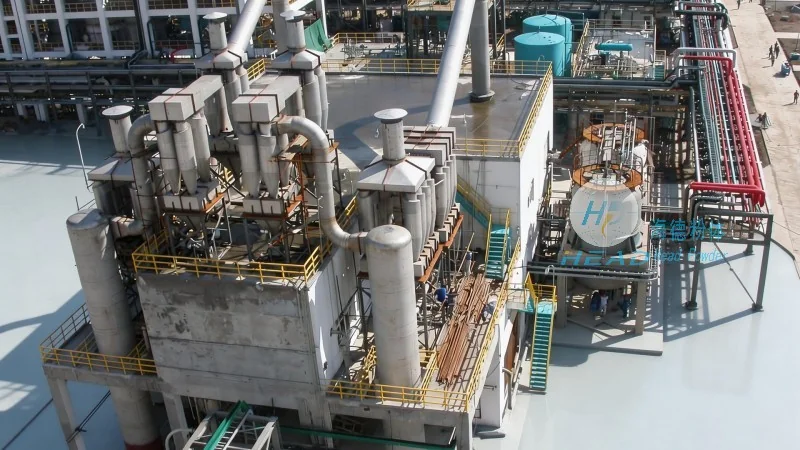
Screw conveyors, also known as augers, are another popular choice for sorghum conveying. These systems consist of a rotating screw inside a tube, which moves the grain forward through the tube. Screw conveyors are well-suited for vertical or inclined transport, making them efficient for lifting sorghum from lower to higher levels. They are particularly effective for handling dry, free-flowing grains like sorghum, as the screw mechanism ensures consistent movement without the need for additional power beyond the motor driving the screw. The compact design of screw conveyors allows for installation in confined spaces, which is beneficial in processing facilities where space is limited. However, it is important to note that screw conveyors may cause some grain breakage, especially at higher speeds or with harder grains. HeadPowder provides reliable screw conveyor solutions designed to optimize sorghum handling with minimal operational disruptions.
3. Pneumatic Conveying Systems for Bulk Material Transport
Pneumatic conveying systems use air or gas to transport sorghum through a pipeline. These systems are highly efficient for long-distance transport and can handle both dry and slightly moist sorghum. The process involves blowing air through a pipeline, which creates a pressure differential that moves the grain. Pneumatic conveyors are particularly advantageous in environments where dust control is a priority, as they enclose the grain during transport. However, they require higher energy input compared to mechanical systems and may not be suitable for very fine or sticky sorghum particles. The flexibility of pneumatic systems allows for multiple delivery points, making them ideal for complex processing plants. HeadPowder specializes in designing and manufacturing pneumatic conveying equipment that ensures reliable and efficient sorghum transport while maintaining grain integrity.
4. Bucket Elevators for Vertical Grain Movement
Bucket elevators are specialized equipment used for vertical transport of sorghum. These systems consist of a vertical or inclined conveyor with buckets attached to a chain or belt. As the buckets move up or down, they scoop up the sorghum and transport it to the desired height. Bucket elevators are highly effective for lifting sorghum from silos or storage bins to processing areas, especially in large-scale operations. They are capable of handling high volumes of grain and can operate continuously without frequent maintenance. The enclosed design of bucket elevators minimizes dust and spillage, contributing to a cleaner working environment. However, bucket elevators require regular inspection and maintenance to ensure proper operation and prevent mechanical failures. HeadPowder offers durable bucket elevator solutions that enhance vertical sorghum movement with minimal downtime.
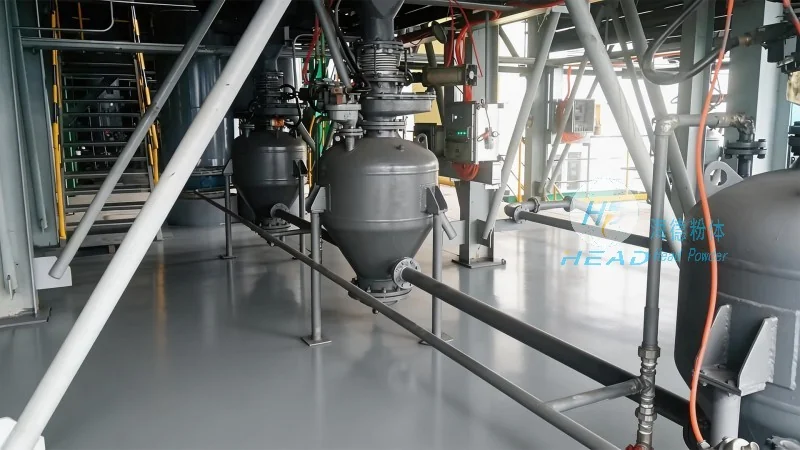
5. Comparison of Conveying Methods: Key Factors to Consider
When comparing the different sorghum conveying methods, several factors should be considered to determine the most suitable option. The distance and elevation change are critical, as they influence the choice between horizontal, inclined, or vertical systems. The volume of sorghum to be transported also plays a role, with belt and pneumatic conveyors generally better suited for high-volume operations. Energy consumption and operational costs are important considerations, as they impact the long-term efficiency of the system. Additionally, the need for dust control and grain protection may favor enclosed systems like pneumatic or bucket elevators. The specific requirements of the processing plant, such as space availability and existing infrastructure, should also be taken into account. By evaluating these factors, businesses can select the most appropriate conveying method that maximizes efficiency and minimizes costs. HeadPowder provides comprehensive solutions that address these considerations, ensuring optimal sorghum transport for various industrial applications.
Conclusion: Choosing the Right Sorghum Conveying Method
In conclusion, the selection of a sorghum conveying method depends on a combination of operational requirements, grain characteristics, and budget constraints. Belt conveyors offer versatility and high capacity for horizontal transport, while screw conveyors are efficient for vertical or inclined movement. Pneumatic systems excel in long-distance and enclosed transport, and bucket elevators are ideal for vertical lifting. Each method has its strengths and limitations, and the best choice is often determined by the specific needs of the operation. HeadPowder Engineering Co., Ltd., based in Shandong, China, specializes in providing tailored conveying solutions for sorghum and other bulk materials. With years of experience in the industry, HeadPowder ensures that their equipment meets the highest standards of quality and performance, helping businesses achieve efficient and reliable sorghum transport. Whether for on-farm storage or industrial processing, selecting the right conveying method is essential to optimizing grain handling and improving overall productivity.

 Công ty TNHH Kỹ thuật Công trình Bột Hải Đức Sơn Đông
 156-6277-7102(Quản lý Trương)
  0531-83386006
  Quận Chương Khâu, Thành phố Tế Nam, Tỉnh Sơn Đông, Trung Quốc
Điện thoại
WeChatTư vấn
Lên đầu