Công ty Hải Đức Bột với hơn 10 năm kinh nghiệm vận chuyển khí, cung cấp hệ thống‑thiết bị‑quạt gió và nhận dự án tổng thầu bột cả nước
HeadPowder, a leading provider in the field of powder handling technology, specializes in solutions tailored for the efficient and safe transportation of PTA powder. This article provides a detailed comparison of the most common PTA powder conveying methods, focusing on their operational principles, advantages, and practical applications.
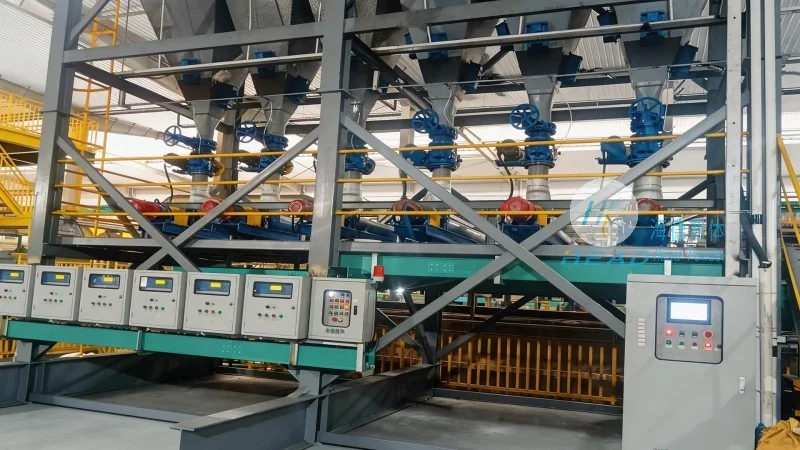
Overview of PTA Powder Conveying Methods
PTA (polyethylene terephthalate acid) powder is a critical raw material in the production of polyester fibers and resins. Its handling requires specialized equipment due to its fine particle size and potential for dust generation. The primary goal of PTA powder conveying is to move the material from storage to processing units without compromising quality or safety. Several methods are widely used in industrial settings, each with distinct characteristics that make them suitable for different scenarios.
1. Air-Pressure Conveying (Pneumatic Conveying)
Air-pressure conveying, or pneumatic conveying, is one of the most common methods for transporting PTA powder. This technique uses compressed air to move the powder through a pipeline. There are two main types: pressure and vacuum systems. In pressure systems, air is introduced at the inlet, creating a positive pressure that pushes the powder forward. Vacuum systems, on the other hand, create a negative pressure at the outlet, drawing the powder through the line.
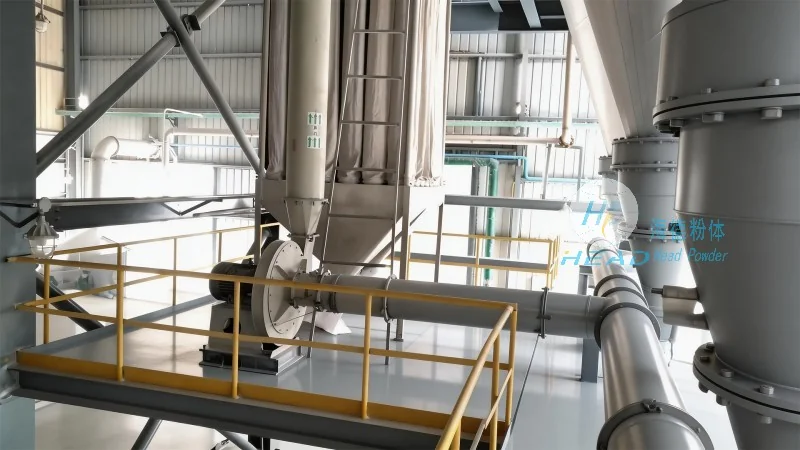
Advantages of pneumatic conveying include high efficiency in moving large volumes of powder over long distances, minimal material degradation, and the ability to handle abrasive or sensitive powders. However, it requires a robust air compression system and can be more energy-intensive compared to mechanical methods. The choice between pressure and vacuum depends on the specific layout of the plant and the distance the powder needs to travel.
2. Mechanical Conveying (Bulk Handling Equipment)
Mechanical conveying methods utilize physical components like screws, belts, and buckets to transport PTA powder. The most common types include screw conveyors, belt conveyors, and bucket elevators. Screw conveyors are particularly effective for horizontal or slight incline transport, as they use a rotating screw to push the powder along a trough. Belt conveyors are ideal for long-distance horizontal transport, capable of moving large quantities of material with minimal maintenance.
Bucket elevators are used for vertical or steep incline transport, lifting the powder in buckets attached to a chain or belt. Mechanical conveyors offer advantages such as lower energy consumption compared to pneumatic systems and are generally more cost-effective for short to medium distances. However, they may be less efficient for fine powders and can cause more wear and tear on the material due to friction.
3. Hydraulic Conveying
Hydraulic conveying involves the use of water or other liquids to transport PTA powder. The powder is mixed with the liquid to form a slurry, which is then pumped through pipelines. This method is particularly useful for handling very fine or cohesive powders that are difficult to move by other means. Hydraulic systems can handle high volumes and are effective over long distances, but they require additional equipment for slurry separation and drying, increasing operational complexity.
4. Vacuum Conveying Systems
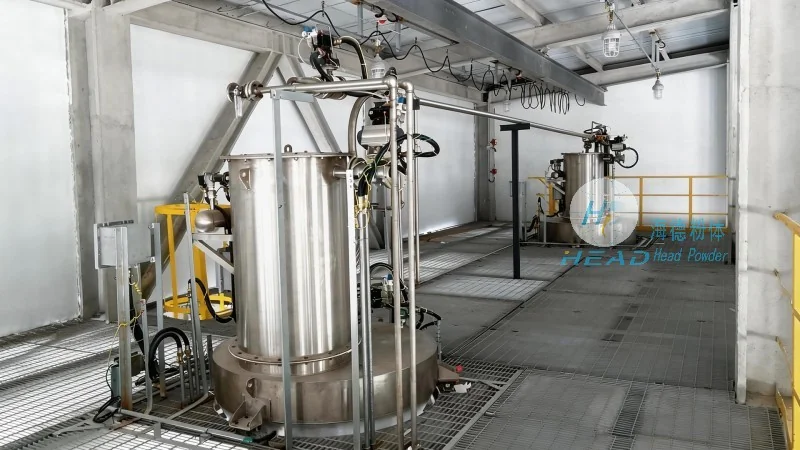
Vacuum conveying systems are a subset of pneumatic conveying that operate under negative pressure. They are commonly used for short to medium distance transport, especially in applications where the powder needs to be collected from multiple points or from elevated sources. These systems are often preferred for their ability to handle fine powders without causing excessive particle breakage and for their relatively low noise levels.
Key Considerations for Choosing a Conveying Method
When selecting a PTA powder conveying method, several factors must be considered. The first is the distance and layout of the plant, as this determines whether a pneumatic or mechanical system is more suitable. The second is the volume and particle size of the powder, as finer powders may require more specialized equipment to prevent clogging or degradation. The third is the energy efficiency and operational costs, as different methods have varying power requirements and maintenance needs. Additionally, safety considerations, such as dust control and explosion prevention, are critical in the handling of PTA powder.
Conclusion
Shandong HeadPowder Engineering Co., Ltd. provides comprehensive solutions for PTA powder conveying, incorporating the latest technology to ensure efficiency, safety, and reliability. By understanding the operational characteristics and limitations of each conveying method, industrial facilities can select the most appropriate system for their specific needs, optimizing production processes and minimizing operational risks.

 Công ty TNHH Kỹ thuật Công trình Bột Hải Đức Sơn Đông
 156-6277-7102(Quản lý Trương)
  0531-83386006
  Quận Chương Khâu, Thành phố Tế Nam, Tỉnh Sơn Đông, Trung Quốc
Điện thoại
WeChatTư vấn
Lên đầu