Công ty Hải Đức Bột với hơn 10 năm kinh nghiệm vận chuyển khí, cung cấp hệ thống‑thiết bị‑quạt gió và nhận dự án tổng thầu bột cả nước
For industries dealing with iron ore powder, selecting the right conveying method is crucial for efficiency, cost-effectiveness, and operational safety. The choice of conveying system directly impacts production flow, material handling, and overall plant performance. In this article, we will explore several common iron ore powder conveying methods, analyzing their characteristics, advantages, and typical applications. Understanding these options helps businesses optimize their operations and choose the most suitable solution for their specific needs.
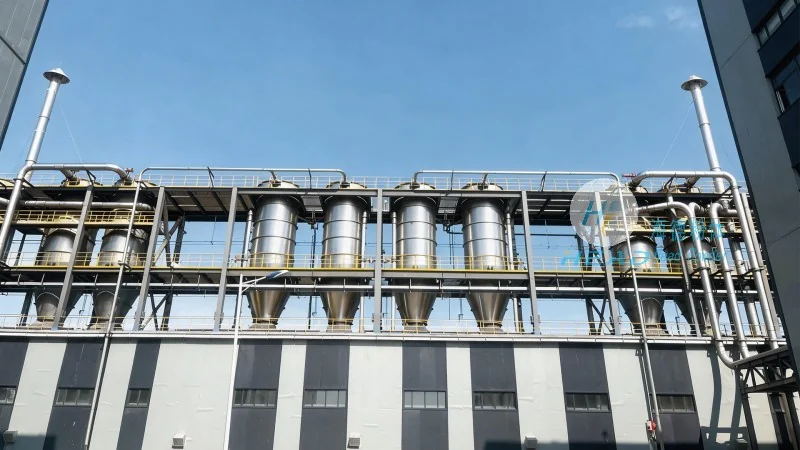
1. Pneumatic Conveying Systems
Pneumatic conveying, also known as air conveying, is a widely used method for transporting iron ore powder due to its ability to handle fine powders and provide flexible system designs. This method utilizes air pressure or vacuum to move material through a pipeline. There are two main types: pressure and vacuum systems. Pressure systems use compressed air to push material forward, while vacuum systems use a vacuum to draw material into the line. Pneumatic conveying is particularly effective for long-distance transport and can be integrated with other processing equipment. It offers advantages such as minimal material degradation, ability to transport multiple materials in the same line, and reduced labor costs for handling. However, it requires careful consideration of air consumption, material moisture content, and system maintenance to ensure optimal performance. Additionally, high-pressure systems may need additional safety measures to prevent pressure-related incidents.
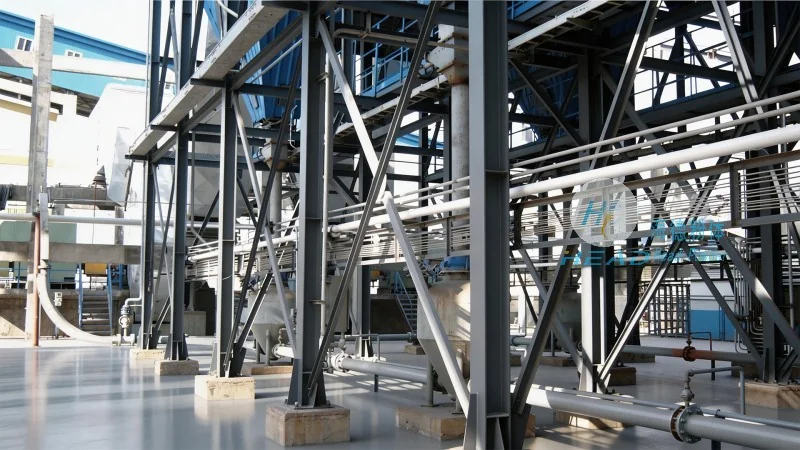
2. Screw Conveyors
Screw conveyors, or auger conveyors, are another common solution for iron ore powder handling. These systems use a rotating screw (auger) to move material along a trough. Screw conveyors are suitable for horizontal or slightly inclined transport and are often used in batching, mixing, and feeding applications. They are relatively simple in design, easy to install, and can handle a wide range of particle sizes. The main advantages include low maintenance costs, ability to operate in enclosed environments, and consistent material flow. However, screw conveyors may experience issues with material buildup on the screw surface, especially with sticky or cohesive iron ore powders, which can affect efficiency and require regular cleaning or material conditioning. Moreover, they are less effective for vertical transport compared to other methods.
3. Belt Conveyors
Belt conveyors are a classic and robust method for transporting iron ore powder, especially for bulk material handling over medium to long distances. These systems consist of a continuous belt loop that moves material from one point to another using rollers and pulleys. Belt conveyors are highly efficient for high-volume applications and can be designed with steep inclines or declines. They are commonly used in mining operations, stockpiling, and material transfer between processing stages. The key benefits include high capacity, low power consumption per tonne, and durability under heavy loads. However, belt conveyors require regular maintenance of the belt and pulley system, and they may not be suitable for very fine or dusty powders that could cause belt wear or material spillage. Additionally, they may need dust control measures to comply with environmental regulations.
4. Hydraulic Conveying
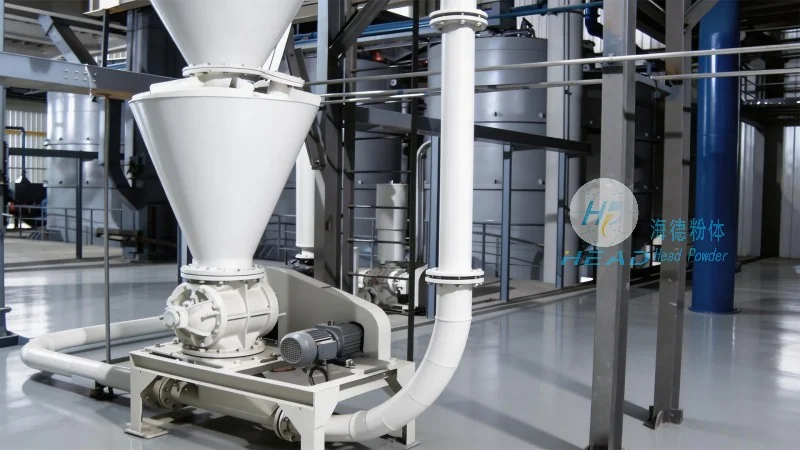
Hydraulic conveying systems use water or other liquids to transport iron ore powder, particularly in applications where the material is highly abrasive or has high moisture content. This method involves pumping a slurry of iron ore powder and water through pipelines. Hydraulic conveying is effective for long-distance transport and can handle large volumes of material. The main advantages include the ability to transport materials with high moisture content and the reduced risk of dust generation. However, it requires significant water usage and additional equipment for slurry preparation and dewatering. The system also needs regular cleaning to prevent blockages and corrosion, which can increase maintenance costs. Hydraulic conveying is often used in mining operations where water is readily available and the material is naturally wet.
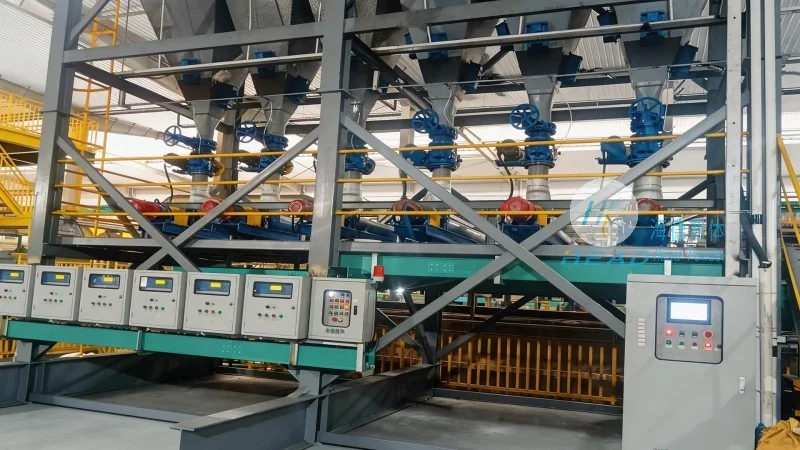
5. Combination Systems
In many industrial settings, a single conveying method may not be sufficient, leading to the use of combination systems. These systems integrate multiple technologies to address specific operational challenges. For example, a pneumatic conveying system might be used for short-distance transport from a storage silo to a processing unit, followed by a screw conveyor for feeding into a mixer. Combining different methods allows for optimized material flow, reduced energy consumption, and improved overall efficiency. The design of combination systems requires careful planning to ensure smooth transitions between different components and to minimize material loss or degradation. Companies like Shandong HeadPowder Engineering Co., Ltd. specialize in designing and implementing such integrated solutions, leveraging their expertise in material handling and process engineering.
Choosing the Right Conveying Method for Your Needs
When selecting an iron ore powder conveying method, several factors must be considered. These include the particle size and moisture content of the material, the distance to be covered, the required capacity, and the environmental regulations in the operating area. Each method has its strengths and limitations, and the best choice depends on the specific application and operational constraints. For instance, pneumatic conveying is ideal for fine powders and long distances, while screw conveyors are better suited for horizontal transport and moderate capacities. Belt conveyors excel in bulk handling and high-volume operations, whereas hydraulic systems are suitable for wet or abrasive materials. By evaluating these factors and consulting with experts like Shandong HeadPowder Engineering Co., Ltd., businesses can make informed decisions that enhance productivity, reduce costs, and ensure compliance with industry standards.

 Công ty TNHH Kỹ thuật Công trình Bột Hải Đức Sơn Đông
 156-6277-7102(Quản lý Trương)
  0531-83386006
  Quận Chương Khâu, Thành phố Tế Nam, Tỉnh Sơn Đông, Trung Quốc
Điện thoại
WeChatTư vấn
Lên đầu