Công ty Hải Đức Bột với hơn 10 năm kinh nghiệm vận chuyển khí, cung cấp hệ thống‑thiết bị‑quạt gió và nhận dự án tổng thầu bột cả nước
When it comes to handling and transporting corn flour, selecting the right conveying method is crucial for efficiency, cost-effectiveness, and product integrity. Various technologies are available, each with distinct advantages and applications. This article provides a detailed comparison of common corn flour conveying methods, helping you make an informed decision for your processing operations.
1. Pneumatic Conveying Systems
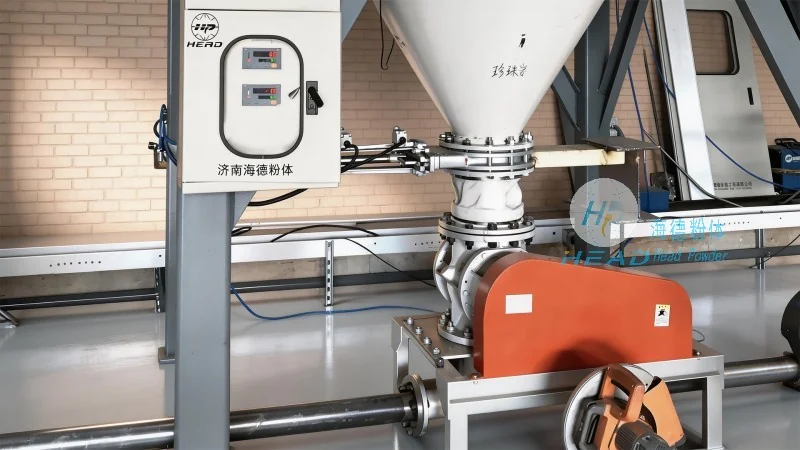
Pneumatic conveying, also known as air conveying, is a widely used method for transporting corn flour due to its ability to move materials over long distances without mechanical contact. This system utilizes compressed air to create a flow that propels the corn flour through a pipeline. There are two main types: pressure and vacuum systems. Pressure systems are ideal for short to medium distances and high-volume applications, while vacuum systems are better suited for longer distances or when materials need to be collected from multiple points. The key advantage of pneumatic conveying is its ability to handle fine powders like corn flour without degradation, making it suitable for sensitive products. However, it requires proper air filtration and maintenance to prevent dust accumulation and system blockages. HeadPowder specializes in designing and manufacturing custom pneumatic conveying solutions tailored to the specific needs of corn flour processing facilities.
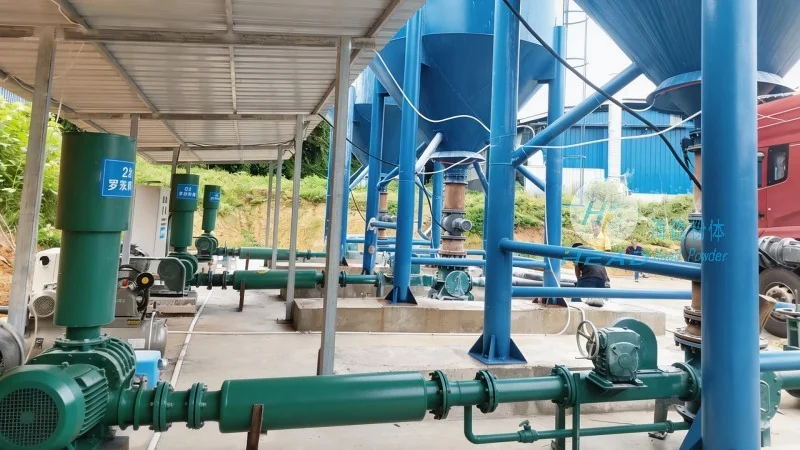
2. Screw Conveyors (Auger Conveyors)
Screw conveyors, or auger conveyors, are mechanical devices that use a rotating screw to move corn flour through a tube or trough. This method is particularly effective for vertical or inclined transport, as the screw can lift and transport materials against gravity. Screw conveyors are simple in design, requiring minimal maintenance, and are suitable for both dry and slightly moist corn flour. They are often used in processing plants for feeding, batching, and transferring raw materials. The main benefits include low cost, compact design, and the ability to handle a wide range of particle sizes. However, they may not be as efficient for very fine powders or when high throughput is required, as the screw can cause some friction and potential degradation of the product. HeadPowder offers screw conveyor systems that are engineered for durability and efficient corn flour handling, ensuring reliable performance in industrial settings.
3. Belt Conveyors
Belt conveyors use a continuous belt to transport corn flour horizontally or at a slight incline. This method is commonly used in bulk material handling applications, including corn flour, due to its high capacity and ability to cover long distances. Belt conveyors are ideal for transporting large volumes of corn flour from storage to processing equipment or for moving materials between different stages of production. They are robust and can handle a variety of material types, including dry powders. The primary advantages are high throughput, low maintenance, and the ability to transport materials over long distances without significant loss. However, they require proper alignment and tensioning to prevent belt slippage or material spillage. HeadPowder provides belt conveyor solutions that are designed for heavy-duty corn flour transport, ensuring smooth and efficient operation in industrial environments.
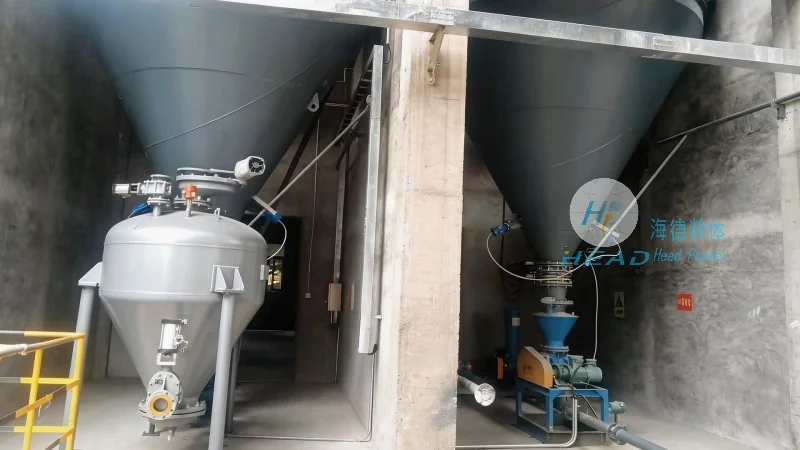
4. Hydraulic Conveying
Hydraulic conveying systems use a liquid medium, typically water or a slurry, to transport corn flour. This method is particularly effective for handling wet or sticky corn flour, as the liquid helps to keep the material suspended and prevent clogging. Hydraulic conveyors are often used in processes where the corn flour needs to be mixed with water or other liquids before transport. The main advantage is the ability to handle difficult-to-convey materials, such as wet or sticky powders, without the need for mechanical components that might cause wear or degradation. However, hydraulic systems require regular maintenance to prevent corrosion and ensure the liquid medium remains clean. HeadPowder offers hydraulic conveying solutions that are tailored to the specific characteristics of corn flour, ensuring efficient and reliable transport in processing applications.
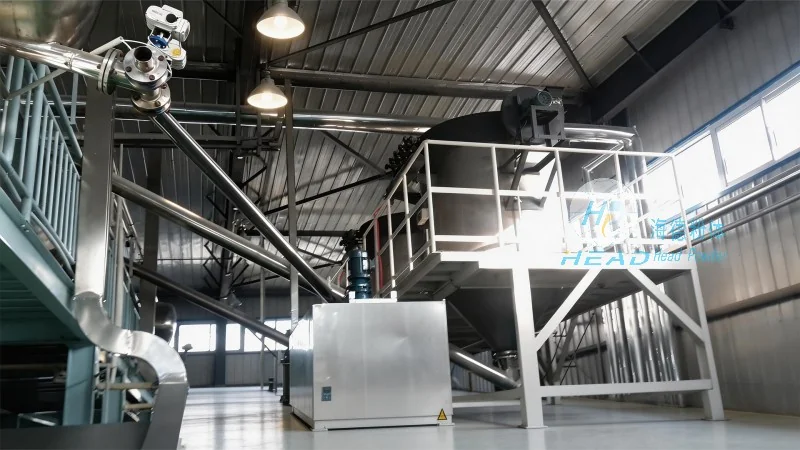
5. Comparison and Selection Criteria
Choosing the right corn flour conveying method depends on several factors, including the volume of material to be transported, the distance over which it needs to be moved, the physical properties of the corn flour (such as particle size, moisture content, and flowability), and the overall budget. Pneumatic conveying is often preferred for fine powders and long-distance transport, while screw and belt conveyors are more suitable for bulk handling and shorter distances. Hydraulic systems are ideal for wet or sticky materials. It is essential to consider the specific requirements of your corn flour processing operation and consult with experts like HeadPowder to determine the most appropriate conveying solution.
About HeadPowder: Your Corn Flour Conveying Solutions Partner
HeadPowder, or Shandong HeadPowder Engineering Co., Ltd., is a leading manufacturer and supplier of corn flour conveying equipment and systems. With a focus on innovation and quality, HeadPowder specializes in designing and manufacturing custom solutions for the agricultural and food processing industries. Our team of experts works closely with clients to understand their specific needs and provide tailored conveying systems that enhance efficiency, reduce costs, and ensure product integrity. HeadPowder’s products are engineered to meet the highest standards of durability, reliability, and performance, making them the preferred choice for corn flour processing facilities worldwide. Our commitment to customer satisfaction and technical excellence has made HeadPowder a trusted partner in the industry, helping businesses optimize their corn flour handling processes and achieve their operational goals.

 Công ty TNHH Kỹ thuật Công trình Bột Hải Đức Sơn Đông
 156-6277-7102(Quản lý Trương)
  0531-83386006
  Quận Chương Khâu, Thành phố Tế Nam, Tỉnh Sơn Đông, Trung Quốc
Điện thoại
WeChatTư vấn
Lên đầu