Công ty Hải Đức Bột với hơn 10 năm kinh nghiệm vận chuyển khí, cung cấp hệ thống‑thiết bị‑quạt gió và nhận dự án tổng thầu bột cả nước
When it comes to handling and transporting cotton fibers, selecting the right conveying method is crucial for efficiency and material integrity. Various techniques are employed in the industry, each with its own advantages and applications. This article explores common cotton fiber conveying methods, with a particular focus on air-driven systems, as presented by Shandong HeadPowder Engineering Co., Ltd., a leading provider in the field.
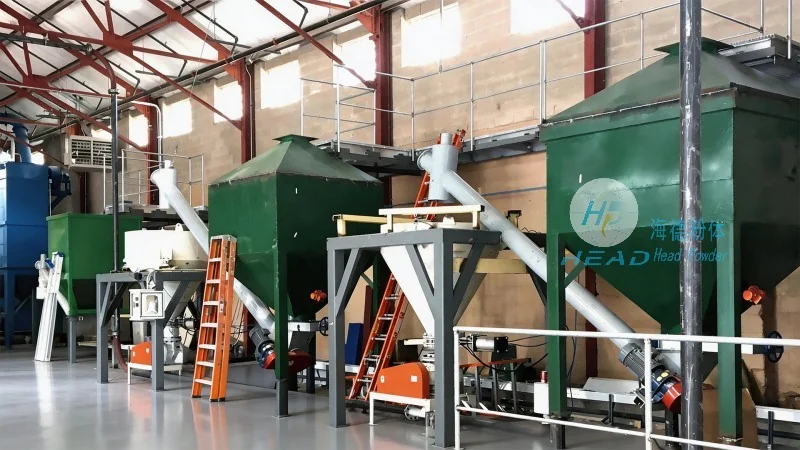
Understanding Cotton Fiber Conveying: The Basics
Cotton fibers are lightweight, delicate materials that require gentle handling to prevent damage or degradation. Conveying systems must therefore balance the need for effective material movement with the preservation of fiber quality. The choice of conveying method depends on factors such as the volume of material, the distance to be covered, the environment, and the specific requirements of the processing line.
Common Conveying Methods for Cotton Fibers
Several conventional methods are used for cotton fiber transport. These include gravity-based systems, mechanical devices like belts and chains, and pneumatic (air-driven) solutions. Each method has its strengths and limitations, making it suitable for different scenarios.
Gravity Conveying Systems
Gravity conveying relies on the natural force of gravity to move cotton fibers from one point to another. This method is often used for short distances and when the material can flow freely. It typically involves sloped chutes or hoppers that allow the fibers to slide down under their own weight. While simple and low-cost, gravity systems are limited by the need for a downward slope and may not be suitable for long distances or when the material is sticky or has a high moisture content.
Mechanical Conveying Systems
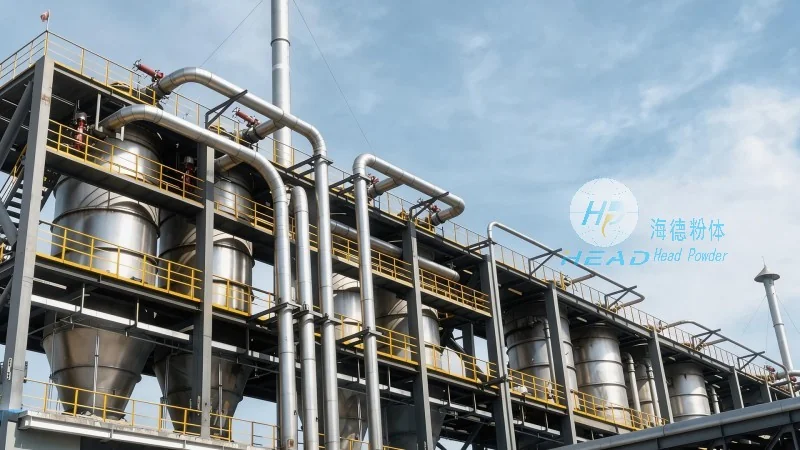
Mechanical conveying uses mechanical components like belts, chains, or screws to transport cotton fibers. Belt conveyors are common for moving fibers over short to medium distances, while screw conveyors are effective for vertical or inclined transport. These systems offer better control over the material flow and can handle a wider range of fiber types. However, they may cause more friction and wear on the fibers, potentially affecting their quality.
Air-Driven (Pneumatic) Conveying Systems
Air-driven or pneumatic conveying systems utilize compressed air to transport cotton fibers through a pipeline. This method is particularly effective for handling fine, lightweight materials like cotton, as it minimizes physical contact and reduces the risk of damage. There are two main types of pneumatic conveying: pressure and vacuum systems. Pressure systems use high-pressure air to push the material through the pipeline, while vacuum systems use a vacuum to draw the material in.
Advantages of Air-Driven Cotton Fiber Conveying
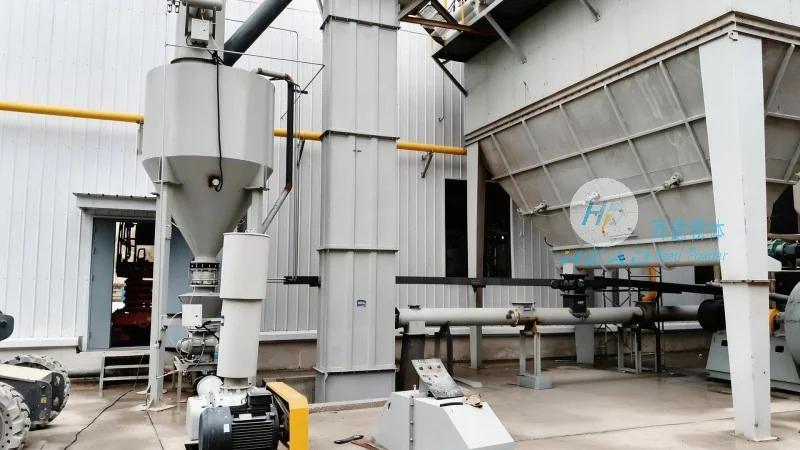
Shandong HeadPowder Engineering Co., Ltd. specializes in air-driven cotton fiber conveying systems, which offer several key advantages. First, they provide gentle handling, preserving the integrity of the cotton fibers. Second, they are highly efficient, capable of moving large volumes of material over long distances with minimal energy consumption. Third, pneumatic systems are flexible and can be easily integrated into existing processing lines. Additionally, they offer excellent dust control, as the material is contained within the pipeline, reducing airborne particles and improving workplace safety.
Applications and Considerations
Air-driven cotton fiber conveying is widely used in various industries, including textile manufacturing, cotton processing, and agricultural applications. It is particularly suitable for applications where the material needs to be transported in a clean, controlled environment. However, the choice of system depends on factors such as the fiber's moisture content, the presence of contaminants, and the required conveying distance. Proper system design and maintenance are essential to ensure optimal performance and longevity.
Conclusion
In summary, cotton fiber conveying methods vary, with air-driven systems offering significant benefits for preserving material quality and efficiency. Shandong HeadPowder Engineering Co., Ltd. provides advanced air-driven solutions tailored to the specific needs of cotton fiber processing, ensuring reliable and effective material transport. By understanding the different conveying options and their applications, businesses can select the most appropriate system to enhance their operations and maintain the quality of their cotton fibers.

 Công ty TNHH Kỹ thuật Công trình Bột Hải Đức Sơn Đông
 156-6277-7102(Quản lý Trương)
  0531-83386006
  Quận Chương Khâu, Thành phố Tế Nam, Tỉnh Sơn Đông, Trung Quốc
Điện thoại
WeChatTư vấn
Lên đầu