Công ty Hải Đức Bột với hơn 10 năm kinh nghiệm vận chuyển khí, cung cấp hệ thống‑thiết bị‑quạt gió và nhận dự án tổng thầu bột cả nước
When it comes to handling sulfur in industrial settings, the design of an efficient and reliable pneumatic conveying system is crucial. Sulfur, being a solid material with specific properties, requires careful consideration of various factors to ensure smooth operation and minimal downtime. This article aims to guide professionals in the selection and design of a sulfur pneumatic conveying system, focusing on key aspects that contribute to a successful implementation.
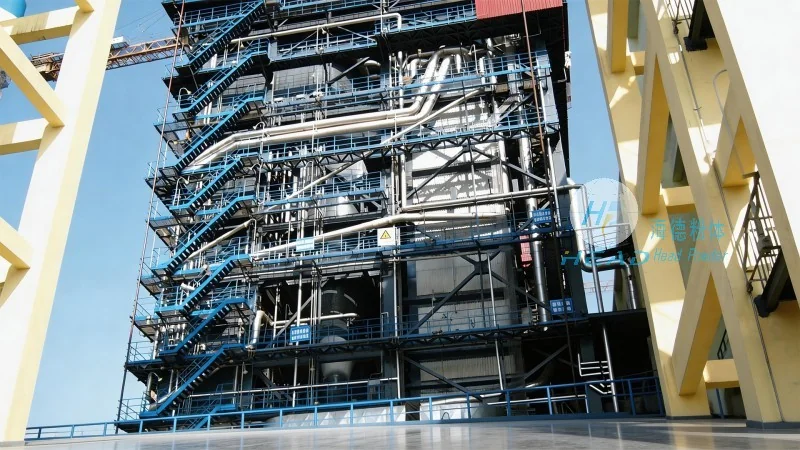
HeadPowder Engineering Co., Ltd., a leading company in the field, specializes in providing comprehensive solutions for material handling systems. With years of experience in engineering and project execution, HeadPowder offers tailored designs that meet the unique demands of sulfur processing facilities. The company’s expertise lies in understanding the challenges associated with sulfur’s physical characteristics, such as its density, flowability, and potential for dust generation, and addressing these through innovative system designs.
One of the primary considerations in designing a sulfur pneumatic conveying system is the choice between positive pressure and negative pressure systems. Positive pressure systems, where air is blown into the system to move material, are often preferred for long-distance conveying and handling of abrasive or corrosive materials like sulfur. These systems typically use high-pressure blowers and robust piping to ensure consistent material transport. On the other hand, negative pressure systems, which draw material into the system using suction, are suitable for shorter distances and applications where dust control is a priority. The selection of the system type depends on factors like the distance between the source and destination, the volume of material to be conveyed, and the environmental regulations in the area.
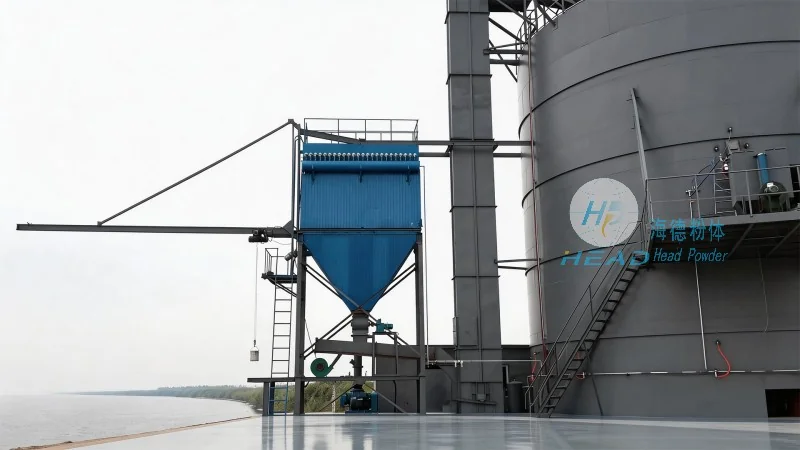
Another critical aspect is the design of the conveying line. The diameter and length of the pipes, as well as the type of material used for construction, play a significant role in the system’s performance. For sulfur, which can be prone to clumping or bridging, larger pipe diameters and smooth interior surfaces are recommended to prevent blockages. Stainless steel or special alloys are often used for the piping to resist corrosion from sulfur compounds. The layout of the system, including the placement of bends, elbows, and expansion joints, must be carefully planned to minimize pressure losses and maintain the velocity of the conveying air, ensuring that the sulfur particles remain in suspension.
Equipment selection is also a key factor in the success of a sulfur pneumatic conveying system. The blower or fan used must be capable of generating sufficient air pressure and volume to move the sulfur efficiently. Centrifugal blowers are commonly used for positive pressure systems due to their high airflow capacity and reliability. For negative pressure systems, vacuum pumps are employed to create the necessary suction. The choice of equipment depends on the system’s pressure requirements, the volume of material to be conveyed, and the desired conveying velocity. Additionally, accessories such as cyclone separators, filters, and material feeders are essential components that ensure the system operates smoothly and safely.
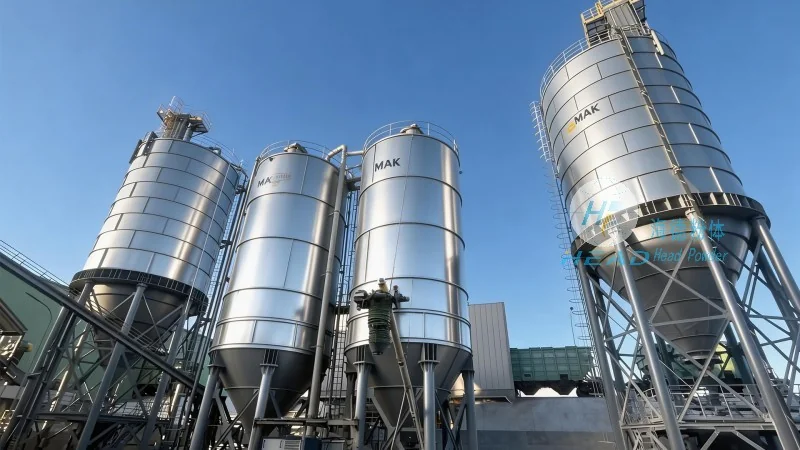
Safety is a paramount concern when dealing with sulfur, which can be hazardous if not handled properly. Proper ventilation and dust collection systems are necessary to prevent the accumulation of sulfur dust, which poses health risks and fire hazards. The system should be equipped with pressure relief valves and emergency shut-off mechanisms to handle any unexpected situations. Regular maintenance and inspection of the equipment are also crucial to ensure the system’s longevity and safety. HeadPowder Engineering Co., Ltd. emphasizes safety in all its designs, incorporating features that comply with industry standards and regulations.
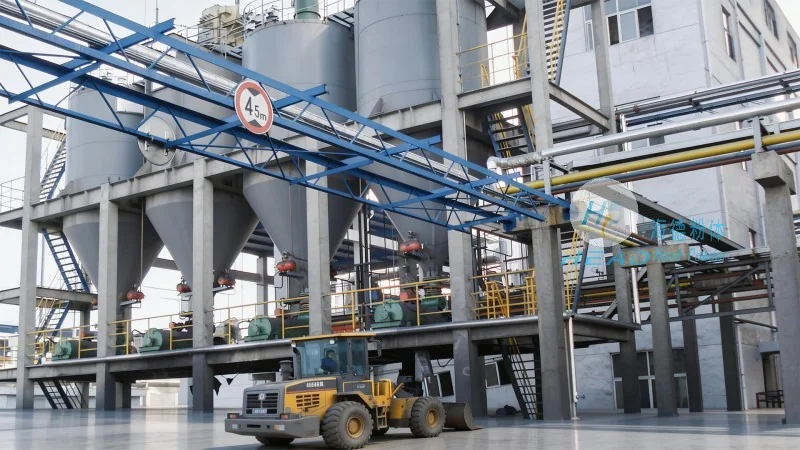
Cost-effectiveness is another important consideration in the design of a sulfur pneumatic conveying system. While initial investment in high-quality equipment and materials may be higher, the long-term benefits of reduced downtime, lower maintenance costs, and improved efficiency outweigh the initial expenses. A well-designed system minimizes energy consumption by optimizing air velocity and pressure, leading to significant savings over time. HeadPowder’s approach to system design focuses on balancing performance, reliability, and cost, ensuring that clients receive a solution that meets their budgetary constraints without compromising on quality.
In conclusion, designing a reasonable sulfur pneumatic conveying system requires a comprehensive understanding of the material’s properties, the system’s operational requirements, and the available resources. By considering factors such as system type, pipe design, equipment selection, and safety measures, professionals can develop an efficient and reliable system that meets the needs of sulfur processing facilities. HeadPowder Engineering Co., Ltd. stands ready to provide expert guidance and tailored solutions, leveraging its experience and expertise to deliver systems that enhance productivity and safety in sulfur handling operations.

 Công ty TNHH Kỹ thuật Công trình Bột Hải Đức Sơn Đông
 156-6277-7102(Quản lý Trương)
  0531-83386006
  Quận Chương Khâu, Thành phố Tế Nam, Tỉnh Sơn Đông, Trung Quốc
Điện thoại
WeChatTư vấn
Lên đầu