Công ty Hải Đức Bột với hơn 10 năm kinh nghiệm vận chuyển khí, cung cấp hệ thống‑thiết bị‑quạt gió và nhận dự án tổng thầu bột cả nước
Capsule pneumatic conveying systems are critical in modern material handling, offering efficient and flexible solutions for transporting bulk materials. The design of such systems requires careful consideration of various factors to ensure optimal performance, reliability, and cost-effectiveness. This article provides insights into the key aspects of designing a reasonable capsule pneumatic conveying system, with a focus on practical applications and industry best practices.
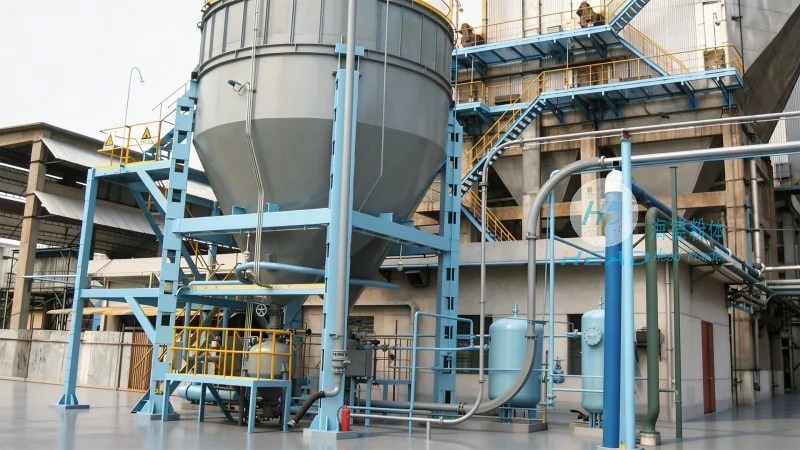
Key Considerations in System Design
When designing a capsule pneumatic conveying system, several critical factors must be evaluated to achieve the desired outcomes. These include the type of material being conveyed, the system's capacity requirements, the distance and layout of the conveying route, and the environmental conditions. The choice of conveying mode—such as dilute-phase or dense-phase—also plays a significant role in determining system efficiency and material handling characteristics. For instance, dilute-phase systems are suitable for lighter materials over shorter distances, while dense-phase systems are preferred for handling abrasive or sensitive materials over longer distances.
System Components and Their Roles
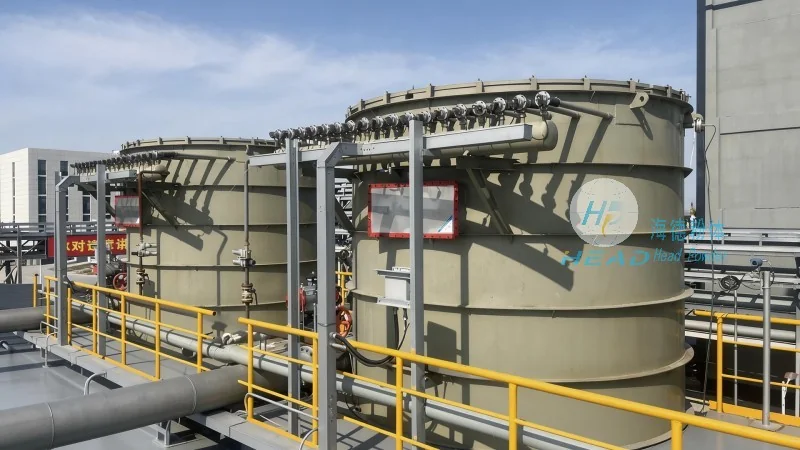
A capsule pneumatic conveying system typically consists of several key components, each with a specific function. These include the material feed hopper, which holds the bulk material and feeds it into the system; the air compressor, which generates the necessary pressure to move the material; the conveying line, which transports the material from the source to the destination; and the receiver, which collects the material at the end of the line. Additionally, components like filters, cyclones, and pressure regulators are essential for maintaining system performance and ensuring the material is conveyed without degradation.
Design Process and Calculation Methods
The design process involves detailed calculations to determine the appropriate system parameters. This includes determining the required air flow rate, pressure, and power consumption based on the material's properties and the system's operational requirements. Engineers often use empirical formulas and software tools to model the system and predict its behavior under different conditions. For example, the air velocity in the conveying line must be sufficient to lift and transport the material particles but not so high as to cause excessive wear or energy waste. Proper sizing of the air compressor and conveying line diameter is crucial to balance efficiency and cost.
Material Handling and System Integration
Integrating the capsule pneumatic conveying system with existing processes is another important aspect of design. The system must be compatible with the upstream and downstream equipment, such as storage silos, mixers, or packaging machines. This integration ensures smooth material flow and minimizes downtime. Additionally, the system's control and monitoring capabilities are vital for maintaining operational efficiency and detecting potential issues in real-time. Modern systems often include sensors and automation controls that allow for remote monitoring and adjustment of parameters, enhancing overall system reliability.
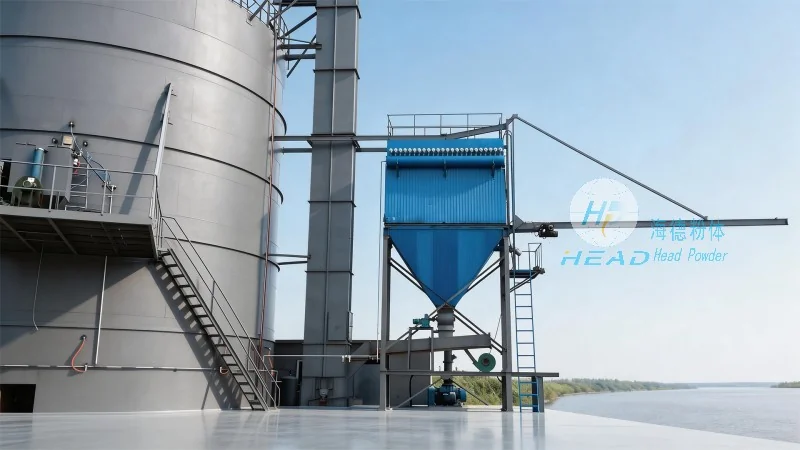
Case Study: Application in Pharmaceutical Industry
Shandong HeadPowder Engineering Co., Ltd., a leading provider of material handling solutions, has successfully implemented capsule pneumatic conveying systems in the pharmaceutical industry. The company's expertise in designing customized systems has enabled pharmaceutical manufacturers to handle sensitive materials like powders and granules with precision and compliance. For instance, a client in China utilized a capsule pneumatic conveying system to transport active pharmaceutical ingredients (APIs) from storage to production lines, ensuring minimal contamination and maintaining product quality. The system's design, tailored to the client's specific requirements, included features such as sterile air filtration and gentle material handling, which are critical in pharmaceutical applications.
Conclusion and Recommendations
Designing a reasonable capsule pneumatic conveying system requires a comprehensive approach that considers material properties, operational requirements, and system integration. By carefully evaluating these factors and leveraging industry best practices, engineers can develop systems that are efficient, reliable, and cost-effective. For businesses seeking to enhance their material handling capabilities, partnering with experienced providers like Shandong HeadPowder Engineering Co., Ltd. can provide valuable insights and customized solutions. The company's commitment to quality and innovation ensures that clients receive systems that meet their specific needs and contribute to overall operational success.

 Công ty TNHH Kỹ thuật Công trình Bột Hải Đức Sơn Đông
 156-6277-7102(Quản lý Trương)
  0531-83386006
  Quận Chương Khâu, Thành phố Tế Nam, Tỉnh Sơn Đông, Trung Quốc
Điện thoại
WeChatTư vấn
Lên đầu